
Last updated November 4, 2026
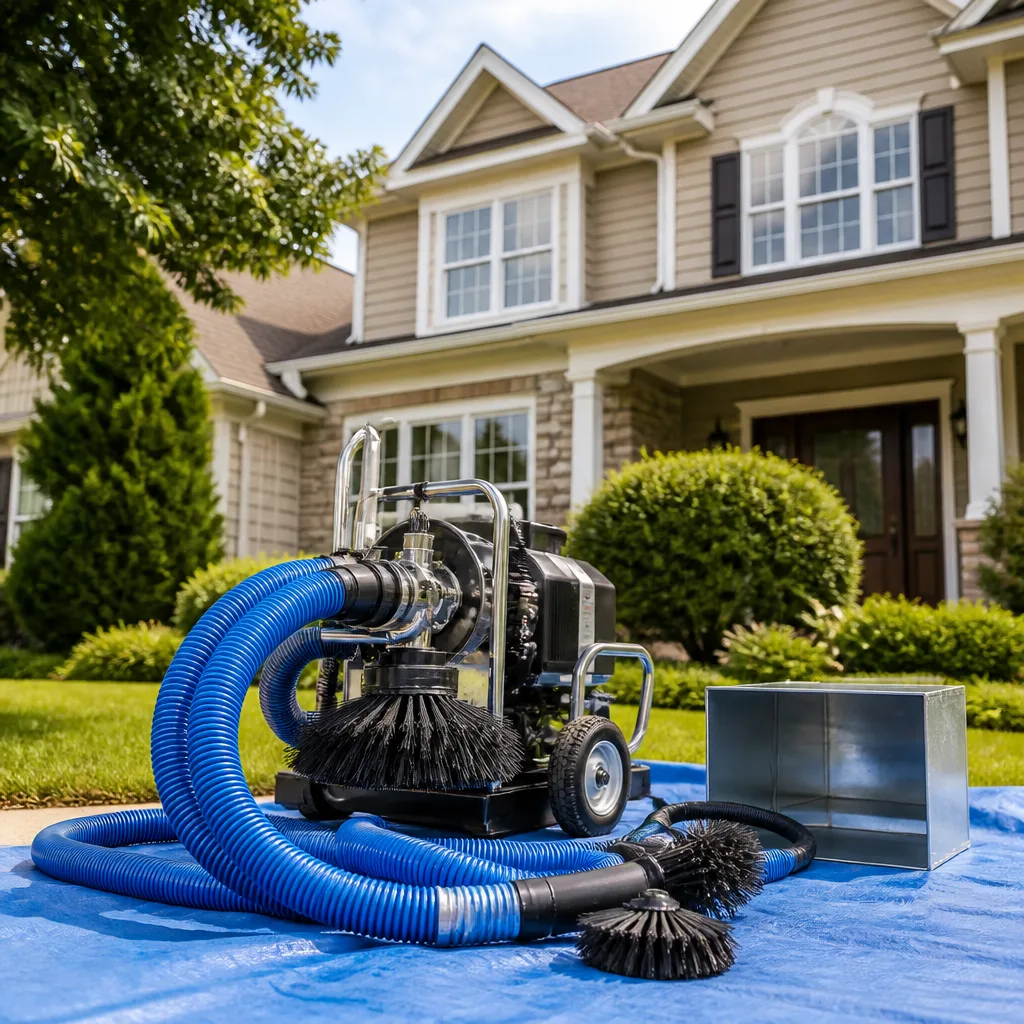 Whole-home duct cleaning
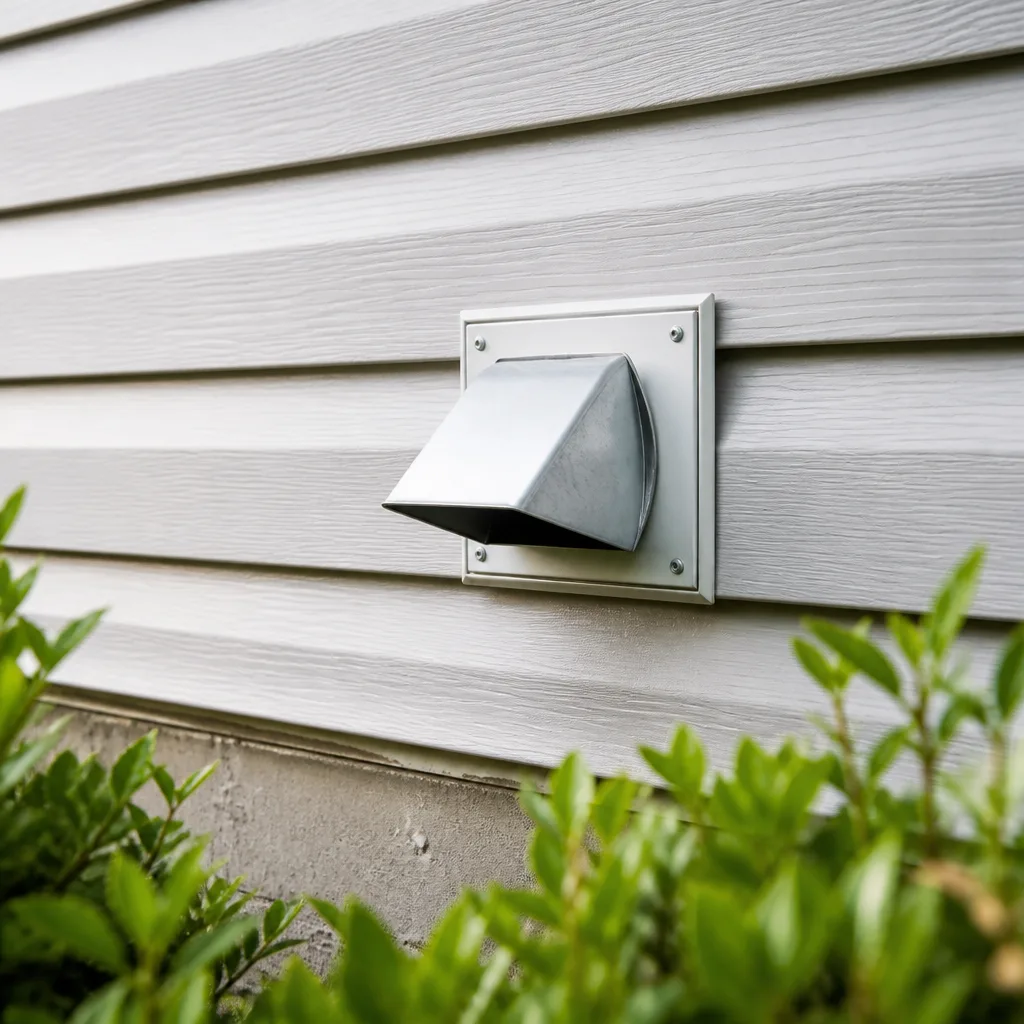 Dryer vent cleaning
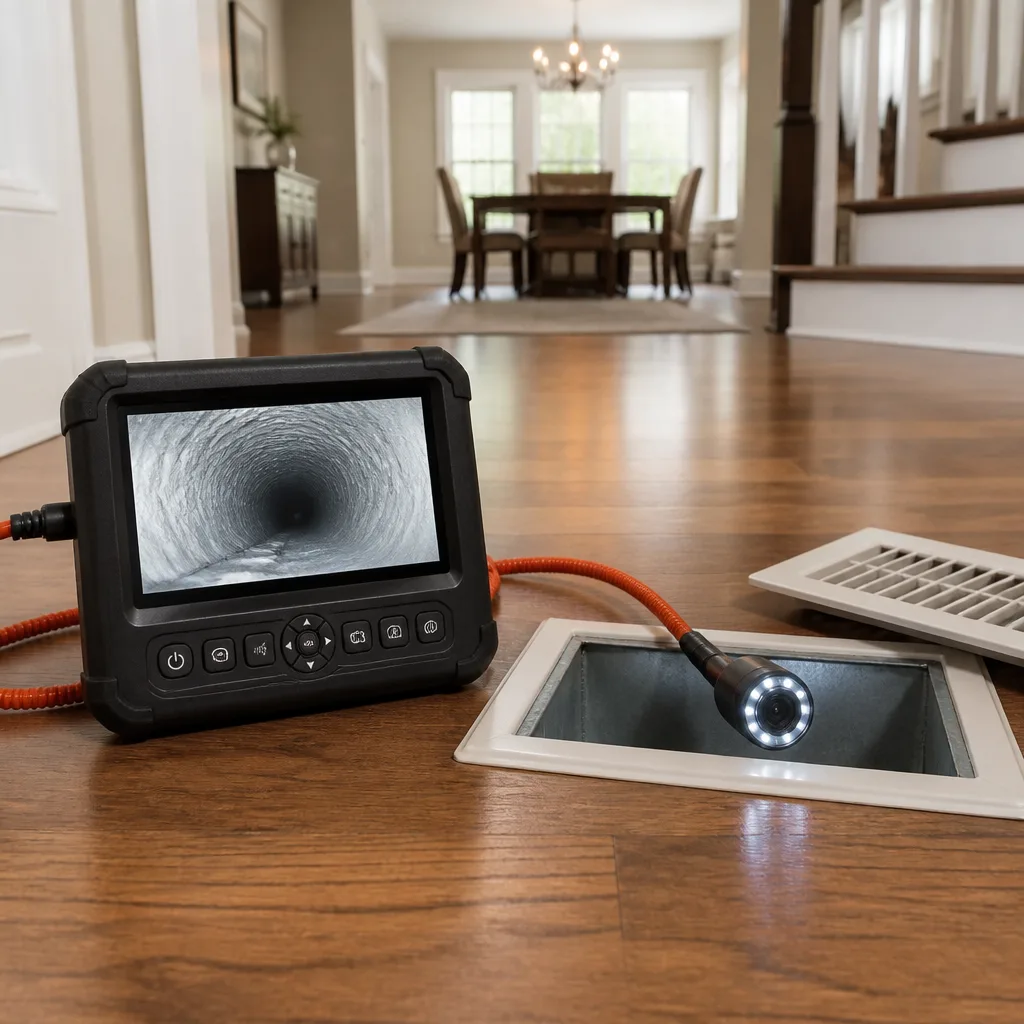 Camera inspection
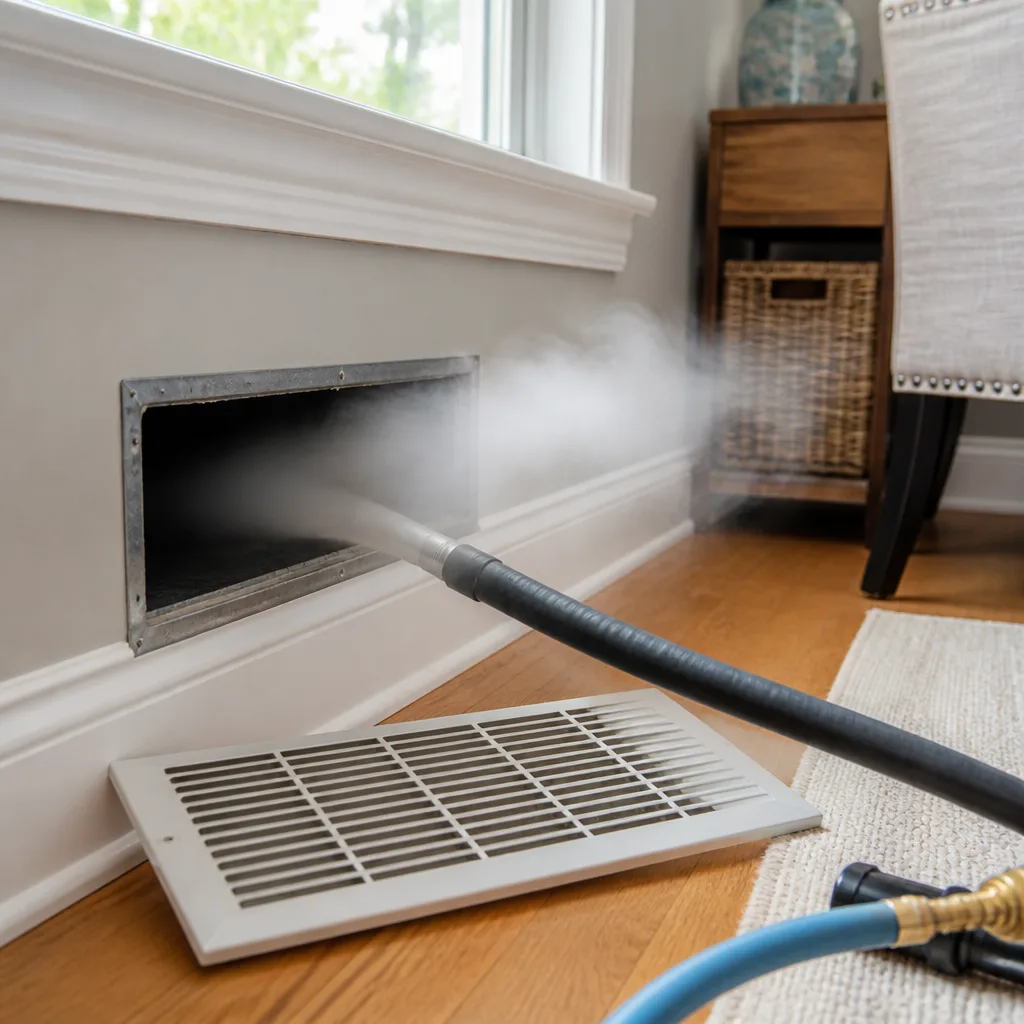 Sanitizing & deodorizing
Whole-system duct and dryer vent check with before-and-after photos - you see exactly what came out of your vents
That "$99 whole-house special" is a bait ad - the real number appears once they are in your hallway, or the "clean" is a shop-vac at the register. We photograph the inside of your ducts before and after instead.
Air Duct Cleaning Maintenance Schedule: What to Do and When
Ask five different HVAC companies how often your air ducts need cleaning and you’ll get five different answers. Most will tell you three to five years, as if every home in Vermont Vista accumulates dust at the same rate as every other home, which it plainly does not. The reality is that a single universal interval is the lazy answer. Your actual schedule should be driven by how many people and pets live under your roof, when your home was built, whether you’ve renovated recently, and how many wildfire smoke seasons your ductwork has absorbed. This guide replaces the brochure number with a variable-interval framework you can actually use, month by month, to know when professional air duct cleaning is genuinely due and when you’re simply being sold a service you don’t need yet.
Quick Answer
A useful duct maintenance schedule is not one fixed number. Homes in Vermont Vista with pets, allergy sufferers, recent renovations, or exposure to wildfire smoke cycles should schedule professional air duct cleaning every 18 to 24 months. Homes with none of those conditions can often go 36 to 60 months. Between cleanings, replace HVAC filters every 90 days, vacuum supply registers monthly, and inspect the condensate drain line each spring and fall.
Styles & brands we work with
- Whole-home duct cleaning
- Dryer vent cleaning
- Camera inspection
- Sanitizing & deodorizing
Table of Contents
- Why the Standard 3-5 Year Interval Fails in California
- The Variable-Interval Framework: What Actually Compresses Your Schedule
- Month-by-Month Homeowner Maintenance Tasks
- Using Filter Loading Rate as a Duct Debris Proxy
- The Post-Renovation Protocol: Drywall Dust and Duct Liner
- Sanitizing vs. Mechanical Cleaning: Different Services, Different Schedules
- Common Mistakes to Avoid
- When to Call a Professional
Why the Standard 3-5 Year Interval Fails in California
The three-to-five-year recommendation you see on most HVAC websites is inherited from national trade guidance written for homes in Ohio, Pennsylvania, and Michigan. Those homes experience long winters with furnaces running constantly, and their duct systems collect a predictable mix of skin cells, pet dander, and carpet fiber. Southern California homes are different. Our HVAC systems cycle differently, our windows are open more of the year, and our air carries fine particulate matter that behaves differently once it enters a duct system.
The 2020 through 2023 wildfire seasons changed what “normal” duct debris looks like in Vermont Vista. Fine smoke particles, the kind that measure under 2.5 microns, penetrate buildings even with windows closed. They settle into duct liner, the fibrous insulation material inside many metal ducts, and they do not come out with a standard vacuum pass. Homes that stuck to a five-year cleaning schedule through those seasons now have a layer of embedded particulate that most standard cleaning methods will not fully remove. That is not an exaggeration. It is what we see when we send a camera into a duct system that has not been mechanically agitated since 2019.
What this means practically is that your schedule cannot be set once and forgotten. It has to respond to what your home actually went through during the previous year.
The Variable-Interval Framework: What Actually Compresses Your Schedule
We use a simple baseline and trigger system when we help Vermont Vista homeowners figure out a realistic schedule. Start with the baseline interval for a home with minimal dust loads. Then apply compression factors based on what is actually happening inside the house.
Baseline interval: 36 to 60 months. This applies to homes with one or two adults, no pets, no smokers, no recent construction, and a well-maintained HVAC filter.
Compression triggers that shorten the interval to 18 to 24 months:
- One or more indoor pets. Dogs and cats shed dander and hair that accumulates in return ducts faster than most homeowners realize. Two shedding dogs can load a duct system in half the baseline time.
- Allergy or asthma in the household. If someone in the home reacts to airborne allergens, the threshold for cleaning is lower. You are not cleaning to protect the ducts. You are cleaning to reduce the particle load in the air that person breathes every night.
- Renovation or remodeling work. Any project that generated drywall dust, floor sanding debris, or demolition particulate means the ducts should be cleaned before the standard interval expires. More on this below.
- Wildfire smoke exposure. If your home was exposed to significant smoke for multiple days during any of the recent California fire seasons, and you have not had the ducts cleaned since, you are already past due.
- Smokers living in or visiting the home regularly. Tobacco smoke residue is sticky. It binds with other debris and coats duct surfaces in a way that dry dust does not.
- Carpeted floors throughout. Carpet sheds fiber and traps dust that eventually gets pulled into the return air stream. Homes with wall-to-wall carpet load ducts faster than homes with hard flooring.
The honest answer to “how often” is that you need to evaluate your own triggers once a year. If none of the compression factors apply, you can safely wait four or five years. If two or more apply, you likely need cleaning every 18 to 24 months. That is a real difference, and it is why anyone who gives you one number without asking about your household is not doing the job seriously.
For a deeper look at what is actually involved in a professional cleaning, see our guide to Rivermark Air Duct Cleaning services and what our equipment does differently.
Month-by-Month Homeowner Maintenance Tasks
Between professional cleanings, there is real work homeowners can do that extends the useful life of a clean duct system. These are not substitutes for mechanical cleaning. They are maintenance tasks that slow the accumulation of debris and keep the HVAC system running correctly.
Every month
- Vacuum supply registers and return grilles. Use a brush attachment on a standard household vacuum. This removes surface dust before it gets pulled deeper into the duct run. Do not push the vacuum hose into the duct itself; surface removal is the goal.
- Check return grilles for visible buildup. If you see a gray film forming on the grille fins, that same material is collecting inside the return duct behind it. Wipe grilles with a damp microfiber cloth and let them dry completely.
- Walk the house and confirm every register is open and unobstructed. Closed registers increase static pressure and push air through fewer paths, which accelerates dust deposition in the open runs. Furniture pushed over a floor register does the same thing.
Every three months
- Replace the HVAC filter. A standard 1-inch filter has a useful life of roughly 90 days in most Southern California homes. Homes with pets or high dust loads should check the filter at 60 days. A filter left in place too long stops filtering and starts restricting airflow, which changes pressures throughout the duct system.
- Inspect the filter housing. While the filter is out, look at the slot it slides into. If you see dust caked around the edges, the filter is bypassing air around its frame. That dust has been entering your duct system unfiltered.
Every spring and fall
- Inspect the condensate drain line. Locate the drain line near the indoor air handler. Look for standing water, algae growth, or a musty smell. A clogged condensate line raises humidity inside the air handler, and that moisture supports microbial growth that can then distribute through the duct system.
- Check exposed ductwork in attics and crawlspaces. Use a flashlight. Look for disconnected sections, visible gaps at joints, or drooping runs. Duct tape that is peeling or gray and brittle is a sign the seal has failed. A disconnected return duct means the system is pulling unfiltered air from the attic or crawlspace directly into your living space.
- Listen to the system. A whistling sound at registers can indicate a duct leak or a damper that has shifted. A rattling sound that appears only when the blower starts can mean debris has accumulated inside a duct run. Both are worth investigating before they become larger problems.
Our team performs dryer vent cleaning as a separate service, and the same seasonal logic applies there. We recommend checking the dryer vent exterior hood in spring and fall for lint buildup, which is a fire hazard that accumulates independently of your HVAC ducts.
Using Filter Loading Rate as a Duct Debris Proxy
There is a simple, free diagnostic tool in your home that tells you more about your duct condition than any brochure number: your HVAC filter. How quickly it loads gives you a proxy measurement for how much particulate is circulating in your air stream, and by extension how much debris is likely accumulating inside your ducts.
Here is how to read it.
Start with a fresh filter and note the date. Check it every two weeks. When the filter shows visible gray or brown discoloration across most of its surface, it is loaded. Record the number of days that took.
If a standard 1-inch filter loads in under 60 days, your home has a high airborne particulate load. Whatever is not being captured by the filter is entering the duct system or recirculating through the home. Homes that load filters this quickly should consider professional duct cleaning sooner than the baseline interval, regardless of how long it has been since the last cleaning.
If the filter loads between 60 and 90 days, your home is in the typical range. The baseline interval of 36 to 60 months is likely appropriate, assuming no compression triggers apply.
If the filter looks clean at 90 days, your home has a low particulate load. You can safely extend the interval toward the five-year end. But verify that the filter is actually filtering. A clean filter can also mean air is bypassing it entirely, which means the particulate load in your ducts may be higher than the filter suggests. This is why the filter housing inspection matters every time you change the filter.
Keep a simple log. A note on your phone works fine. “Filter changed: loaded in 52 days.” Over three filter cycles, that log gives you more useful scheduling data than any generic recommendation. We have used this same proxy method with homeowners in Vermont Vista to help them decide whether a cleaning was truly justified or whether they could safely wait. Most people are surprised by what their own filter tells them.
The Post-Renovation Protocol: Drywall Dust and Duct Liner
If there is one single condition that should override any standard duct cleaning interval, it is renovation. Specifically drywall dust. Here is why.
Drywall dust is not like household dust. It is fine enough to stay suspended in the air for long periods, and it is abrasive and alkaline. When it enters a duct system, it does not settle as a loose layer that a vacuum can lift off. It works its way into the fibrous surface of duct liner, the insulation material bonded to the inside of many sheet metal ducts. Once embedded, it resists removal by suction alone. It requires mechanical agitation, which is exactly what a professional-grade rotary brush system is designed to do.
The problem is that most homeowners renovate and never think about their ducts. They run the HVAC system during and after the project because the house is dusty and they want to filter the air. But the standard return air filter does not capture drywall dust effectively. The dust passes through or around the filter and lands in the duct system. Six months later, the renovation is done, the floors are clean, and every time the blower kicks on, the house gets a subtle dose of construction particulate. The homeowner wonders why the air feels stale or why their allergies got worse after the remodel.
The protocol is simple. If you renovate, schedule professional air duct cleaning after the project is fully complete and the major dust-generating work is finished. Do not clean mid-project with more demolition still ahead. Wait until the sanding is done, the flooring is in, and the job site is cleaned. Then clean the ducts. One cleaning after renovation removes the accumulated construction debris and resets your interval. Without it, that dust stays in the duct liner indefinitely, and no amount of filter changing removes it.
Vermont Vista has a significant inventory of older homes, and many have been remodeled at least once since they were built. If you bought a home that was renovated before you moved in, and you do not know whether the ducts were cleaned afterward, assume they were not. That assumption alone is a reason to schedule a professional cleaning and inspection sooner rather than later.
Sanitizing vs. Mechanical Cleaning: Different Services, Different Schedules
One of the most common sources of duct cleaning confusion is the conflation of two different services: mechanical cleaning and sanitizing. They are not the same thing. They do different jobs, and they operate on different schedules.
Mechanical cleaning is the physical removal of debris from the duct system. It involves agitation, typically with a rotary brush that makes contact with the duct walls, combined with negative-air equipment that keeps the debris under control and moves it out of the home. This is the baseline service. Its purpose is to remove accumulated dust, hair, dander, and construction debris. A mechanical cleaning does not necessarily include any chemical application.
Sanitizing is a different step, performed after mechanical cleaning, that applies an antimicrobial agent to interior duct surfaces. Its purpose is to address microbial growth, typically odor-causing bacteria or mold. Sanitizing is not something every home needs on every visit. It is indicated when there is evidence of microbial activity: a persistent musty smell from the registers, visible growth inside the ducts, or moisture-related issues like a condensate drain backup that went unaddressed.
The schedules differ. Mechanical cleaning follows the variable-interval framework described above. Sanitizing follows no fixed schedule at all. It should be performed when conditions call for it, not on a recurring calendar basis. A home with dry ducts, no moisture history, and no odor issues does not need sanitizing as part of a routine cleaning. A home that had a condensate line backup and a musty air handler smell likely does.
Watch for companies that bundle sanitizing into every cleaning as if it were mandatory. It is not. A professional-grade mechanical cleaning, performed with equipment like Nikro negative-air systems that keep debris contained, is a complete service on its own. Sanitizing is an additional step for specific conditions. Any company that cannot explain the difference between the two is not a company you want opening your ductwork. We carry Honeywell and Aprilaire filtration products for clients who want to improve air quality between cleanings, and we are direct about which situations actually benefit from those upgrades versus which do not.
Common Mistakes to Avoid
- Using a schedule set by someone who never looked at your home. A national chain that quotes you a five-year interval without asking about pets, renovation history, or allergy sufferers in the house is giving you a sales script, not a maintenance plan. Your schedule should be based on your home’s actual conditions.
- Running the HVAC system during renovation. Many homeowners think running the fan during a remodel helps clear the air. What it actually does is pull construction dust through the return and distribute it through the entire duct system. Seal off returns in the work area, run the system only when necessary, and clean the ducts after the project ends.
- Treating the filter as the only maintenance item. The filter is one component of a larger air distribution system. Register vacuuming, grille inspection, and condensate drain checks all matter. Skipping them means your next professional cleaning will be overdue sooner than it should be.
- Confusing per-vent cleaning offers with professional service. Some companies advertise low per-vent pricing that only covers a surface vacuum pass. That is not mechanical cleaning. It removes the visible dust from the first few feet of a run and leaves the rest untouched. One flat price per system, agreed before work starts, is the honest way to quote this service.
- Assuming a clean filter means clean ducts. The filter only captures what passes through it. Duct debris that is already embedded in liner or accumulated in low-flow sections does not pass through the filter. A clean filter tells you about the air stream, not about the duct surfaces.
- Delaying dryer vent cleaning because the HVAC ducts were done. Dryer vents are a separate system with separate risks. Lint buildup is a fire hazard, and it accumulates regardless of what is happening in your HVAC ducts. Treat dryer vent cleaning as a standalone safety service on its own schedule.
- Ignoring what your home went through during wildfire season. Smoke events leave behind particulate that standard intervals do not account for. If you lived through the 2020 through 2023 fire seasons in Southern California without a duct cleaning since, you are not on the old schedule anymore. You are overdue.
When to Call a Professional
Some situations are not resolvable with a better filter or a vacuumed register. If you see visible dust blowing from registers when the system turns on, that is not normal and not a filter issue. If rooms in your home have different airflow than they used to, or some registers barely move air while others blast, you may have disconnected or collapsed duct sections. If you smell something musty every time the HVAC runs, that odor is coming from inside the system and recirculating through the house. If you renovated within the last year and never cleaned the ducts, assume drywall dust is embedded in the system. None of these conditions improve on their own. Rivermark Air Duct Cleaning offers free estimates in Vermont Vista. Call (833) 620-6973. We answer 24/7. Fast dispatch from 7am to 7pm, Sunday through Friday.
See the difference
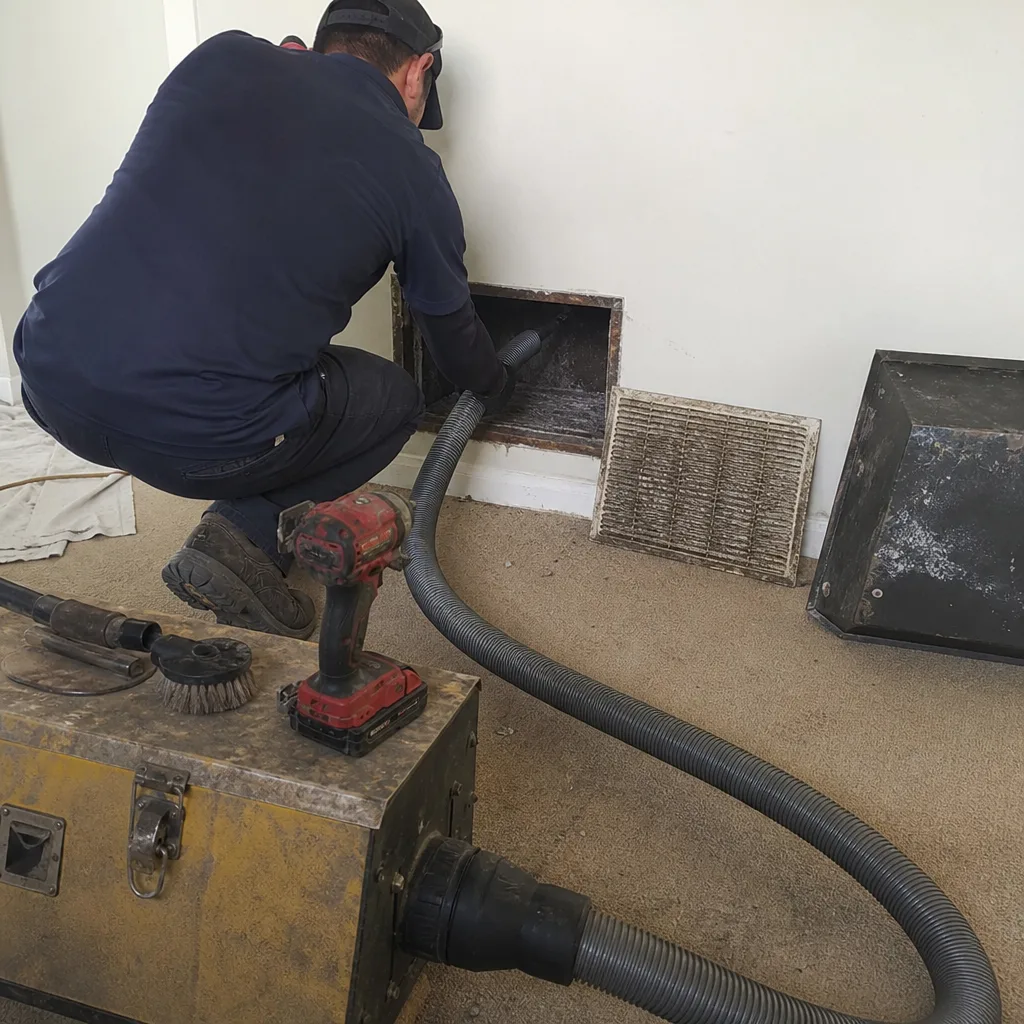 Before
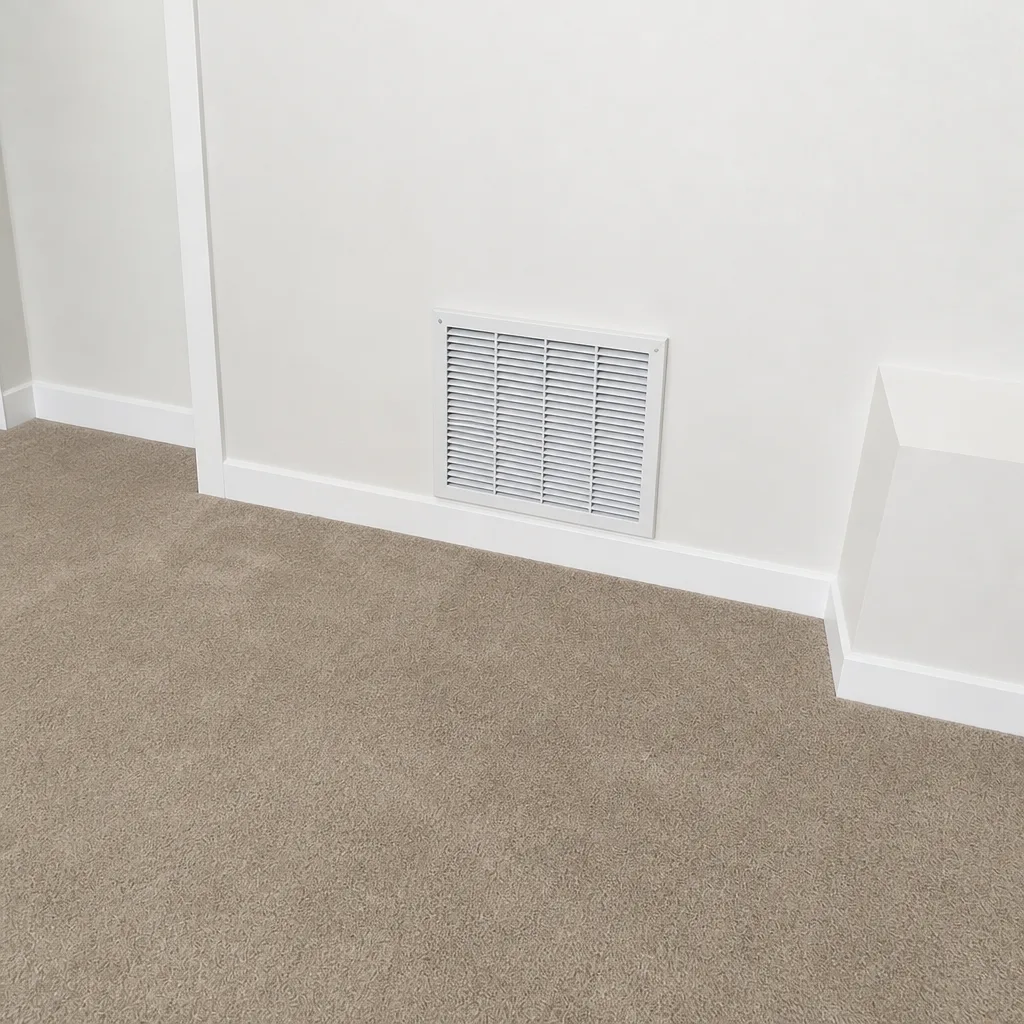 After
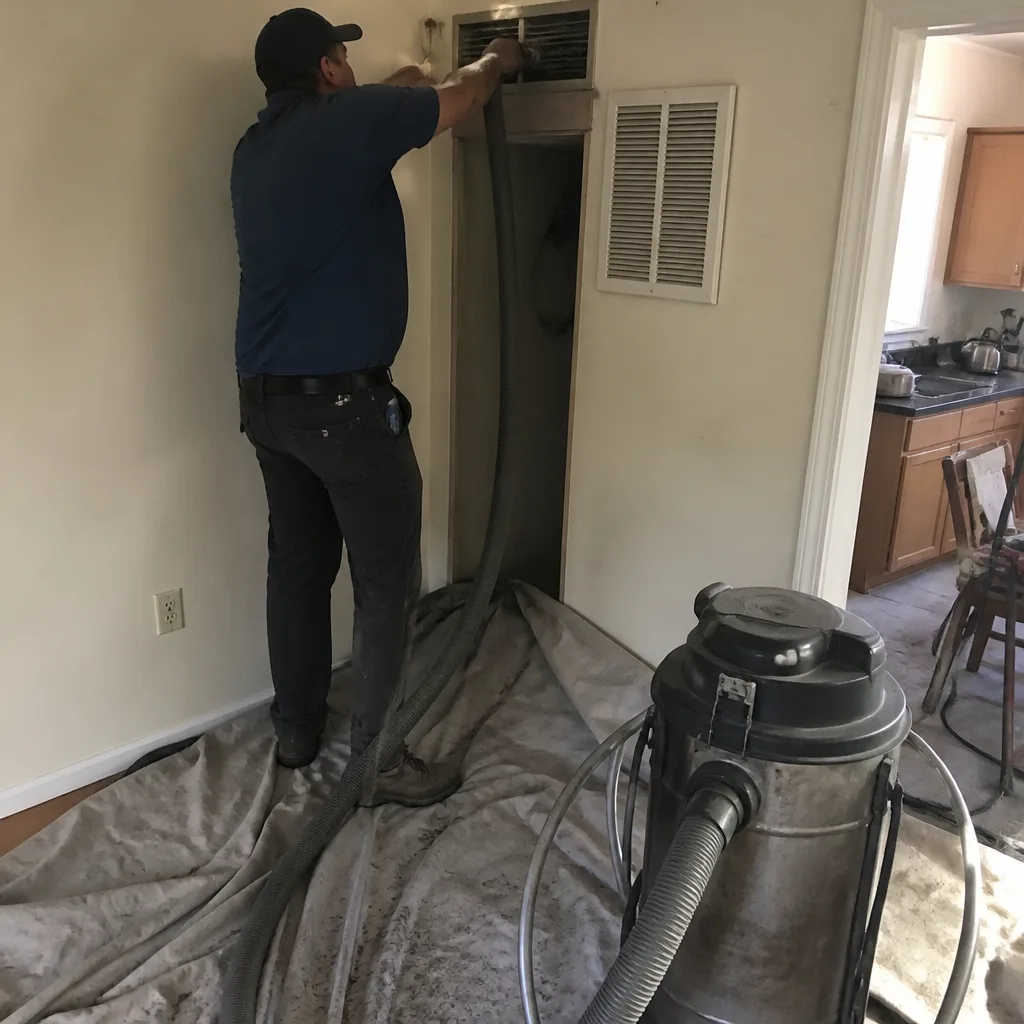 Before
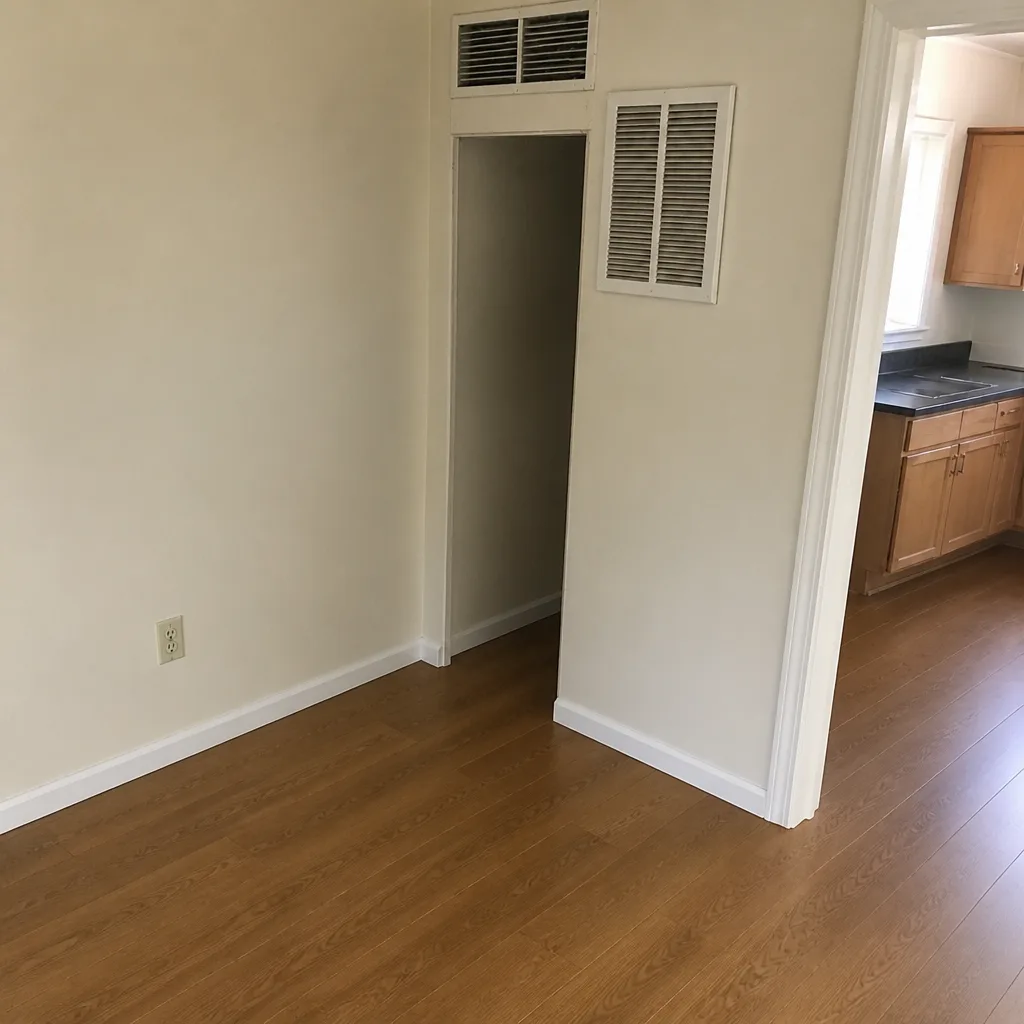 After
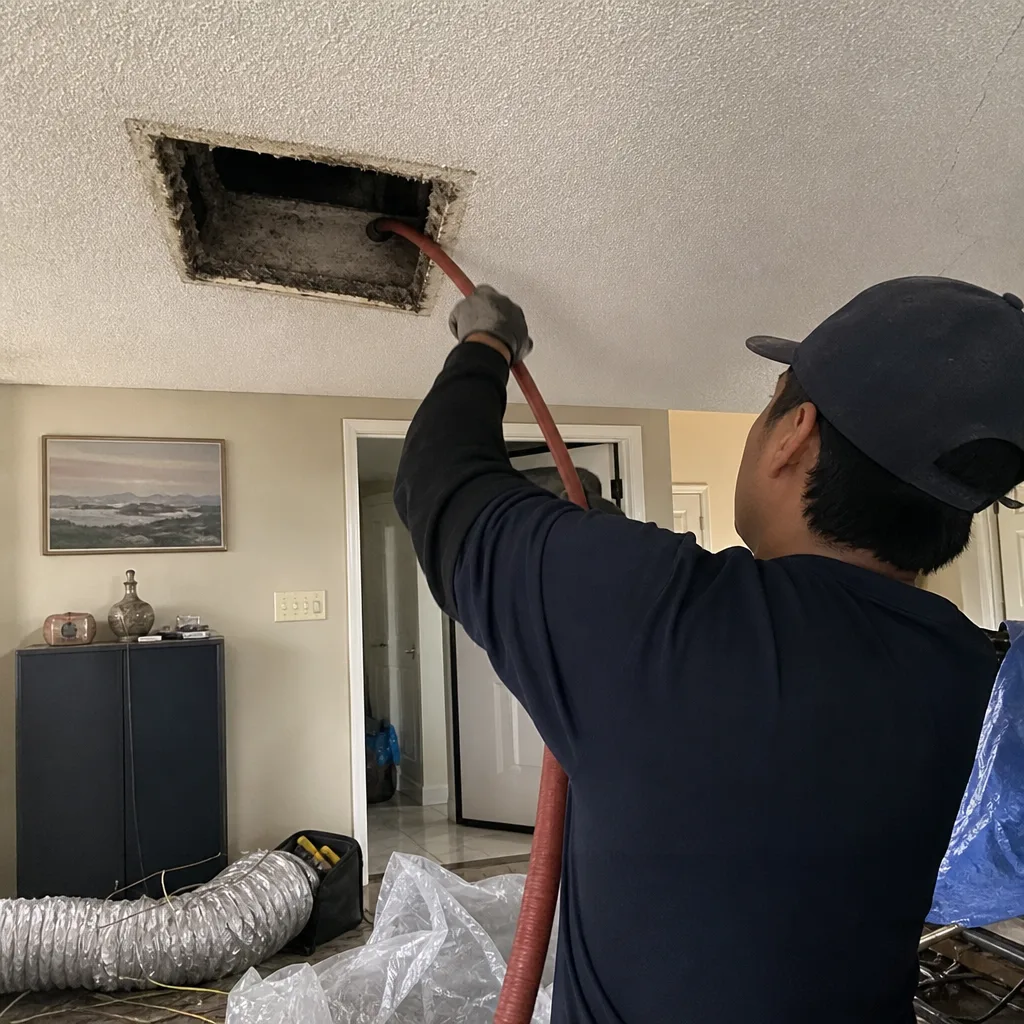 Before
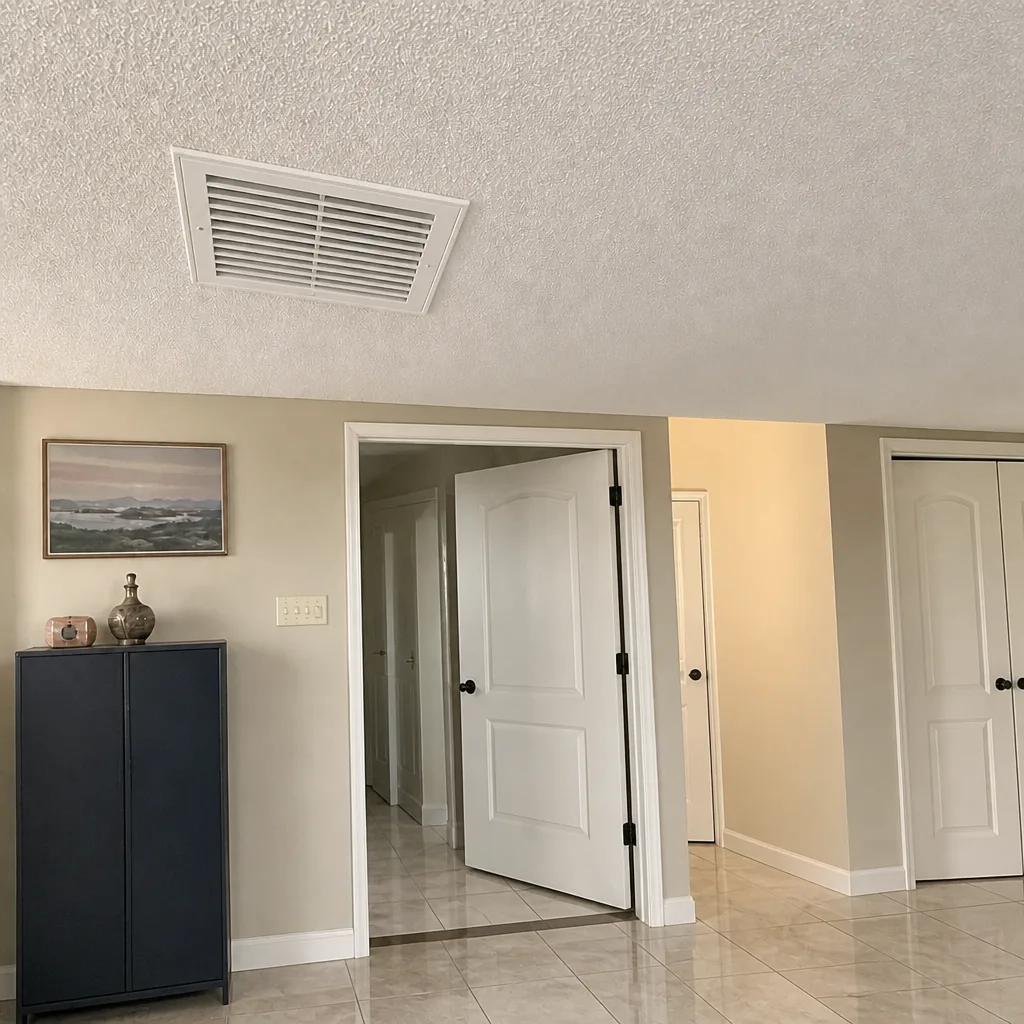 After
Frequently Asked Questions
In most California homes, air ducts should be cleaned every 36 to 60 months as a baseline. Homes with pets, allergy sufferers, recent renovations, or wildfire smoke exposure should compress that interval to 18 to 24 months. The state’s long dry season and wildfire cycles mean particulate loads fluctuate more than in other regions, so a fixed five-year number is rarely accurate. Call (833) 620-6973 for an assessment based on your home’s actual conditions.
Debris accumulates in layers inside the duct system. Hair, dander, and dust build up on duct walls and inside duct liner. The HVAC system continues to work, but it circulates air through that accumulated material, redistributing particulates throughout the home. Over time, airflow can be restricted in heavily loaded sections, and the system works harder to move the same volume of air. Duct cleaning does not prevent all of this forever, but it resets the system and removes material that simple filter changes cannot reach.
Several signs point to a needed cleaning: visible dust blowing from registers at startup, a lingering musty odor when the HVAC runs, unusually fast filter loading, rooms with noticeably different airflow, or a recent renovation that generated drywall dust. If you see or smell any of these, the ducts need professional attention. An inspection with a camera confirms what is actually inside before any cleaning takes place.
Mechanical duct cleaning removes accumulated dander, dust, and particulate from the air distribution system, which reduces the particle load that recirculates through the home every time the blower runs. For allergy sufferers, this can make a noticeable difference, particularly in homes with pets or older carpet. It is not a cure for allergies, and it does not replace regular filter changes or a good HEPA air purifier, but a clean duct system does not reintroduce the reservoir of allergens that a dirty one does. We work with Honeywell and Aprilaire filtration products for clients who need more than cleaning alone.
Air duct cleaning in Vermont Vista is typically quoted as one flat price per system, not per vent. The price depends on the size of the home, the number of HVAC systems, and the level of buildup. A written estimate sets the final price before any work begins. Call (833) 620-6973 for a free estimate. We answer 24/7. Fast dispatch from 7am to 7pm, Sunday through Friday.
Consumer vacuums and household tools cannot reach the interior surfaces of a full duct run, and they do not provide the negative-air containment that prevents debris from being stirred into the living space. A professional mechanical cleaning uses a rotary brush system for agitation and negative-air equipment for controlled extraction. The professional-grade equipment, including Rotobrush and Nikro systems, does something a shop vac cannot. Attempting a partial DIY cleaning usually leaves the majority of the debris in place.
The Bottom Line
Your air duct maintenance schedule is not a poster on a wall somewhere. It is a living thing that responds to what happens inside your home. Pets compress it. Renovations reset it. Wildfire seasons accelerate it. The filter in your HVAC unit gives you free data about how fast your home is loading its own air system, and you should use that data. Mechanical cleaning and sanitizing are different services with different schedules, and confusing them costs you money without improving your air. If you are in Vermont Vista and you are not sure where your ducts stand, get an inspection with a camera. You will know exactly what you are dealing with, and then you can make a schedule based on facts instead of a brochure.
Written by the team at Rivermark Air Duct Cleaning, serving Vermont Vista since 2014.