
Last updated November 4, 2026
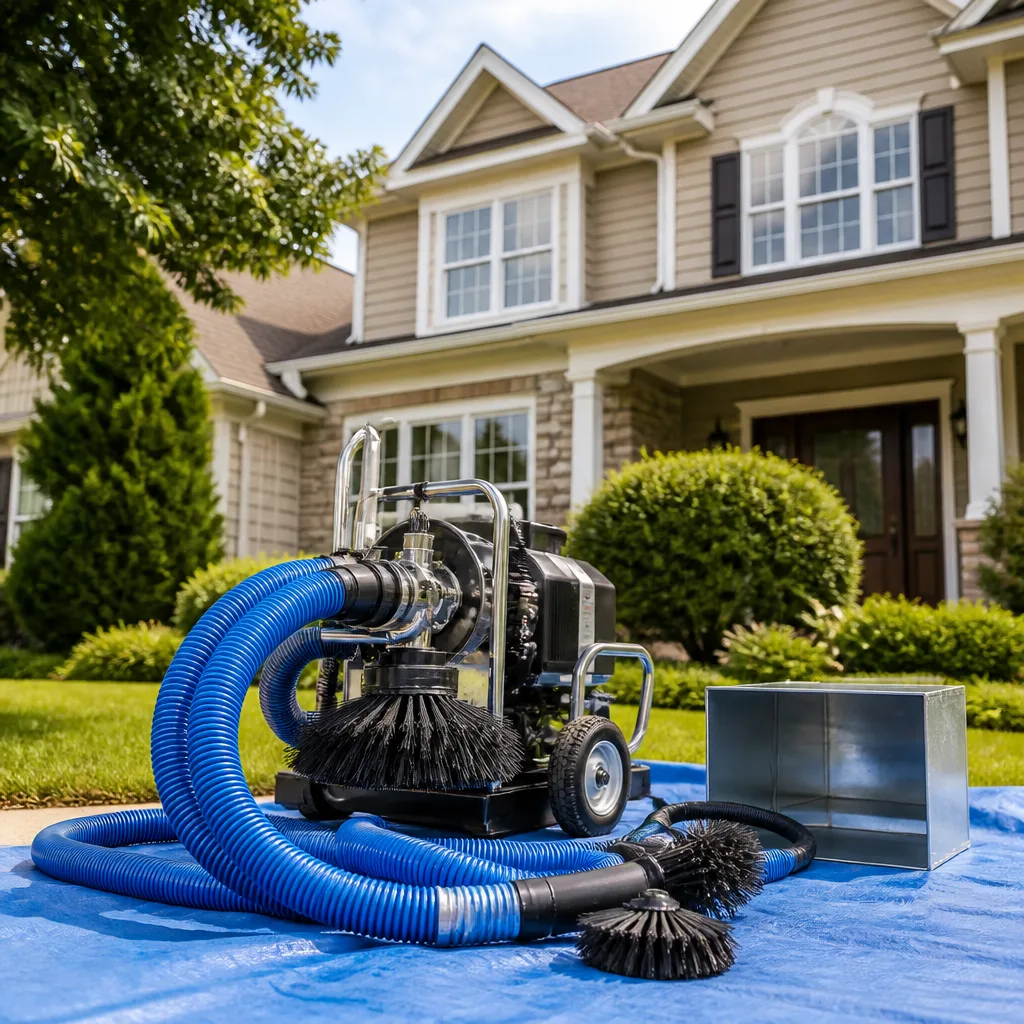 Whole-home duct cleaning
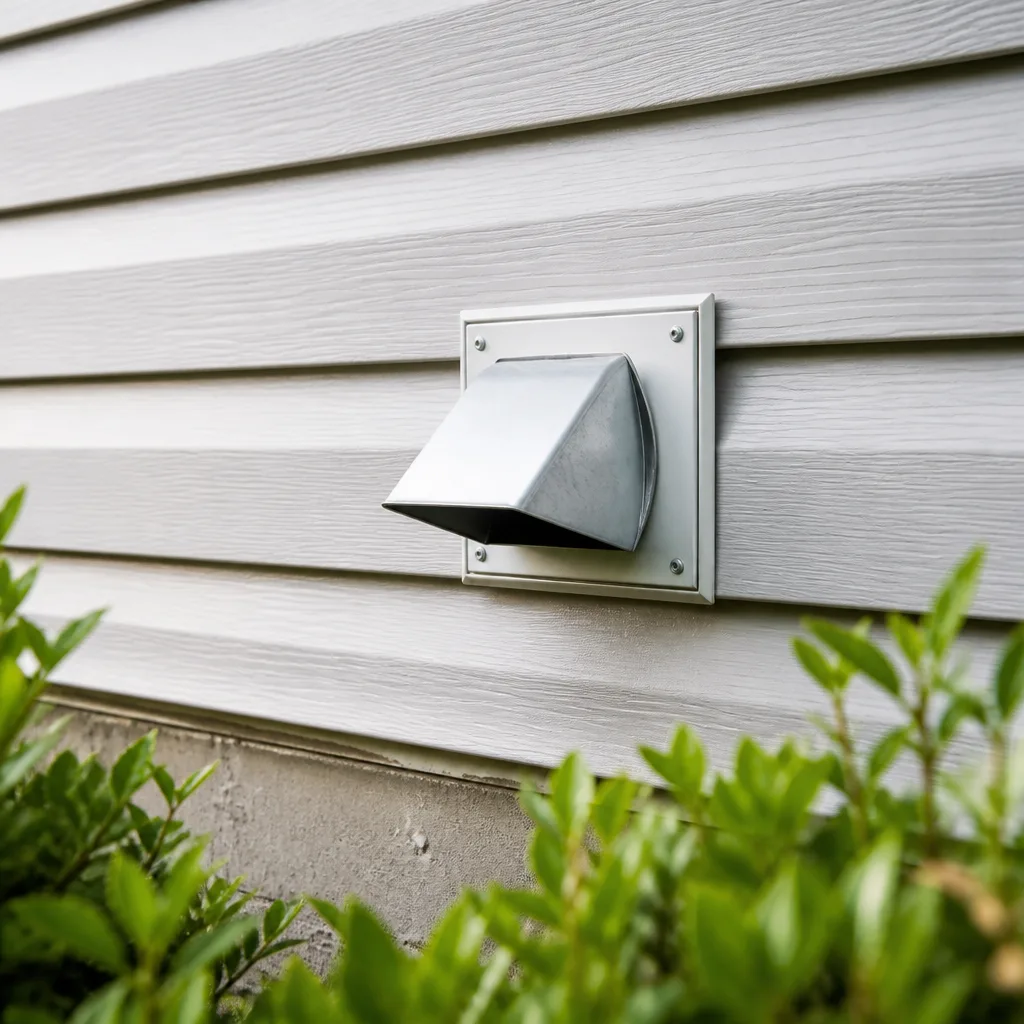 Dryer vent cleaning
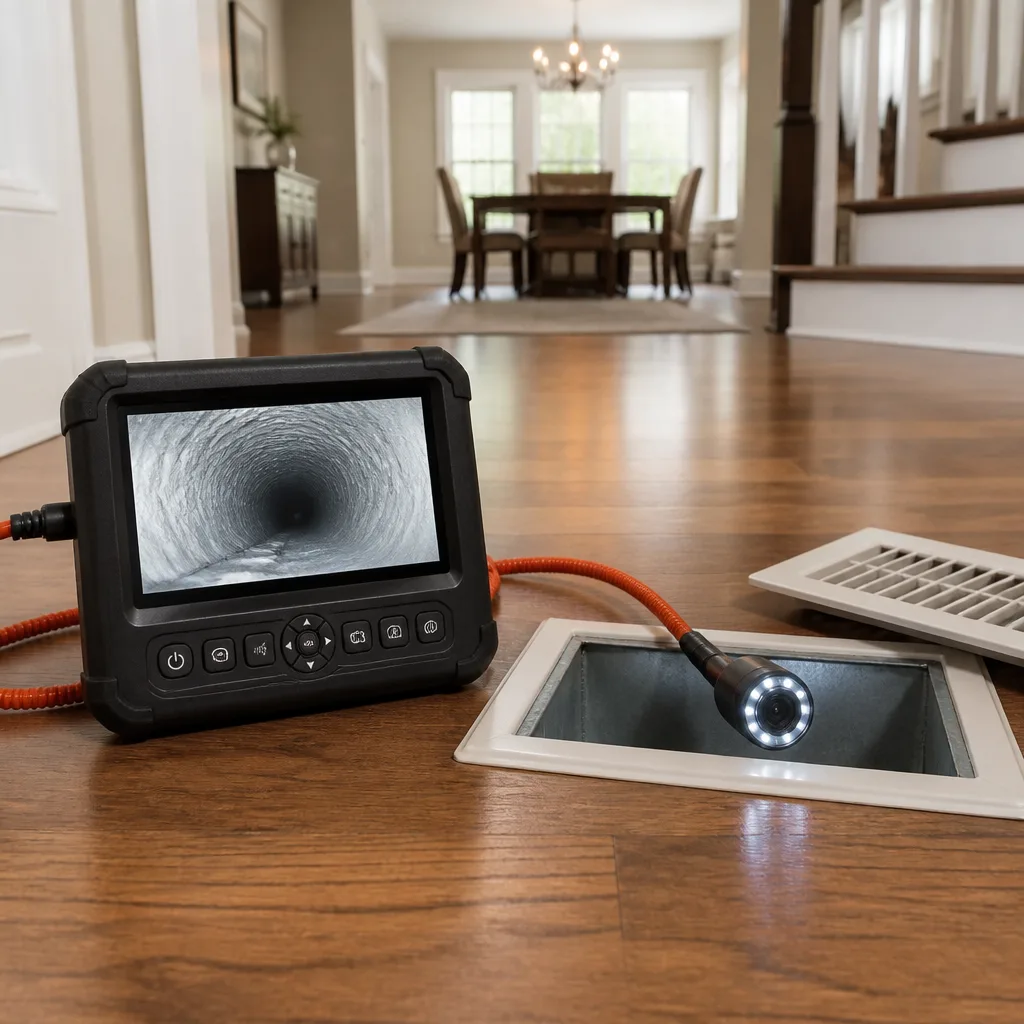 Camera inspection
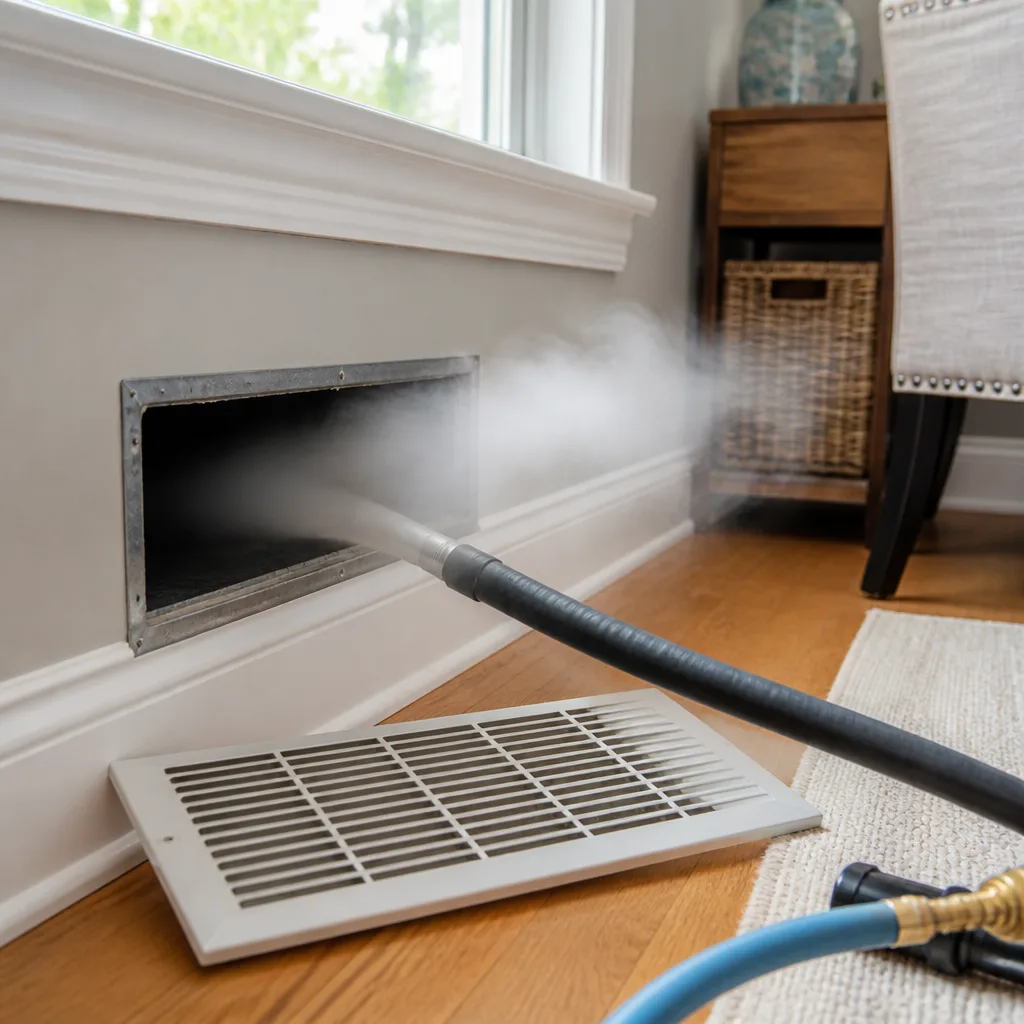 Sanitizing & deodorizing
Whole-system duct and dryer vent check with before-and-after photos - you see exactly what came out of your vents
That "$99 whole-house special" is a bait ad - the real number appears once they are in your hallway, or the "clean" is a shop-vac at the register. We photograph the inside of your ducts before and after instead.
Air Duct Cleaning Maintenance Checklist for Vermont Vista Homeowners
Changing your air filter every 90 days while your return duct is coated in drywall dust from a 2022 renovation is like mopping around a broken pipe. Most maintenance checklists skip the structural context that makes routine care actually work. A real checklist has to tell you what to look at, when to look, what the debris actually means, and which findings mean stop watching and call someone with professional-grade equipment. This guide gives Vermont Vista homeowners a working framework for monitoring duct condition between professional visits, so you always know whether your system is genuinely clean or just quietly recirculating whatever settled inside it.
Quick Answer
A duct maintenance checklist for Vermont Vista homes should include monthly visual checks of supply registers for dust accumulation, quarterly return grille inspections, filter replacement every 60 to 90 days depending on household conditions, and an annual professional assessment of duct integrity and airflow. The most overlooked items are inspecting the return side for drywall or renovation dust, checking for disconnected duct sections in accessible attic or crawlspace runs, and documenting what you find so you can compare condition year over year.
Styles & brands we work with
- Whole-home duct cleaning
- Dryer vent cleaning
- Camera inspection
- Sanitizing & deodorizing
Table of Contents
- Why Standard Checklists Fail in Vermont Vista
- Monthly Inspection Tasks
- Quarterly Deep Checks
- Annual Professional Assessment
- Reading Debris: What Colors and Textures Actually Mean
- Filter Selection That Accounts for Duct Condition
- Red Flags That Escalate Beyond the Checklist
- Documenting Duct Condition Over Time
Why Standard Checklists Fail in Vermont Vista
Vermont Vista sits in a climate pattern where the air itself changes character through the year. Santa Ana winds push fine particulate through window seals and door gaps from late fall into winter. Summer heat keeps HVAC systems running at sustained peak load for weeks at a time. Fire season, even when distant, introduces ash particles that behave differently in ductwork than ordinary household dust. A generic checklist written for a humid coastal city or a cold northern climate does not address what actually accumulates in ducts here.
The bigger issue is that most checklists treat ductwork as a sealed black box. You change a filter and hope for the best. But ducts in older Vermont Vista homes, especially those built before the mid-1990s, often have duct tape that has dried and separated at joints, small disconnections that pull air from unconditioned spaces, and return paths that were never correctly sized when the original system was installed. A checklist that ignores duct condition treats symptoms while the structural cause gets worse.
We recommend thinking of maintenance in three layers: the routine homeowner tasks you can do monthly and quarterly, the annual professional assessment that requires training and equipment to do properly, and the photographic documentation that tells you whether conditions are stable or degrading. Each layer answers a different question. The monthly tasks answer, “Is something new appearing?” The quarterly tasks answer, “Is the system behaving normally?” The annual assessment answers, “Is the ductwork itself still sound?”
Monthly Inspection Tasks
These tasks take about fifteen minutes total and catch problems before they become expensive. Do them on the same day each month so the rhythm sticks.
- Check supply registers for dust patterns. Walk through each room and look at the directional fins on the supply registers. A thin, even coating of light gray dust is normal after a month. But if you see dust building up in streaks or thick patches on one side of the register while others stay clean, that register may be on a duct run with a partial blockage or leak pulling in unfiltered air.
- Look for visible dust on the wall or ceiling around registers. Dust streaking on the wall above or around a supply register is a classic sign of air escaping around the register boot instead of flowing through the grille. This is a duct sealing issue, not a cleaning issue, and it will not resolve by changing filters.
- Check the main return grille for buildup. The return side is where the system breathes in. If the return grille has a visible coating of fuzz, pet hair, or lint, the filter is doing heavy work and may be loading faster than its replacement schedule assumes.
- Listen for new sounds. A whistle that was not there before often means a new leak or a closed damper creating pressure. A rhythmic thump can mean a loose duct section moving with air pressure changes. Ductwork should be quiet in normal operation.
- Check the thermostat runtime pattern. If your system is running noticeably longer to hit the same setpoint, the airflow may be restricted. That restriction often lives in the ducts, not the equipment.
In Vermont Vista, the months when Santa Ana winds are most active, typically October through January, will produce dust faster than any other season. If you notice a sudden jump in register dust during those months, that is normal external particulate working its way through the envelope of the home, not necessarily a duct problem. But it does mean your filters are loading faster and may need more frequent replacement during that stretch.
Quarterly Deep Checks
Every three months, which conveniently aligns with the typical 90-day filter cycle, spend thirty to forty minutes on a deeper inspection. These are the tasks that reveal the slow, progressive issues.
Inspect Return Grilles Behind Filters
Remove the return grille and look at the space behind it. You are looking for three things: dust deposits on the inside surfaces of the return plenum, visible construction debris like drywall chunks or wood slivers, and any gap between the return duct and the wall or floor opening. In our experience with air duct cleaning, homes that have been through any renovation work, even cosmetic work done two or three years ago, frequently show a layer of fine drywall dust packed into the return side that a standard filter change never addresses. That dust keeps circulating through the blower and back into living spaces until the ducts are professionally cleaned.
Check Accessible Duct Runs
If you have ductwork visible in a garage, attic scuttle, or crawlspace access, take a flashlight and look at the connections. Flex duct should be supported every four to five feet and should not sag more than a few inches between supports. Rigid duct sections should be sealed at joints with mastic or foil tape, not gray cloth duct tape, which dries out and fails. In summer, attic temperatures in Vermont Vista climb well past the point where adhesives degrade quickly, so checking annually for separation is a real task, not a formality.
Compare Room Temperatures
Walk through the house on a warm afternoon and note whether any room feels consistently warmer than the rest. A single room that stays stuffy or warm often points to a disconnected or crushed duct branch serving that room, not a problem with the HVAC unit itself. Temperature differences of more than two or three degrees between rooms on the same system are worth investigating.
Annual Professional Assessment
Some conditions cannot be evaluated from outside the ductwork. The annual professional visit is where the system gets truly assessed, not just superficially checked. A qualified contractor should inspect the full duct run, clean or recommend cleaning where buildup warrants it, and identify leaks, disconnections, or deteriorated sections.
We use Rotobrush rotary brush systems for mechanical agitation of the duct walls, paired with Nikro negative-air equipment that keeps the debris contained during extraction. This is the same approach commercial HVAC contractors use, and it matters because simple suction alone does not break loose the adhered dust and debris that accumulates over years. The brush does the work of dislodging; the negative air keeps it from entering your living space while the job is done.
An annual assessment should also include a look at the equipment connections. Many homes in Vermont Vista have furnaces or air handlers installed in closets, garages, or attics where the return connection collects dust and construction debris over time. If your unit sits on a platform with a return cut into the side, that transition area is a common leak point that pulls in whatever is in the surrounding space. We check those connections visually and with airflow testing where indicated.
If you have recently renovated, moved into a new build, or have not had the ducts looked at in years, the annual assessment is also the right time to discuss whether cleaning is warranted. A home that has never had its ducts cleaned and has occupied carpets, pets, and years of filter changes behind it is a strong candidate. A home with newer ducts, good filtration, and no renovation history may go several years before cleaning is actually needed.
Reading Debris: What Colors and Textures Actually Mean
The debris you see on a register or inside a return tells you where it came from, and the source matters more than the amount. Here is what we typically see in Vermont Vista homes and what each type indicates.
- Light gray, fluffy dust. Standard household dust composed of skin cells, fabric fibers, and paper particles. Expected everywhere. It indicates normal occupancy and normal filter operation. Not alarming on its own.
- Fine white or pale gray powder, heavier than dust. Drywall dust from renovation, sanding, or original construction. It is extremely fine, roughly ten times finer than typical household dust, and it passes through standard fiberglass filters almost completely. If you see this, especially on the return side, have the ducts evaluated. It can pack into blower wheels and reduce system airflow measurably.
- Dark, sooty or greasy residue. In homes near high-traffic corridors or industrial zones in South Los Angeles, this often comes from vehicle exhaust particulate working into the house. It can also indicate candles burned frequently, which deposit carbon soot that sticks to duct surfaces. It does not brush off easily and usually requires mechanical cleaning.
- Yellowish or brownish granular material. Often insulation particles from degrading duct liner or from attic insulation pulled through a return leak. If you see this, you likely have a structural duct issue, not a cleanliness issue. The source needs to be found and sealed.
- Pet hair and lint clumps. Concentrates at return grilles and filter faces. Normal in homes with pets, but heavy accumulation in ducts themselves suggests the filter is not capturing what it should, either due to poor fit, bypass around the filter frame, or filter loading beyond its capacity.
- Small leaves, pine needles, or coarse outdoor debris. Indicates an open connection to the outside, commonly at a disconnected flex run in the attic or crawlspace. This is a structural repair issue and should be addressed by a professional, because that opening is pulling unconditioned outdoor air directly into the system.
None of this requires special lab testing to read. A visual inspection with a flashlight and a little attention to color and texture tells you what is moving through your ducts and whether the system is functioning as a clean air delivery path or leaking somewhere along the way.
Filter Selection That Accounts for Duct Condition
Filter advice usually starts and ends with MERV ratings. Higher MERV catches more particles, so buy the highest MERV your system can handle, the argument goes. But that advice ignores the condition of the ductwork the filter is protecting and the airflow capacity of the system.
A high-efficiency filter creates additional resistance. On a system with tight, well-sealed ducts and a properly sized blower, that resistance is manageable. On a system with leaking return ducts, undersized returns, or partially collapsed flex runs, adding a high-MERV filter can push the system past its static pressure limits. The blower works harder, airflow drops, and cooling performance suffers. In a Vermont Vista summer, that means rooms that never quite cool and a system that runs endlessly while energy use climbs.
We recommend choosing filter efficiency based on two things: your household sensitivities and your duct condition. If you have allergy sufferers in the house and the ducts are in good shape, a MERV 11 or MERV 13 filter is reasonable. If your ducts have not been assessed in years, start with a basic MERV 8 filter and have the ductwork evaluated before upgrading. Better filtration on top of leaking ductwork is wasted money, because the air bypassing the filter is coming in downstream through the leaks.
For households that want filtration beyond what a standard filter slot can provide, we work with Honeywell and Aprilaire products, including media cabinets and whole-house filtration systems. These are installed at the equipment and sized to the system, so they deliver the filtration benefit without starving the blower for air. This is a meaningful upgrade for Vermont Vista homes dealing with fire season particulates or persistent allergy triggers, and it is something we can discuss during a normal service visit.
As for dryer vent cleaning, it occupies a separate but related lane. Dryer lint has nothing to do with your HVAC filter, but it accumulates in the same unseen spaces and carries the same fire-safety weight. We treat dryer vent cleaning as a dedicated service because the consequences of neglecting it are far more immediate than dusty supply registers.
Red Flags That Escalate Beyond the Checklist
Some findings on a maintenance checklist are not maintenance items at all. They are service calls. Know the difference.
- Visible mold-like growth inside duct openings or on register surfaces. This is not something to wipe down and move past. It needs professional evaluation to determine the extent, the moisture source, and the remediation path. Cleaning alone without fixing the moisture problem will not hold.
- Rodent activity or droppings in ductwork or the return cavity. This requires removal, sanitation, and sealing of the entry points. It is beyond a routine cleaning scope and should be addressed promptly.
- Disconnected duct sections visible in attic or crawlspace. The system is blowing conditioned air into unconditioned spaces. Sealing that requires access, material selection, and proper re-support. This is a repair task.
- Persistent musty smell when the system runs. Often indicates moisture in the ducts, a clogged condensate drain, or microbial growth on the coil. The smell is a symptom; the professional’s job is finding the source.
- Sudden increase in dust on horizontal surfaces throughout the house within weeks of cleaning. This often means a filter is improperly seated, a return path has opened up, or a duct run has separated downstream of the filter. Something changed, and it will not fix itself.
- Rooms that have never heated or cooled correctly since the system was installed. This is frequently a duct design or sizing problem, not an equipment problem. It deserves a professional duct assessment, including airflow measurements, before anyone replaces equipment.
These are the moments where a checklist has done its job by telling you to stop checking boxes and start making calls. If the ductwork is damaged, disconnected, or contaminated, Rivermark Air Duct Cleaning can assess the situation and provide a written estimate. We carry the equipment and capability to repair ducts, not just clean them, so a finding during inspection does not mean a second contractor and a second visit.
Documenting Duct Condition Over Time
The most useful maintenance habit most homeowners skip is taking photos. A duct system looks like nothing changes for years, but slow changes are exactly the ones you need to catch. Without documentation, you are relying on memory, and memory is unreliable for things you glance at twice a year.
Build a Simple Record
- Photograph the main return grille and the filter face every time you change the filter. Date the photo or file it by month. Over a year, these photos show you how quickly your filter loads, whether it loads unevenly, and whether anything unusual appears.
- Photograph accessible duct sections in the attic or crawlspace once a year. The same angles every time. You are looking for sagging, new gaps at connections, or signs of pest activity. Comparing year over year tells you whether conditions are stable.
- Photograph any register with unusual buildup before you wipe it clean. The photo is your evidence of what accumulated and over what period. It also helps a professional understand what is happening in the system, because patterns at registers reflect conditions deeper in the ducts.
- Keep a simple log of service dates, filter changes, and notable observations. A notes app or a sheet taped inside a cabinet door works. Ten minutes a year of documentation saves hundreds of dollars in unnecessary diagnostic work later.
When you call a professional, this documentation gives them a head start. We can see what your filters looked like in March versus September, which tells us how much particulate is loading the system and where it is likely concentrating. That is far more useful than “we think the ducts are dirty.”
Common Mistakes to Avoid
- Replacing the filter without looking at what captured it. The filter face tells you what is moving through the air. A filter caked unevenly on one side, streaked with pet hair, or loaded with drywall powder is a diagnostic message. Tossing it without reading it throws away the single most useful maintenance signal you get for free.
- Sealing the return grille closed to reduce dust in a room. Closing returns starves the system for air and pulls harder on leaks elsewhere. The dust is not coming from the return vent; it is coming from somewhere else and being drawn through the room. Fix the source, do not choke the system.
- Putting dryer sheets or fabric softener sheets behind supply registers for scent. They add fibers to the airstream, restrict airflow, and do nothing for air quality. If you want a different smell in the house, address the source of the odor, not the path of the air.
- Using flex duct as a permanent fix for a disconnected section. We see this often in older Vermont Vista homes where someone repaired a separated rigid duct with a scrap of flex and some tape. It leaks, sags, and creates a new restriction. Proper repair means proper connection and sealing.
- Running the fan continuously to improve air circulation without understanding the static pressure on the system. Continuous fan operation is fine for many systems, but on an older blower with undersized ducts it can pull more air through leaks and load filters faster. A professional can tell you whether continuous fan is right for your system.
- Assuming a new HVAC unit means clean ducts. Contractors replacing equipment do not automatically clean existing ductwork. Many new systems are installed onto ducts that still carry years of accumulated dust from the previous system, and in Vermont Vista, some of that accumulation dates back to the original construction of the home.
See the difference
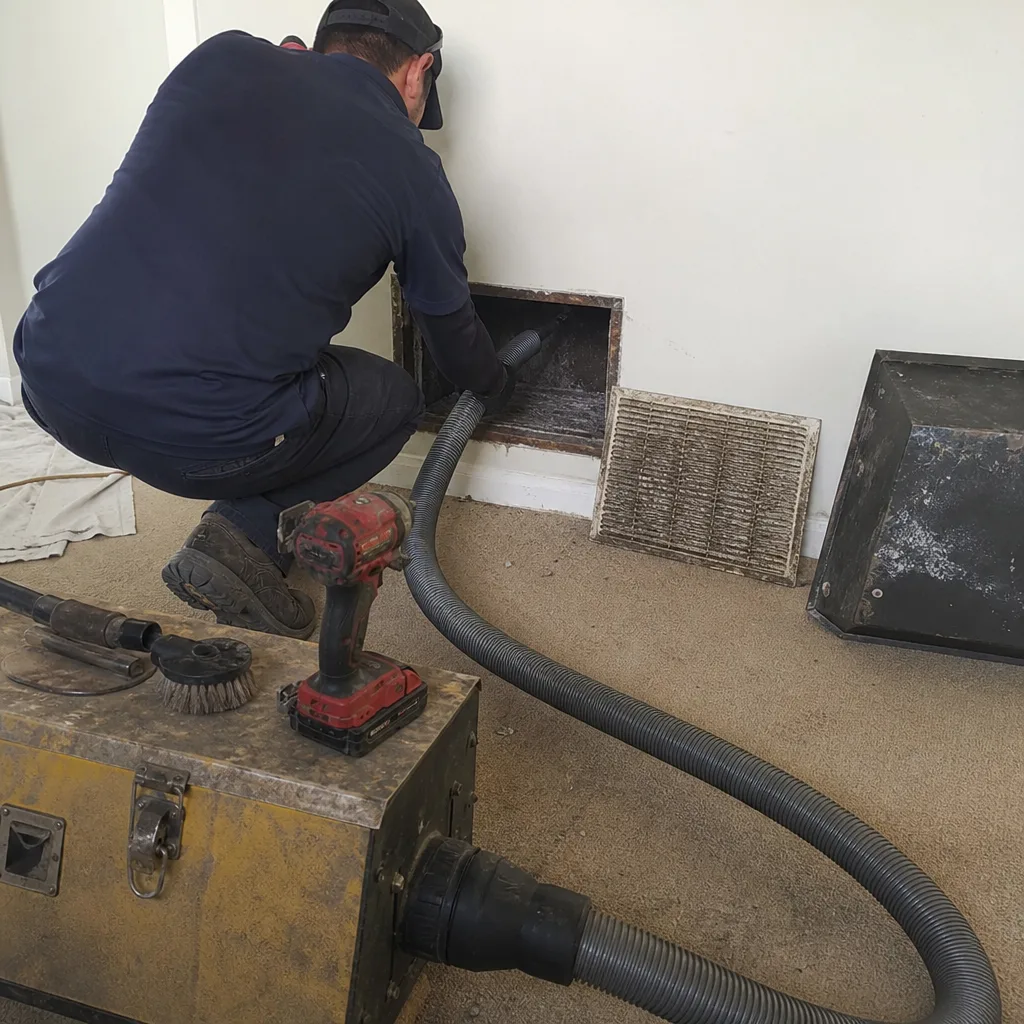 Before
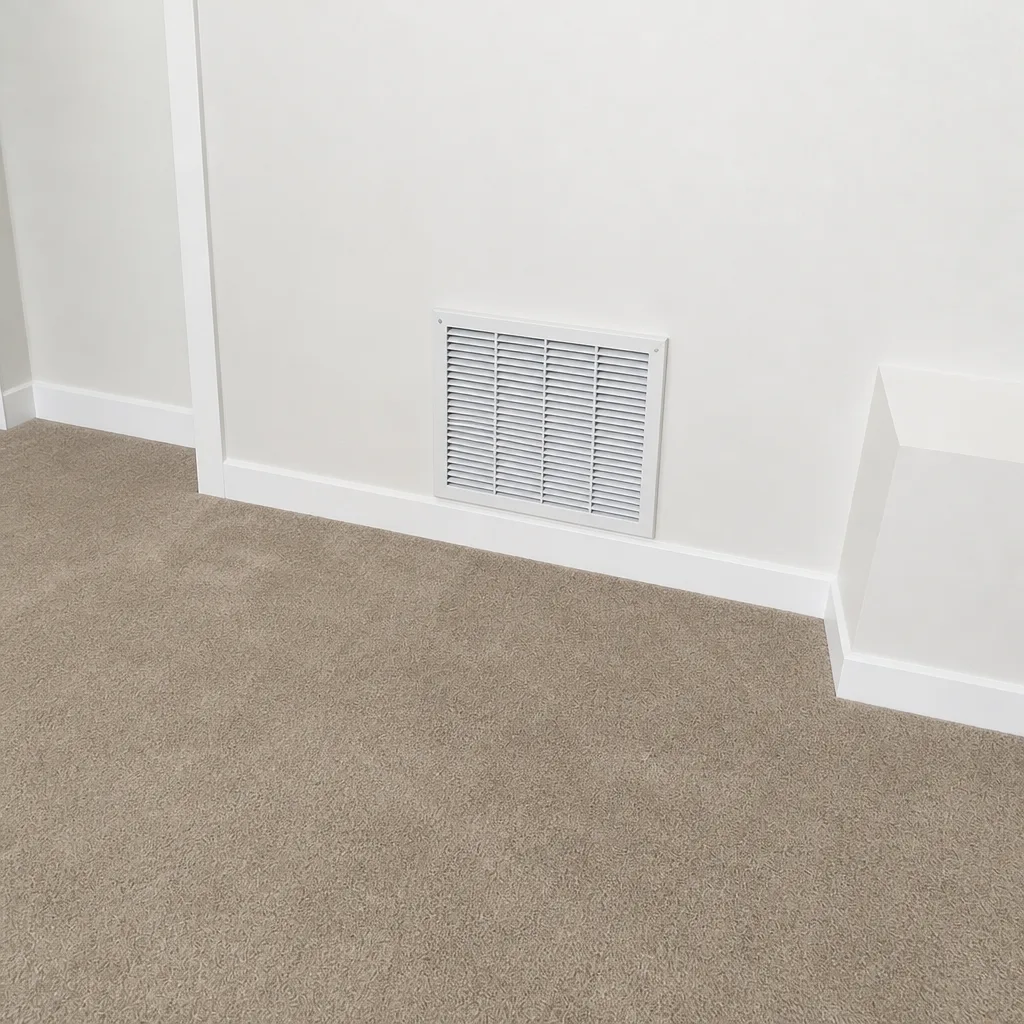 After
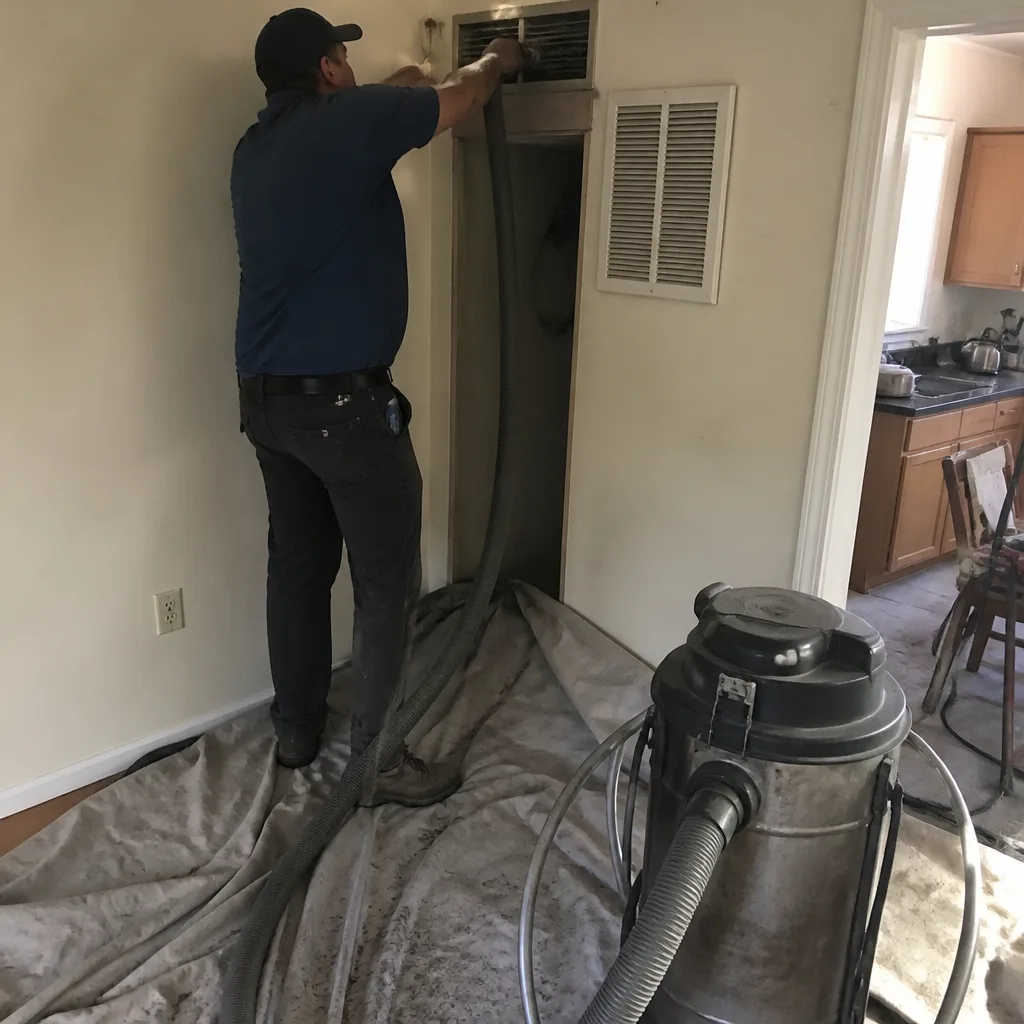 Before
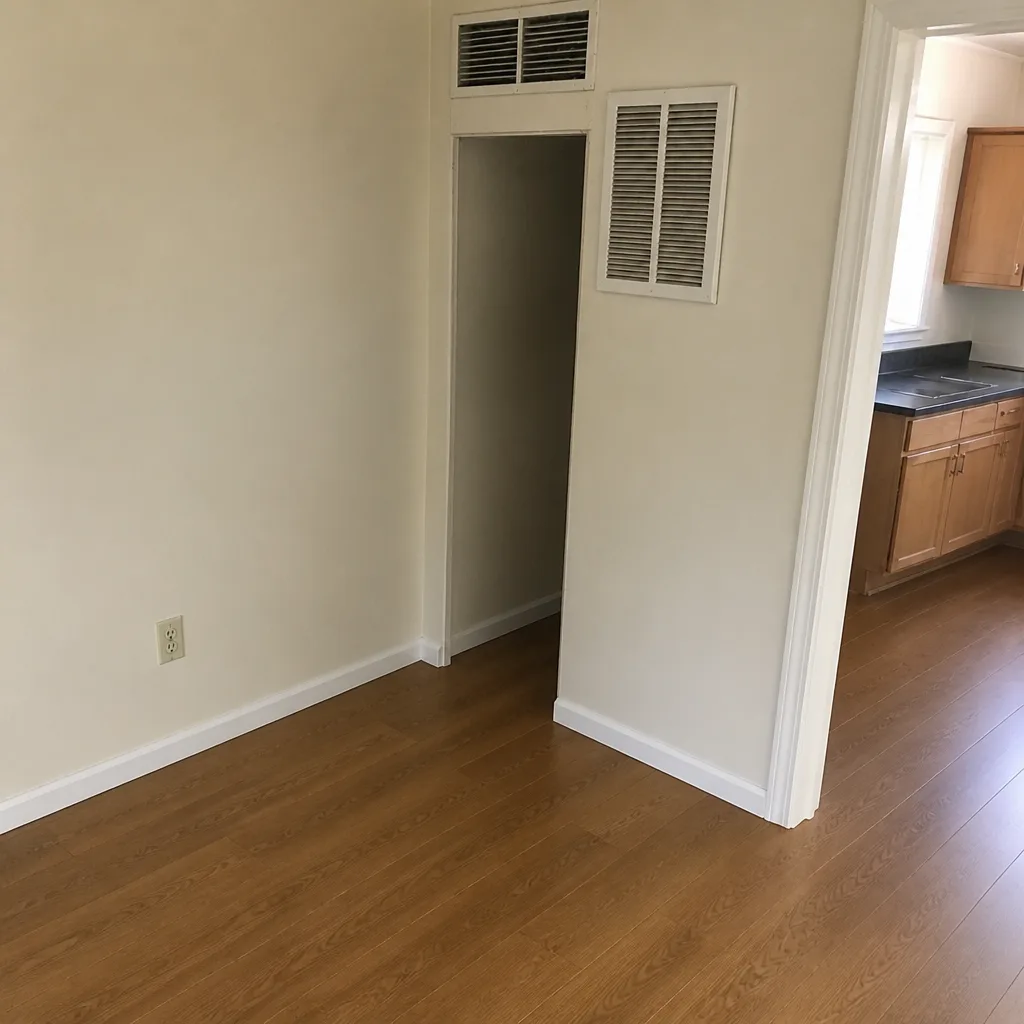 After
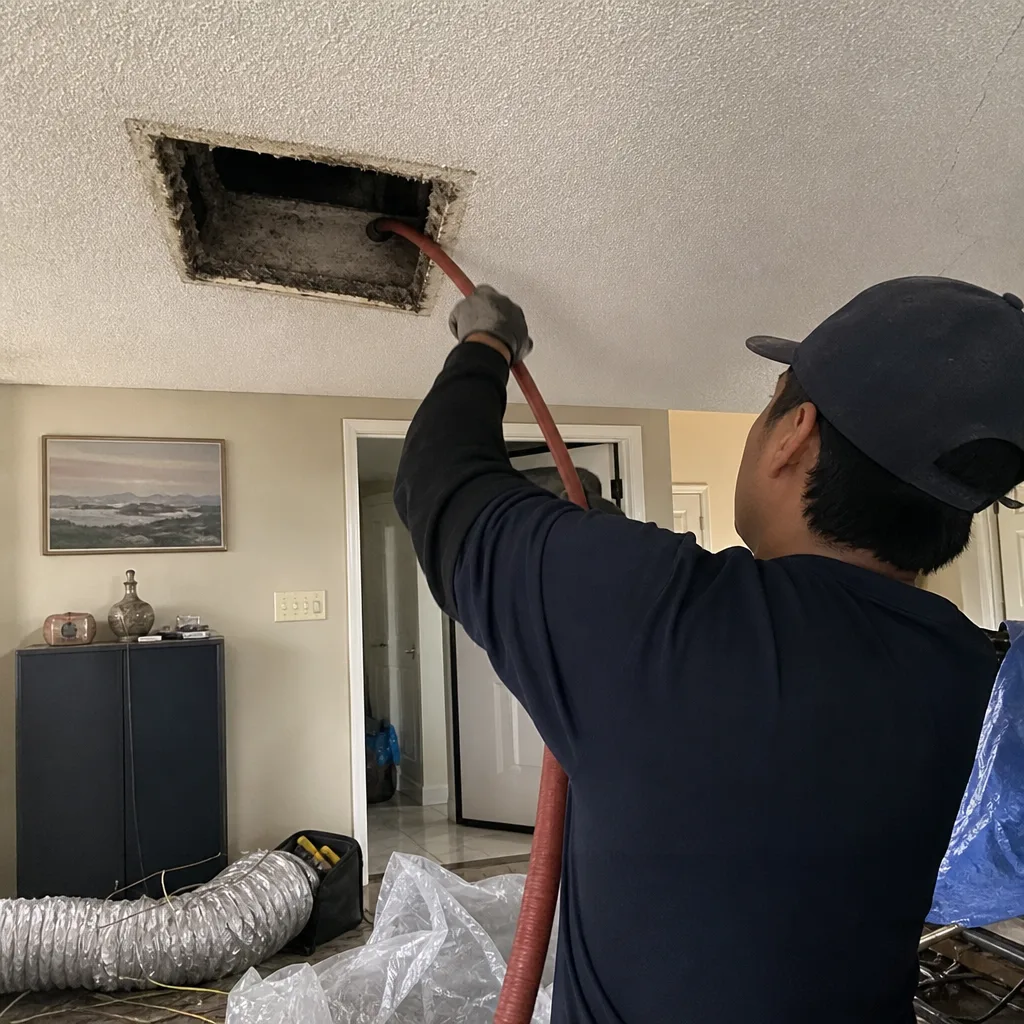 Before
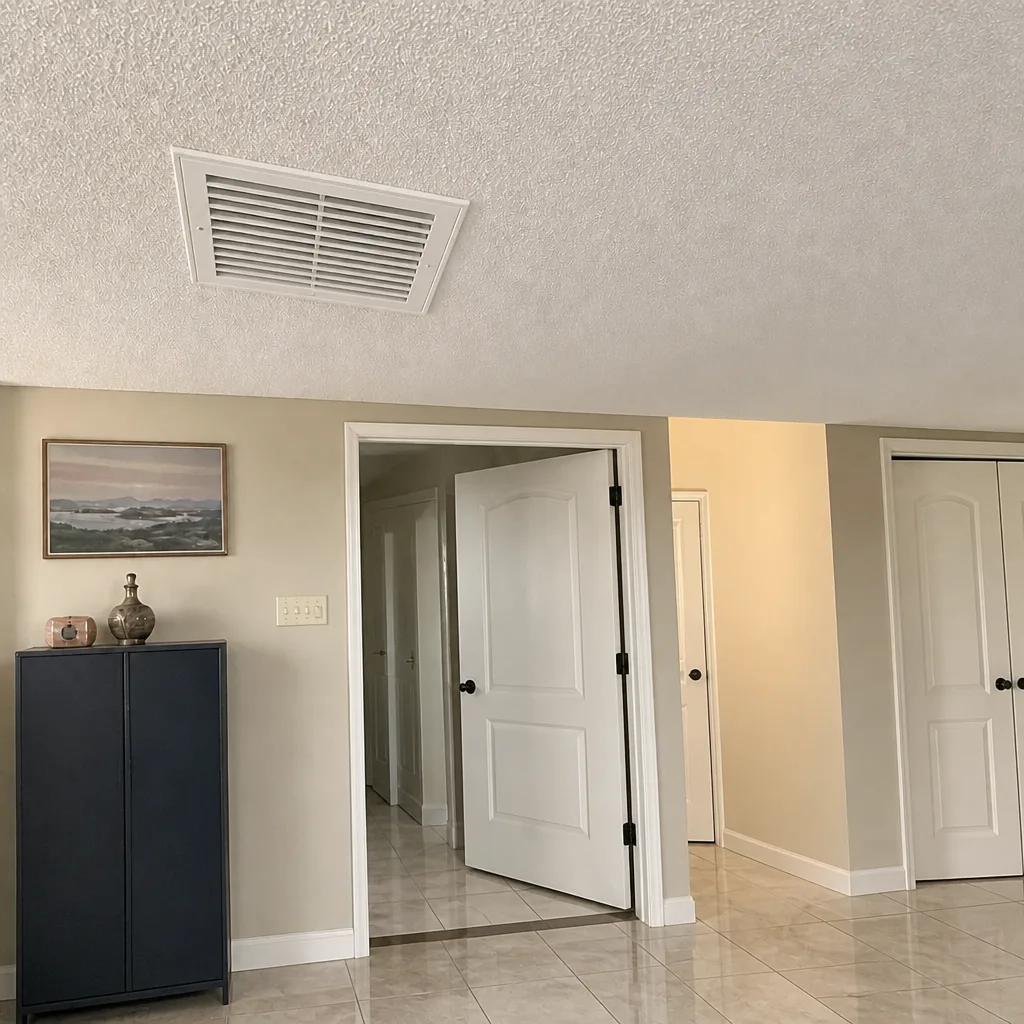 After
When to Call a Professional
Call a professional when the checklist turns up structural findings: disconnected or crushed duct sections, rodent or pest activity, visible mold-like growth, or debris types that point to a leak in the return path. Also call when rooms have never conditioned correctly despite new equipment, or when dust returns within days of your own cleaning efforts. These are not conditions that resolve with more frequent filter changes. They require access, training, and tools designed for the work. Vermont Vista homeowners can reach Rivermark Air Duct Cleaning for a free estimate at (833) 620-6973. We answer 24/7. Fast dispatch from 7am to 7pm, Sunday through Friday.
Frequently Asked Questions
Most homes in Vermont Vista benefit from professional air duct cleaning every three to five years, with the interval shortened by renovation work, pets that shed heavily, smoking indoors, or living near high-traffic corridors where exhaust particulate loads filters faster. A home with new ducts, good filtration, and no renovation history may go longer, while a home that had drywall work done and never cleaned the ducts afterward should have them cleaned once, then reassess the schedule from there. Call (833) 620-6973 for a free estimate and we can tell you what condition your ducts are actually in before recommending any schedule.
Air duct cleaning in Vermont Vista is priced per job, not per vent, with the written estimate setting the final cost after we look at the size of the home, the number of systems, the accessibility of the duct runs, and the level of buildup. We quote one flat price per system before any work begins, so you know the full cost before we touch the ducts. There is no per-vent pricing ever, because that is how low teaser prices become large invoices once the job is underway. Call (833) 620-6973 for an exact written estimate. Estimates are free.
Low duct cleaning quotes typically come from companies that run a vacuum into the registers and call it done, without mechanical agitation of the duct walls, without proper negative-air containment, and without inspecting the ductwork for leaks or disconnections. That approach removes some loose dust and leaves the adhered material in place. Equipment matters, and professional-grade rotary brush and negative-air systems cost more to operate than a shop vac and a camera. If a quote seems too low, ask what equipment they use and whether they include a duct condition assessment with the cleaning.
Ask for before-and-after photos of your own ductwork, specifically the main supply trunk and the return plenum, which are the areas where buildup actually concentrates. Reputable companies provide these as a matter of routine, and you can compare them against the register and return photos you have taken yourself over time. Our process includes visual documentation of the areas we clean, so you see the condition before we start and the result when we finish.
Duct cleaning removes the accumulated dust, pollen, pet dander, and renovation debris that sits inside the duct system and recirculates every time the blower runs, but it works best alongside proper filtration. If the source of the allergens is unfiltered air leaking in through duct gaps, cleaning alone will not solve it. That is why our assessments include checking duct integrity alongside cleaning recommendations, and why we work with Honeywell and Aprilaire filtration products when a household wants better capture between cleanings. The ducts, the filter, and the duct seals are one system, and all three have to work together.
You cannot reach most of the duct system with household equipment, and the parts you can reach are not where the buildup concentrates. Supply registers can be wiped down safely, and return grilles can be vacuumed from the outside, but the interior of the duct runs, the plenums, and the blower compartment require professional equipment and controlled access. Attempting to run consumer-grade brushes or vacuums into ductwork risks damage to the ducts themselves, and without negative-air containment, it can dislodge debris into your living space. This is one task where professional equipment exists for a reason, and the difference between professional-grade tools and household alternatives is real.
The Bottom Line
A duct maintenance checklist works when it is built around observation, not just scheduling. Look at your registers monthly, inspect the return side quarterly, and have the system professionally assessed annually, and you will catch most problems while they are still small. Pay attention to what the debris looks like, because color and texture point to the source. Choose filters based on duct condition and household needs, not just MERV ratings, and document everything with photos so you can see change over time. When findings point to structural issues, disconnected runs, or contamination, make the call. Rivermark Air Duct Cleaning offers free estimates in Vermont Vista. Call (833) 620-6973. We answer 24/7. Fast dispatch from 7am to 7pm, Sunday through Friday.
Written by the team at Rivermark Air Duct Cleaning, serving Vermont Vista since 2014.