
Last updated November 4, 2026
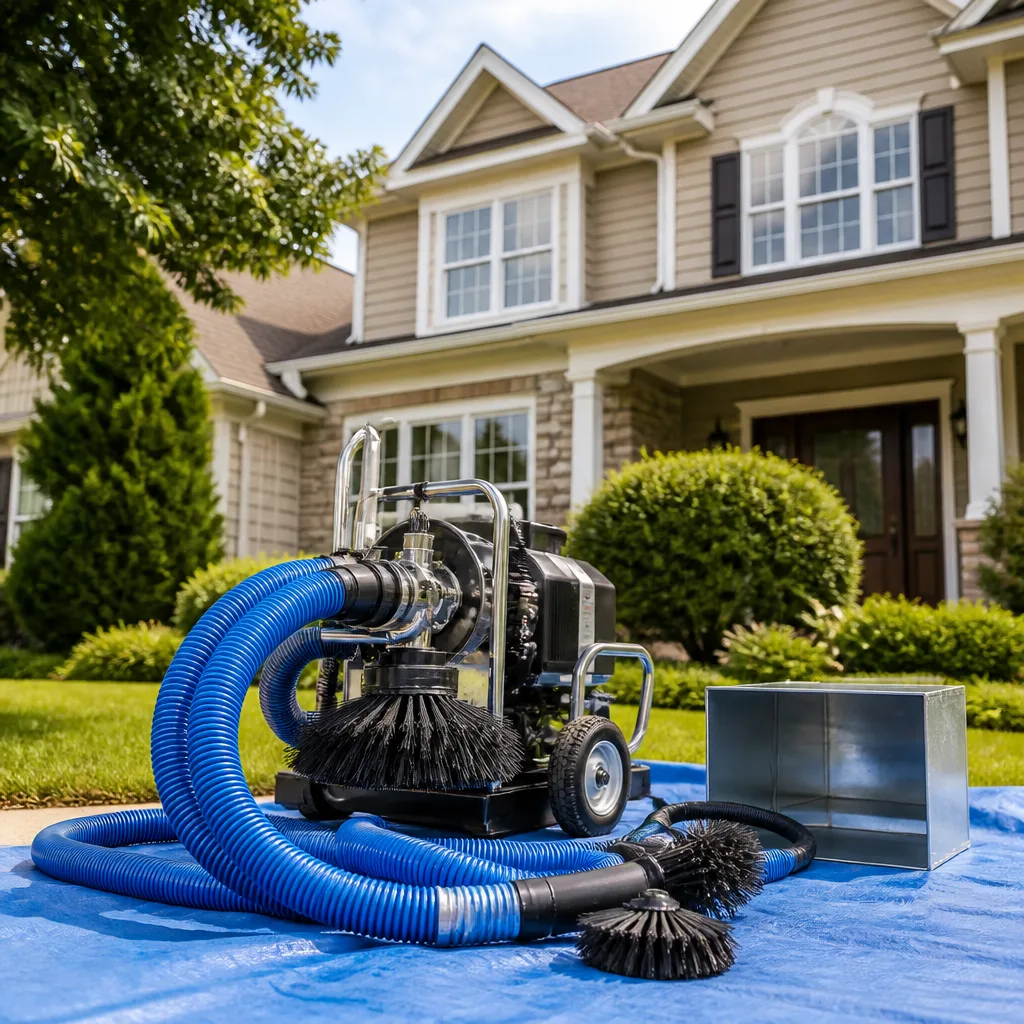 Whole-home duct cleaning
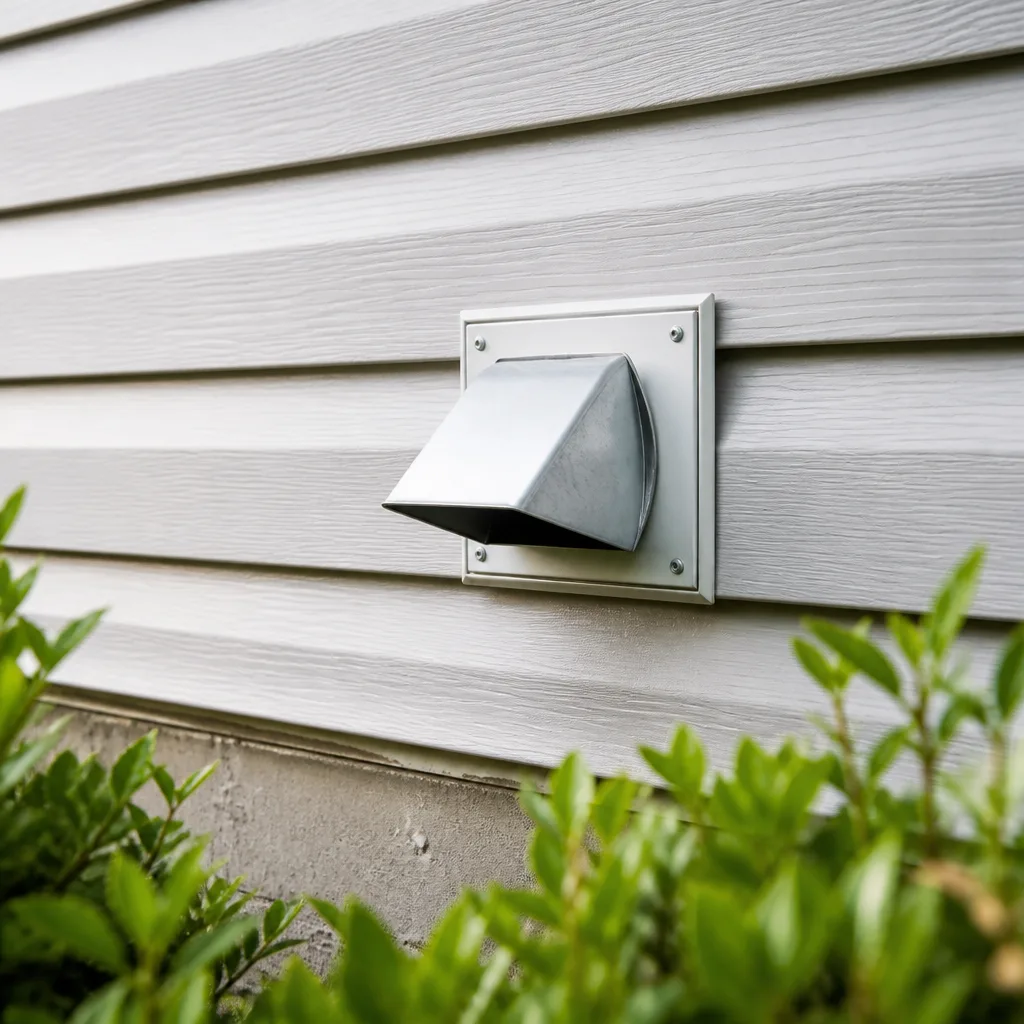 Dryer vent cleaning
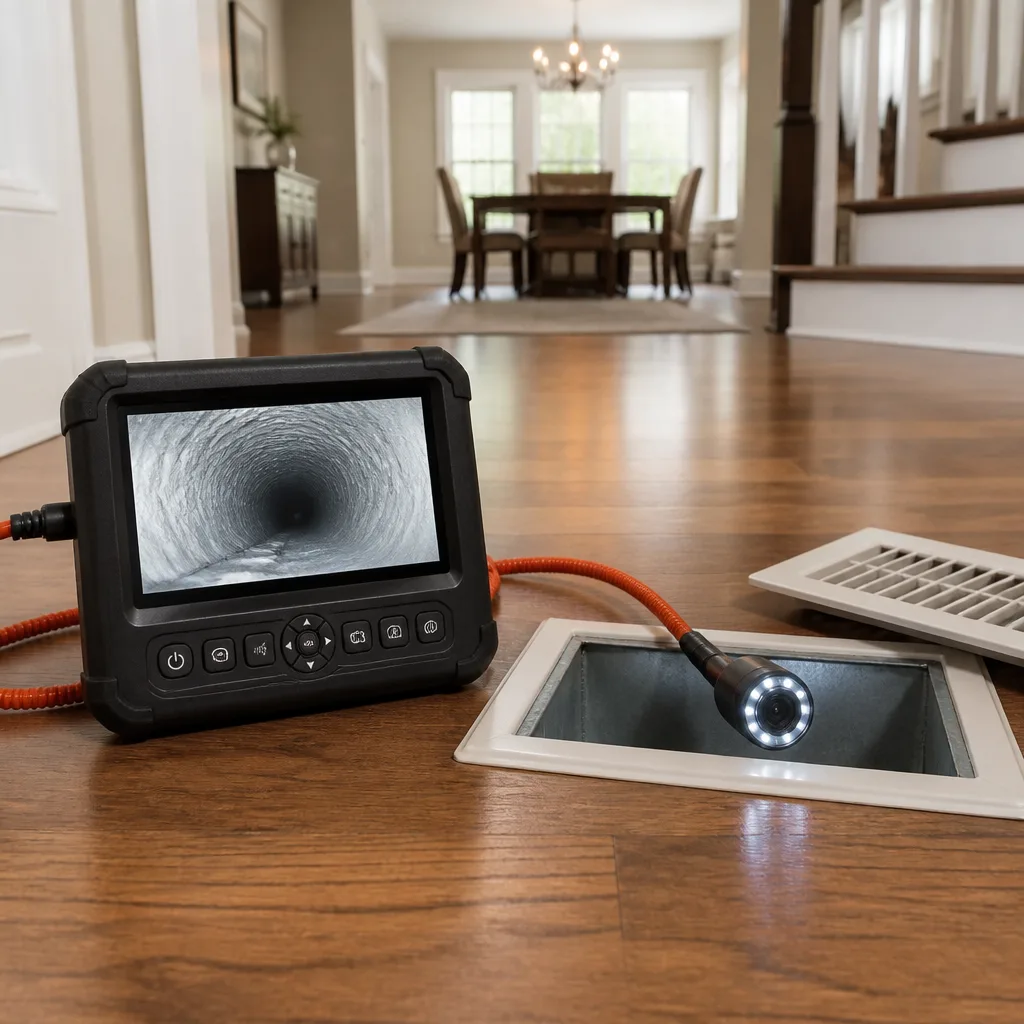 Camera inspection
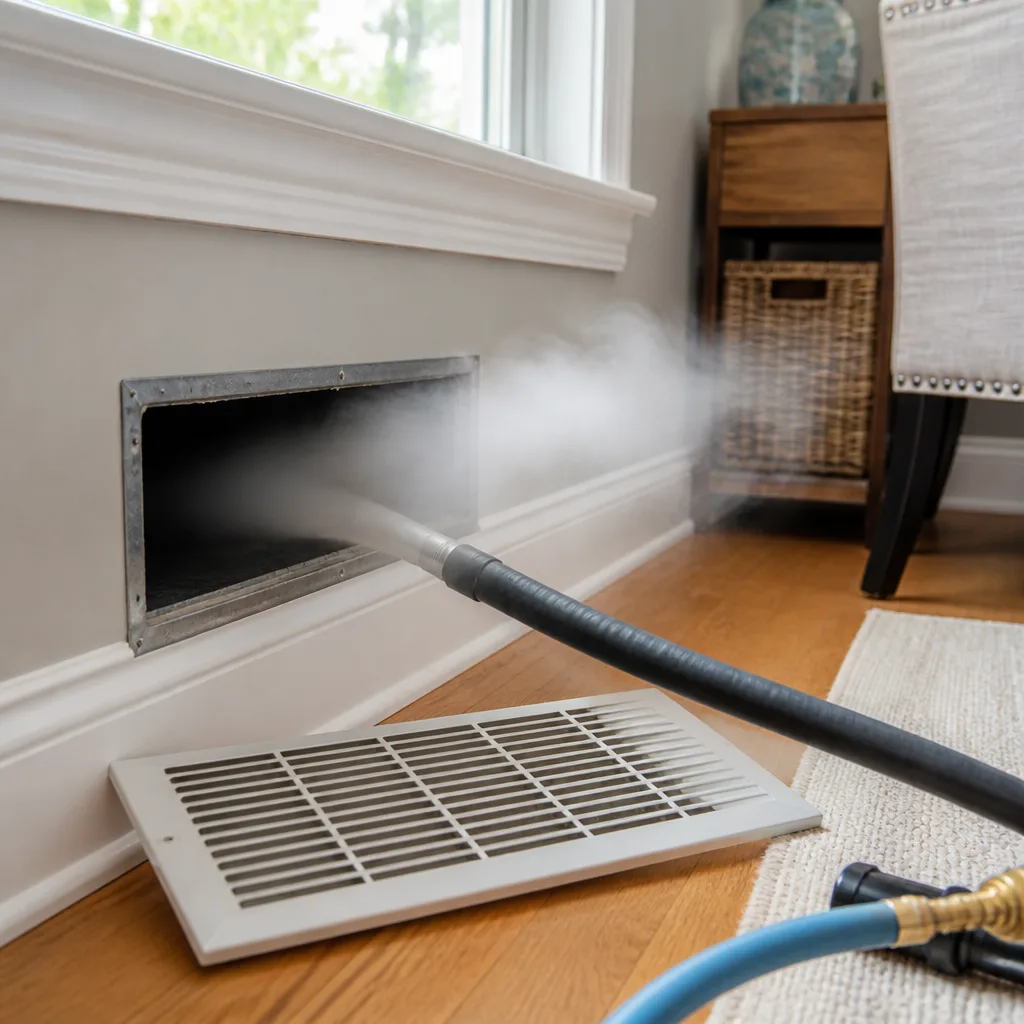 Sanitizing & deodorizing
Whole-system duct and dryer vent check with before-and-after photos - you see exactly what came out of your vents
That "$99 whole-house special" is a bait ad - the real number appears once they are in your hallway, or the "clean" is a shop-vac at the register. We photograph the inside of your ducts before and after instead.
How to Hire an Air Duct Cleaning Contractor in Vermont Vista: A Step-by-Step Guide
In California, anyone with a van and a vacuum can legally call themselves an air duct cleaning company. There is no state license required specifically for duct cleaning. That single fact reshapes how homeowners in Vermont Vista should approach hiring. You are not choosing between equally qualified competitors. You are separating trained specialists from opportunists who bought a machine last month. This guide walks through the evaluation process the way an HVAC engineer would, so you can hire with confidence and avoid paying for a service that leaves your ducts cleaner-looking but no cleaner in fact.
Quick Answer
To hire an air duct cleaning contractor in Vermont Vista, verify NADCA membership directly through the association’s directory, require proof of general liability insurance and workers’ compensation coverage, ask five specific equipment questions that reveal whether the crew uses professional-grade negative-air and rotary brush systems or consumer vacuums, and get a written quote that itemizes scope, access points, and post-cleaning verification. A legitimate contractor will inspect your system before quoting, never price per vent, and stand behind a defined satisfaction guarantee.
Styles & brands we work with
- Whole-home duct cleaning
- Dryer vent cleaning
- Camera inspection
- Sanitizing & deodorizing
Table of Contents
- Why California’s Lack of Duct Cleaning Licenses Changes Everything
- The Five Equipment Questions to Ask Any Contractor
- NADCA Membership: What It Means and What It Doesn’t Guarantee
- How to Read a Quote: Line Items That Signal Thoroughness vs. Low-Ball Scopes
- Insurance and Liability Questions That Protect You
- On-Site Evaluation Red Flags: The First 15 Minutes Matter
- Common Mistakes to Avoid
- When to Call a Professional
Why California’s Lack of Duct Cleaning Licenses Changes Everything
Most trade categories in California carry some form of licensing. Plumbers hold C-36 licenses. Electricians hold C-10 licenses. HVAC contractors hold C-20 licenses. Air duct cleaning sits outside that structure. The Contractors State License Board does not issue a dedicated duct cleaning classification. A company can register as a business, rent equipment, print flyers, and start booking jobs in Vermont Vista without ever demonstrating competence to a state board.
This is not a loophole unique to duct cleaning. It is the industry’s defining structural condition, and it is why the burden of verification falls on you. In regulated trades, the state does the first round of vetting. In duct cleaning, you are the vetting process. That reality changes the questions worth asking. Rather than asking “Are you licensed?” which produces a rehearsed yes from every operator, you need to ask questions that reveal whether the company invested in training, equipment, and continuing education or simply invested in a website.
Vermont Vista’s housing stock makes this especially relevant. The single-family homes and apartments here run central HVAC systems through duct runs that accumulate dust, pet dander, construction debris, and what our technicians describe plainly as the residue of daily living. In newer construction, drywall dust and sawdust settle into the system before the first occupant moves in. In older homes, decades of airflow carry biological material through returns and registers. A crew that only vacuums the first few feet of each visible duct leaves the rest untouched. You would not know the difference by looking at the visible section.
The practical takeaway is simple. Do not assume competence. Require evidence of it. The rest of this guide gives you the tools to gather that evidence before you hand over a deposit or agree to a booking.
The Five Equipment Questions to Ask Any Contractor
Equipment matters more in duct cleaning than in almost any other residential service because the entire job is performed by machines. You cannot watch most of the work happen. The difference between a thorough cleaning and a surface touch-up lives inside the tools the crew brings. Ask these five questions before booking. Listen for specifics. Vague or deflective answers are red flags.
- What type of agitation system do you use, and can you name the brand? Professional duct cleaning uses mechanical agitation to loosen debris from duct walls, then negative-air pressure to extract it. The strongest operations name their equipment without hesitation. Brands like Rotobrush and Nikro are industry standards in commercial and professional residential work. An evasive answer like “we have a powerful vacuum system” suggests a portable vacuum approach that cannot reach the full duct run.
- Does your equipment create negative air pressure in the duct system? This is the technical standard for contained extraction. Negative-air equipment pulls the duct system into a controlled negative pressure state so that loosened debris moves toward the collection point instead of drifting back into living spaces. Nikro manufactures negative-air machines used in serious remediation work. A contractor who cannot explain negative air pressure is using suction alone, and suction alone does not clean duct walls.
- Can you show me photos of the actual equipment you will bring to my home? Not stock photos. Not a brochure. Ask for photos of the machines on a truck or in a staging area. This filters out companies that subcontract the work or rent machines per job. A company that owns its equipment has made a capital commitment to the trade.
- How do you access the duct runs, and how many access points will you create? Thorough cleaning requires access beyond the register openings. Legitimate technicians cut or open access points into the main trunk line, clean through them, then seal them properly with caps or patches designed for the purpose. A crew that only works through the registers cannot reach the full length of most systems.
- What do you do after the cleaning to verify the work? This may be the most revealing question of the five. Professional companies document before-and-after conditions with photos or video from inside the duct. Some run air quality measurements. A company that hesitates here, or says “you’ll see the dust leave,” is signaling that no defined verification process exists.
At Rivermark Air Duct Cleaning, we use Rotobrush rotary brush systems for mechanical agitation of duct walls and Nikro negative-air equipment for contained extraction. These are the same professional-grade machines used by commercial HVAC contractors. We answer all five questions directly in the initial phone call because homeowners in Vermont Vista deserve to know what equipment shows up before it backs into the driveway.
NADCA Membership: What It Means and What It Doesn’t Guarantee
NADCA, the National Air Duct Cleaners Association, is the recognized trade association for the industry. Membership matters because it requires adherence to a defined cleaning standard: the ACR, or Assessment, Cleaning, and Restoration standard. Members are expected to follow its procedures for system assessment, source removal cleaning, and post-cleaning verification. Membership signals that a company has committed to industry-recognized practices rather than improvising its own.
Here is what NADCA membership does not guarantee. It does not guarantee that every technician on every job follows the standard. It does not guarantee that the company does not subcontract to untrained crews. It does not guarantee that the cleaning will satisfy you. It is a meaningful signal, but it is not a substitute for the equipment and process questions above. It is one data point in a larger evaluation.
How to Verify NADCA Membership
- Go to the NADCA website and open the “Find a Professional” directory.
- Enter the company name and location. A verified member appears with a membership status.
- Ask the contractor for their NADCA membership number, then confirm it matches the directory listing.
- Check whether the membership is current. Expired memberships are common; a company may have been a member years ago and still list the logo.
- Ask which employees are certified Air Systems Cleaning Specialists (ASCS). NADCA certification applies to individuals who pass an exam, not to companies. A company can hold membership while employing zero certified technicians.
In Vermont Vista, where the local market includes both established specialists and newer one-person operations, this verification step filters out a meaningful share of low-effort contractors. When a company passes the directory check and can name certified personnel, it signals investment in training. When it hedges on membership status or claims it without being listed, treat that as disqualifying.
How to Read a Quote: Line Items That Signal Thoroughness vs. Low-Ball Scopes
Quotes in this industry run a wide range, and the structure of the quote often tells you more than the total. Some Vermont Vista homeowners have shown us quotes that itemize every step of a real cleaning. Others have shown us numbers scrawled on a business card after a four-minute walkthrough. Learn to read the gap between them.
Line Items a Thorough Quote Should Include
- Scope of access: How many access points will be cut, where, and how they will be sealed after cleaning.
- Agitation method: The specific rotary brush or agitation system, not “cleaning as needed.”
- Collection method: Negative-air extraction with a HEPA-filtered collection unit, stated explicitly.
- Registers and grilles: Whether return and supply grilles are removed, cleaned, and reinstalled.
- Interior sanitization: Whether the process includes an EPA-registered sanitizer, and which one, if you choose to include it.
- Post-cleaning verification: Photos, video, or both, taken inside the duct runs after extraction.
- Warranty language: What the company promises in writing if issues arise within a defined period.
Signals of a Low-Ball Scope
- A per-vent price with no discussion of trunk line access.
- A total price quoted before anyone looked at the system.
- No mention of access points, sealing, or post-cleaning verification.
- Language like “basic cleaning” or “standard package” with no equipment defined.
- A quote that cannot be explained line by line by the person giving it.
Pricing is set per job by a written estimate, not by a universal formula. The estimate should be free of charge and should result from a real inspection of your system, not a phone conversation. A contractor who cannot explain what each line item pays for is asking you to buy something undefined.
Insurance and Liability Questions That Protect You
Insurance protects you in two specific scenarios. The first is property damage: a technician drops a tool into your supply plenum, cuts an access point in the wrong location, or tears a duct seam. The second is injury: a crew member is hurt on your property, and the claim path determines whether your homeowner’s policy absorbs it or the contractor’s coverage does.
Ask for these documents before work begins:
- General liability insurance: Confirm current coverage in writing. A certificate of insurance (COI) issued by the insurer is standard; a screenshot of a policy summary is not.
- Workers’ compensation insurance: In California, this matters more than in states with weaker worker protections. If a technician is injured on your property and the company lacks workers’ comp, the claim can land on your homeowner’s policy.
- Named additional insured: Ask whether the company will add you as a named additional insured on the COI for the job. Some companies do this as a matter of course. It gives you direct notification if the policy changes or lapses.
A company that refuses to provide a COI, or that provides one with an expiration date in the past, has told you what you need to know. Move on. This is not a case where trust substitutes for documentation. In the Vermont Vista market, credible operators provide insurance documentation promptly because they expect the question and carry the coverage.
On-Site Evaluation Red Flags: The First 15 Minutes Matter
The first quarter hour of an on-site visit tells you more about a contractor than any phone conversation. Watch what the technician does before the machine starts. A legitimate contractor uses the first 15 minutes to evaluate. A crew that races to the register covers with a hose in hand is not there to assess. It is there to start the clock.
What a Legitimate Contractor Does in the First 15 Minutes
- Asks about the system’s history: When was the home built, when was the last HVAC service, has there been renovation or construction, are there pets, has anyone in the home had unexplained allergy symptoms.
- Inspects the HVAC equipment: Opens the air handler or furnace cabinet, checks the filter, examines the blower wheel and evaporator coil if accessible.
- Examines return and supply registers: Removes at least one register to look at the duct interior rather than the visible surface.
- Assesses duct accessibility: Identifies where access points can be made without damaging finished surfaces, and tells you where they will be.
- Explains the process before starting: Walks you through what the equipment will do, where the collection unit will sit, and what you should expect to hear and see.
A crew that skips assessment and opens the machine immediately is signaling a process problem. Sump pump systems, flex runs, and older rigid ducts all present different conditions, and a one-size process does not fit them. The evaluation phase is not a delay. It is the part of the job where a competent company learns what it is actually cleaning.
Air duct cleaning in this area should always begin with assessment. We have walked into homes in Vermont Vista where the homeowner assumed the entire system was contaminated, only to find that the problem was localized to a single return run carrying construction debris from a renovation. A company that evaluates first costs you less and does more. A company that starts the machine first charges you for theater.
Common Mistakes to Avoid
- Hiring on price alone. Duct cleaning prices in Vermont Vista vary because scope varies. The cheapest quote often covers the fewest access points, the thinnest agitation, and no verification. Price shopping works when the products are identical. They are not.
- Assuming licensing exists. No California license is required specifically for duct cleaning. The company with a professional-looking truck may hold no trade qualification at all. Verify competence directly.
- Skipping the insurance check. If a technician is hurt on your property and the company lacks workers’ compensation, the claim can fall to your homeowner’s policy. This is a structural risk, not a theoretical one.
- Believing a chemical smell equals cleanliness. Some crews run misting machines that leave ducts smelling good but remove little debris. Odor is not a cleaning metric. Ask for visual verification from inside the ducts instead.
- Neglecting the dryer vent. Many homeowners focus on the HVAC ducts and forget that the dryer vent is a separate system with a separate risk profile. Lint buildup in dryer vents is a leading cause of residential fires. Dryer vent cleaning is not an optional add-on. It is a fire-safety service.
- Delaying repair work. Cleaning cannot fix disconnected ducts, crushed runs, or leaking seams. If a contractor identifies damage and you defer repair, the cleaned system will re-contaminate quickly. Vermont Vista homes with aging ductwork often need repair as much as cleaning. Ask whether the contractor can perform repairs or can only clean around them.
When to Call a Professional
Some situations do not require hesitation. If you have just completed a renovation and can still smell drywall dust when the HVAC cycles on, schedule a cleaning before the dust works its way through every room. If a family member has allergy symptoms that worsen at home and fade away from home, the duct system is a logical place to investigate. If you cannot remember the last time the vents were opened and inspected, the system has been out of sight long enough. If you notice dust accumulating on register grilles within days of cleaning your home, the ducts are depositing airborne material back into the living space.
Rivermark Air Duct Cleaning offers free estimates in Vermont Vista. Call (833) 620-6973 and we will walk your system, explain what we find, and give you a written quote before any work begins. We answer 24/7. Fast dispatch from 7am to 7pm, Sunday through Friday.
See the difference
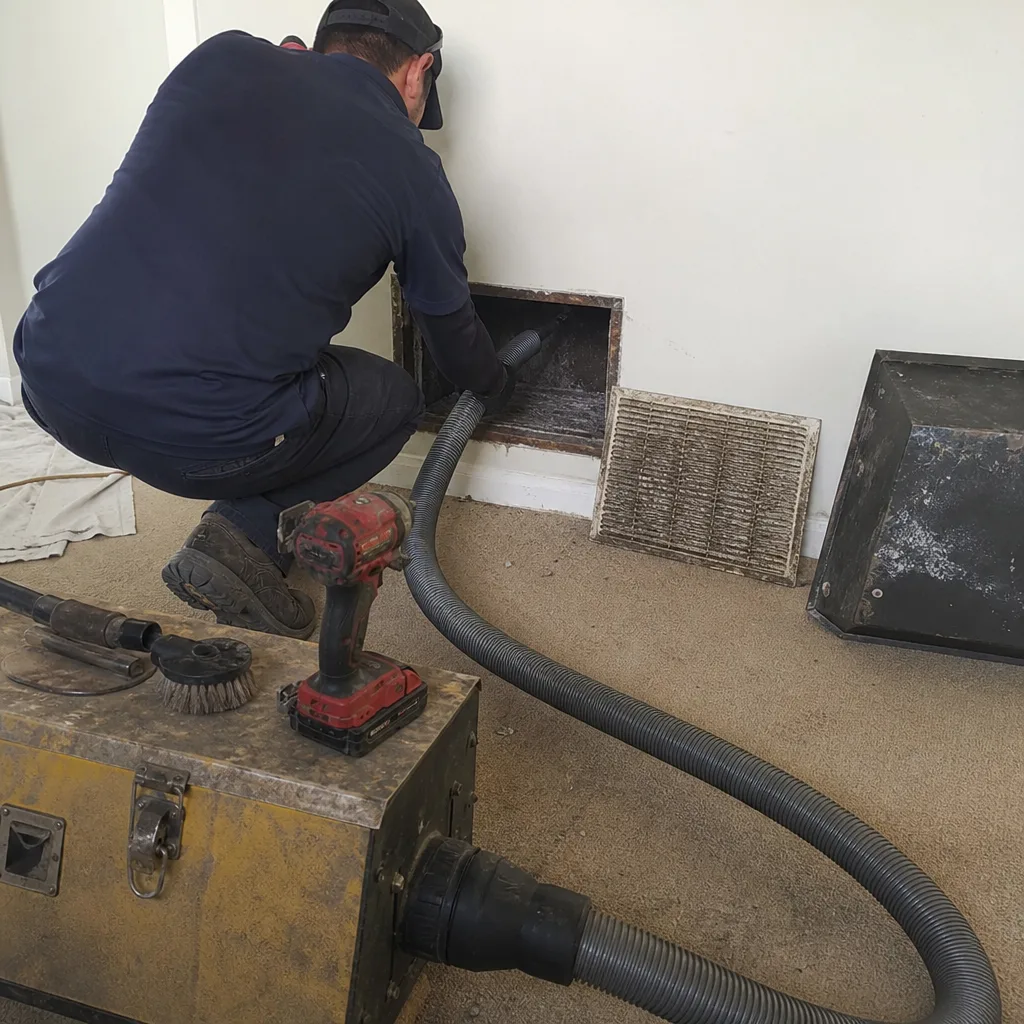 Before
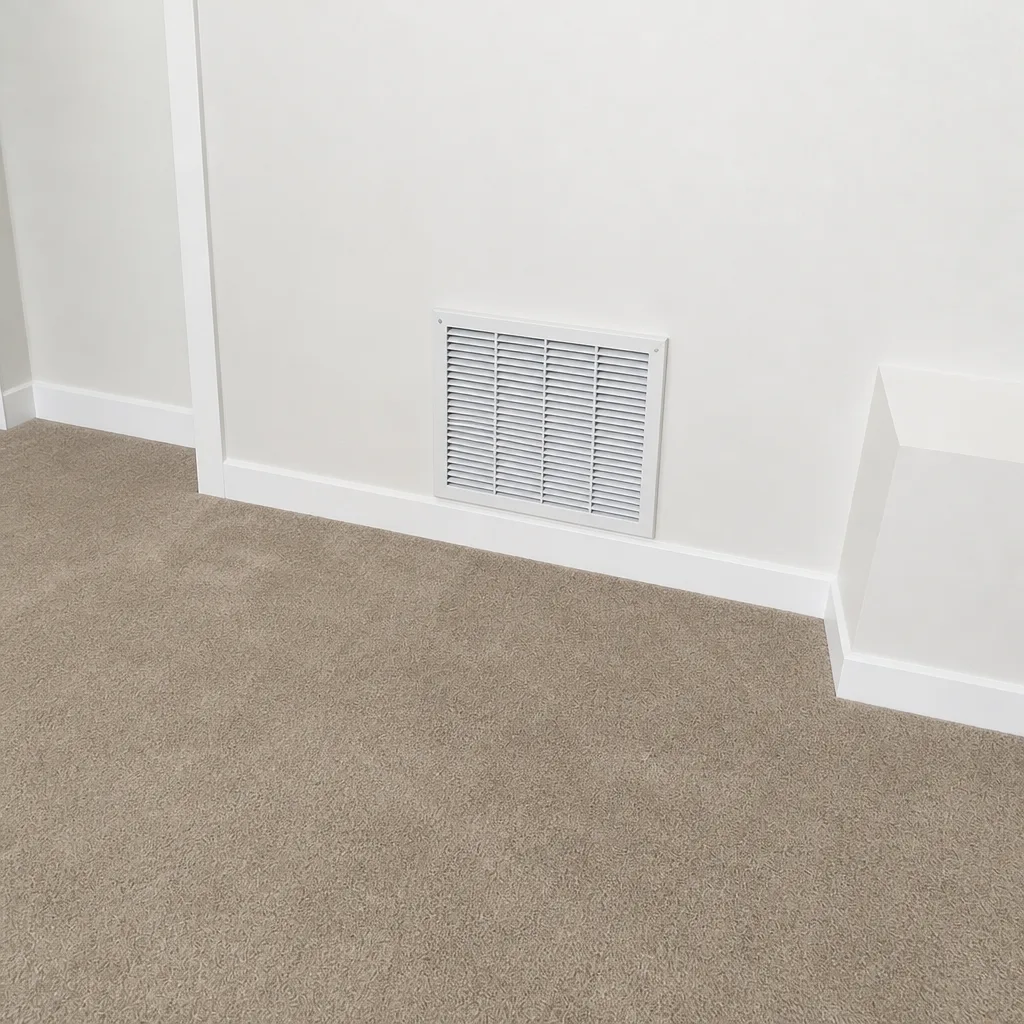 After
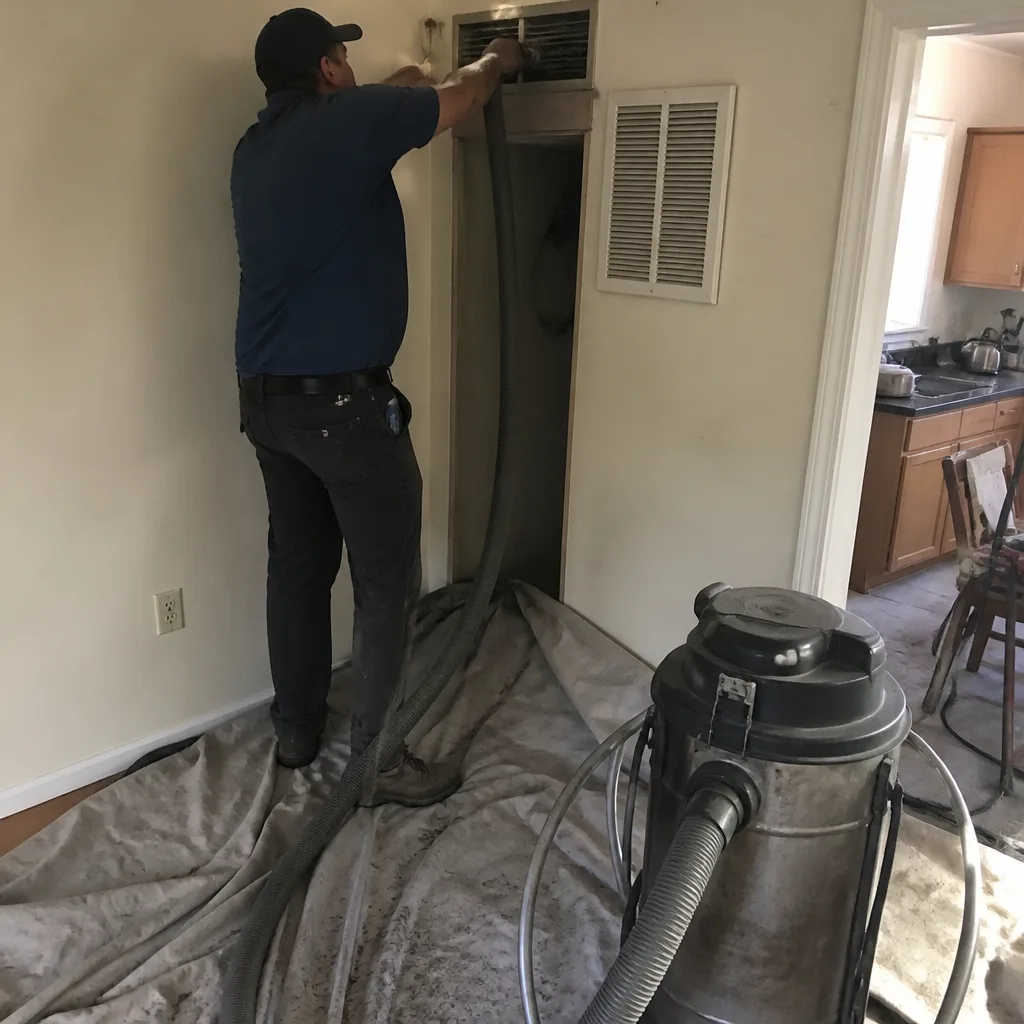 Before
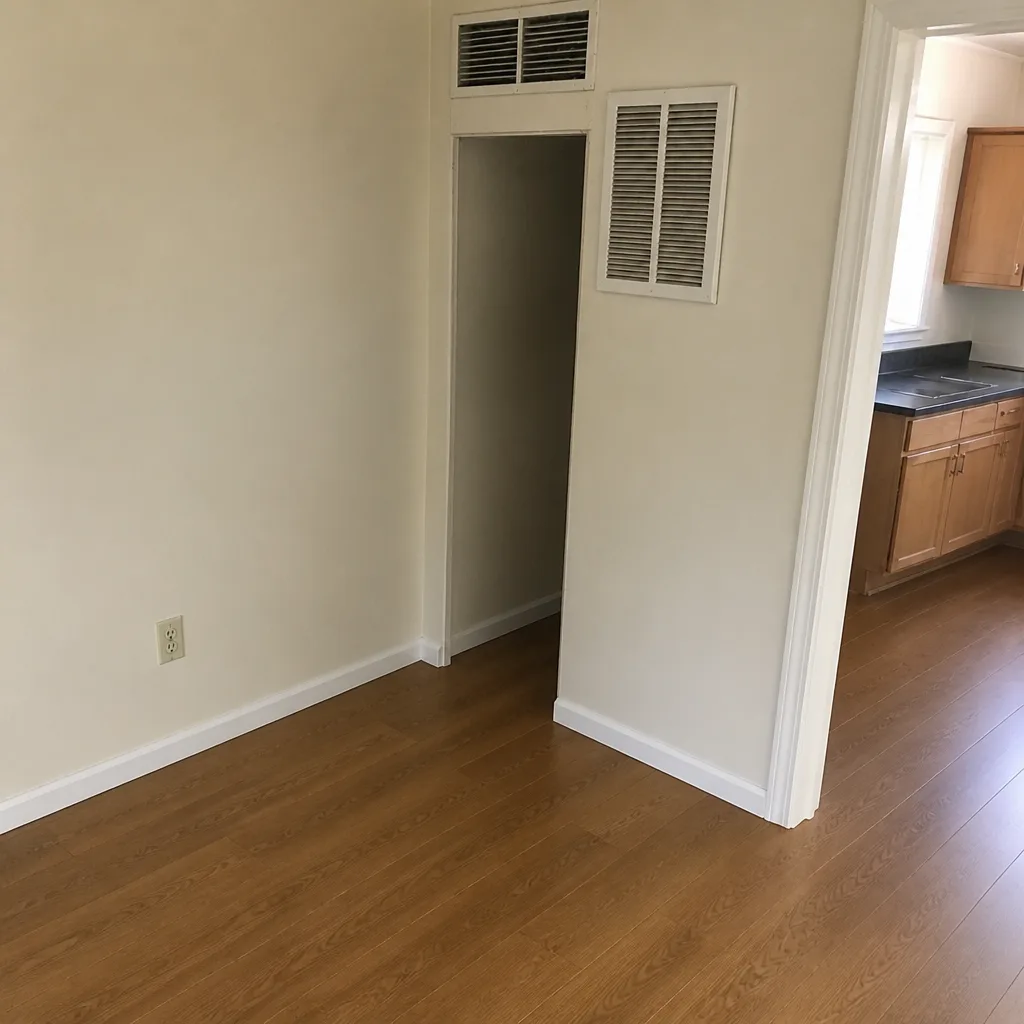 After
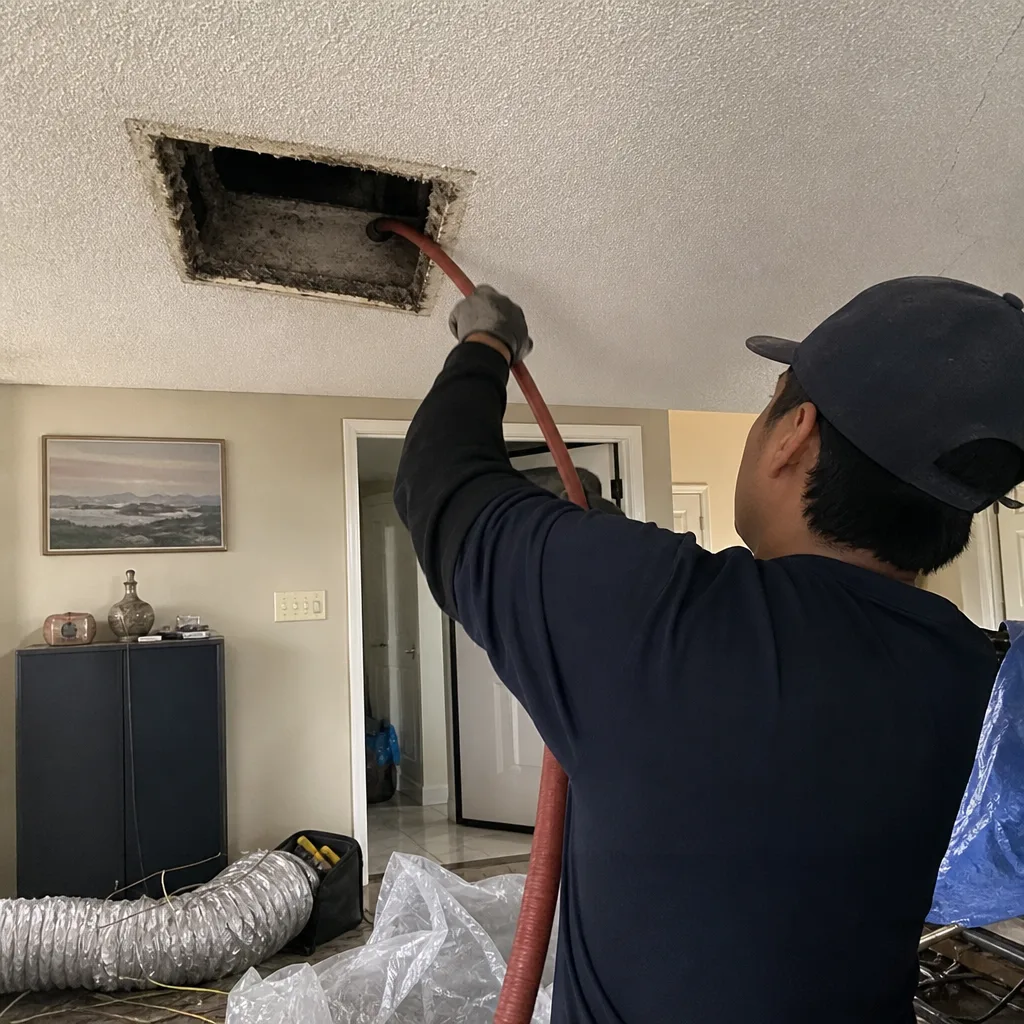 Before
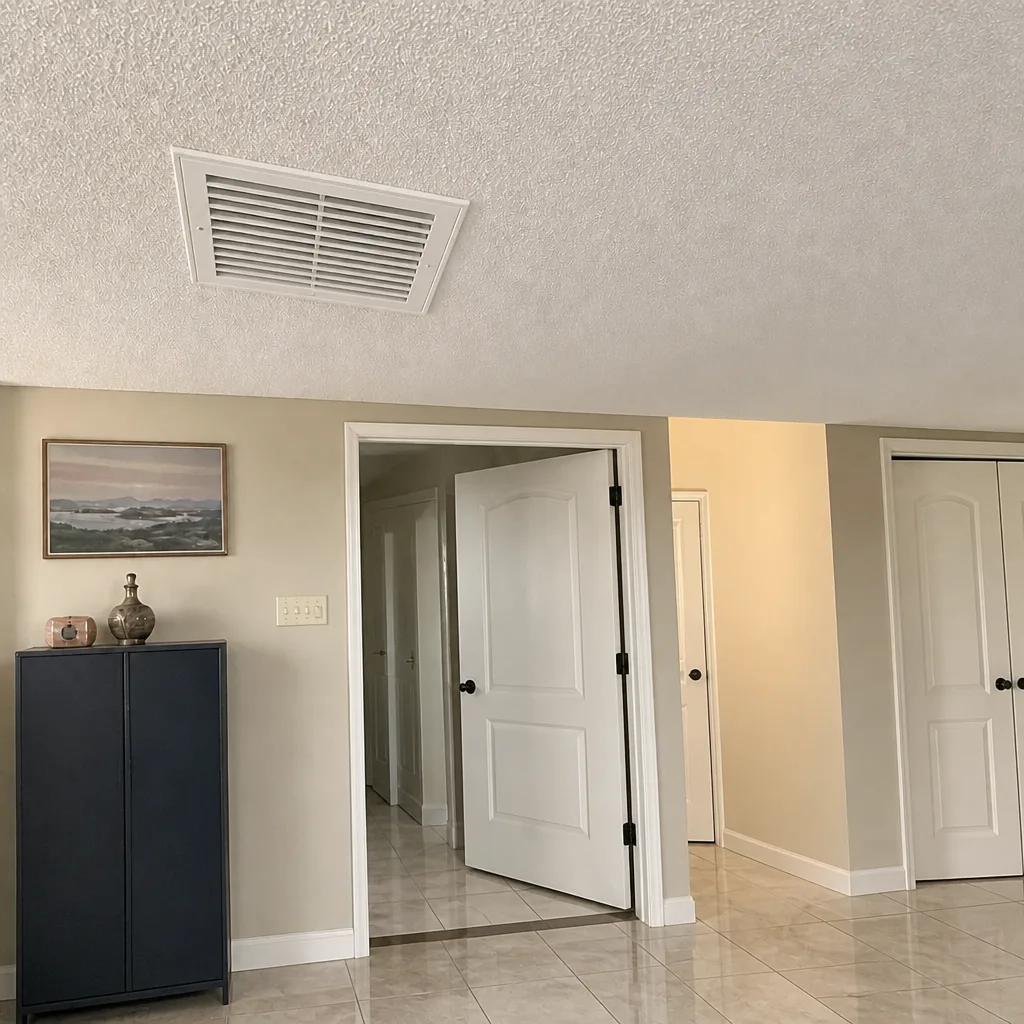 After
Frequently Asked Questions
Start with the NADCA directory to confirm membership and individual ASCS certification, then request a certificate of insurance for both general liability and workers’ compensation, then ask the five equipment questions covered above. A company that passes all three layers has demonstrated training, coverage, and equipment investment.
The spread almost always reflects scope differences: fewer access points, less mechanical agitation, no trunk line cleaning, and no post-cleaning verification. A quote that does not itemize access points and extraction method is not a better deal on the same service. It is a smaller service presented with the same name.
Request before-and-after photos or video captured from inside the duct runs. This is standard practice among professional companies and the only reliable way to confirm what happened beyond the visible register openings. A contractor that cannot provide interior verification has not verified its own work.
Dust, pet dander, pollen, and other particulates circulate through duct systems and deposit on duct walls. When a cleaning removes that accumulated material and the source of ongoing circulation, many homeowners report noticeable improvement in allergy symptoms at home. The result depends on the thoroughness of the cleaning and whether the system has ongoing contamination sources.
Ask before booking whether the company can repair what it finds. Many cleaning-only companies leave disconnected or deteriorated ductwork behind, which re-contaminates the clean system quickly. Companies with repair capability can seal tears, reconnect separated runs, and replace crushed sections as part of the job, rather than telling you to call someone else later.
There is no universal schedule. Homes with pets, recent renovation, or allergy-sensitive occupants often need cleaning every two to four years. Homes with no pets, no construction history, and good filtration may go longer. The best approach is periodic inspection, not a fixed calendar. An evaluation tells you whether buildup justifies cleaning or whether the system can wait.
The Bottom Line
Hiring an air duct cleaning contractor in Vermont Vista requires you to act as the licensing board California does not provide. Verify NADCA membership directly. Require insurance documentation. Ask the equipment questions and listen for specific answers. Read the quote structure before the total. Watch what happens in the first 15 minutes of the site visit. None of this is complicated, but each step filters out operators who rely on your lack of information. The families who care most about what they breathe are the families who ask the most questions. That is how it should be.
Written by the team at Rivermark Air Duct Cleaning, serving Vermont Vista since 2014.