
Last updated November 4, 2026
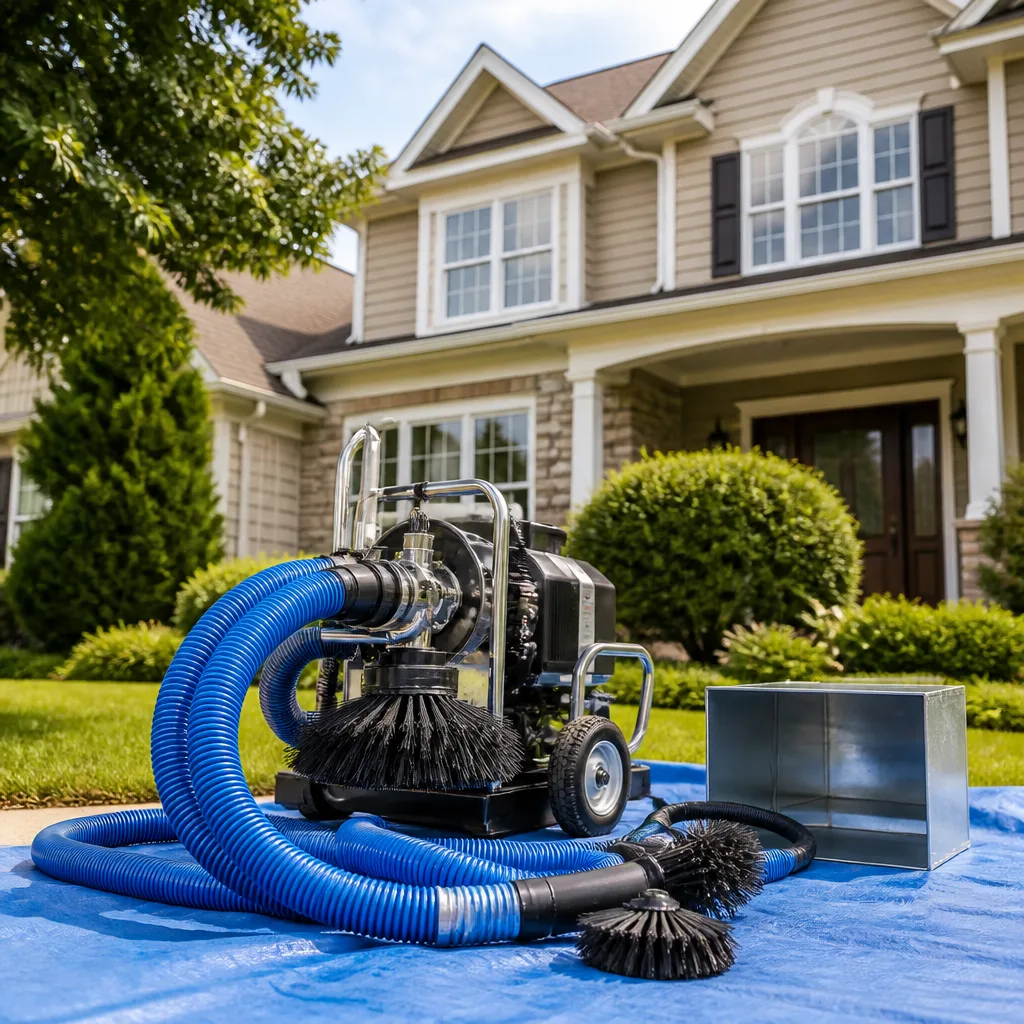 Whole-home duct cleaning
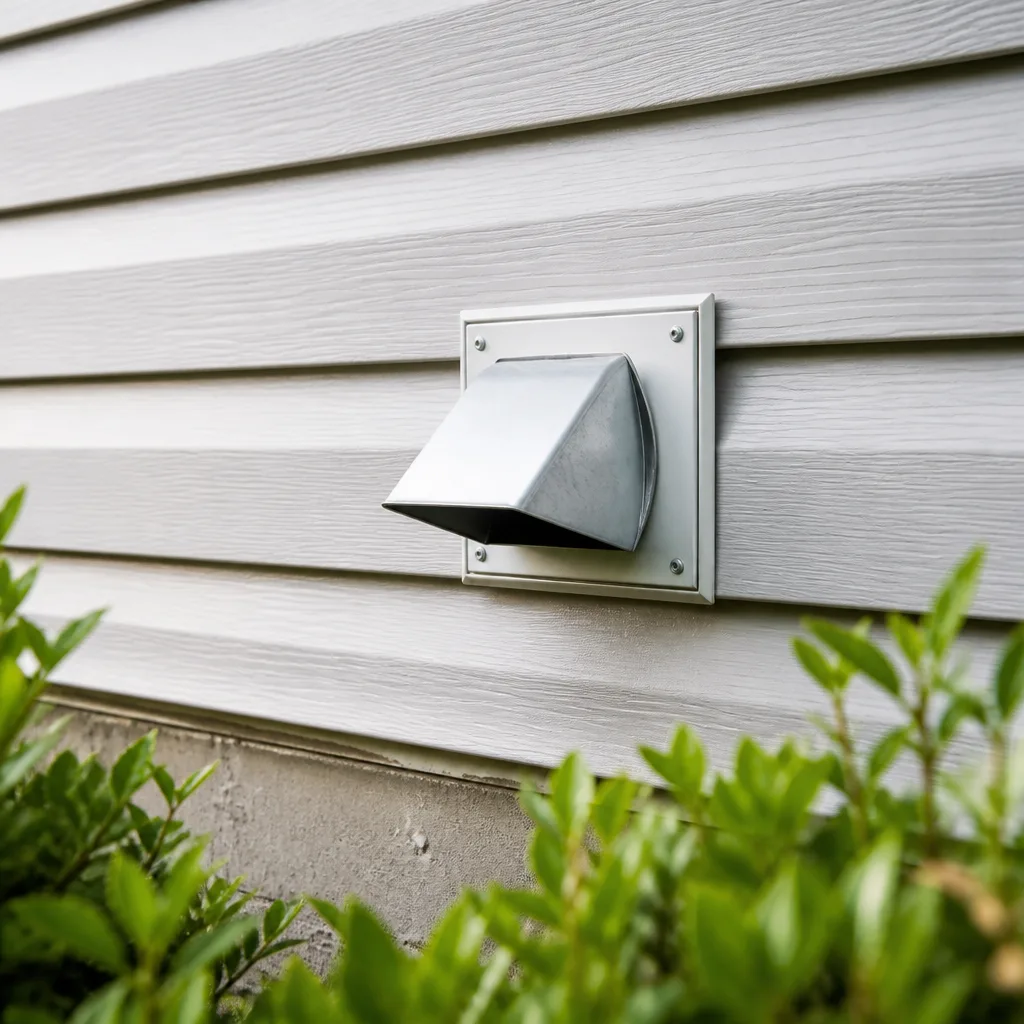 Dryer vent cleaning
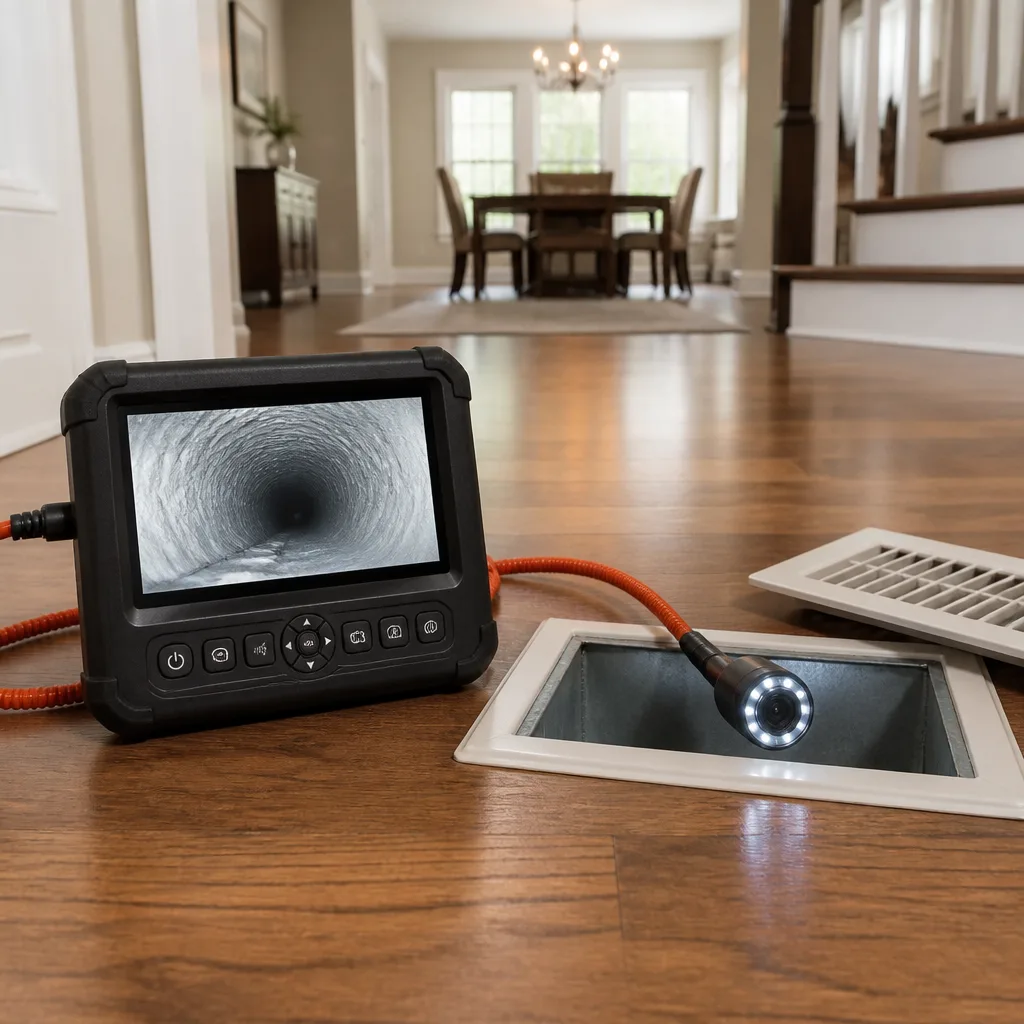 Camera inspection
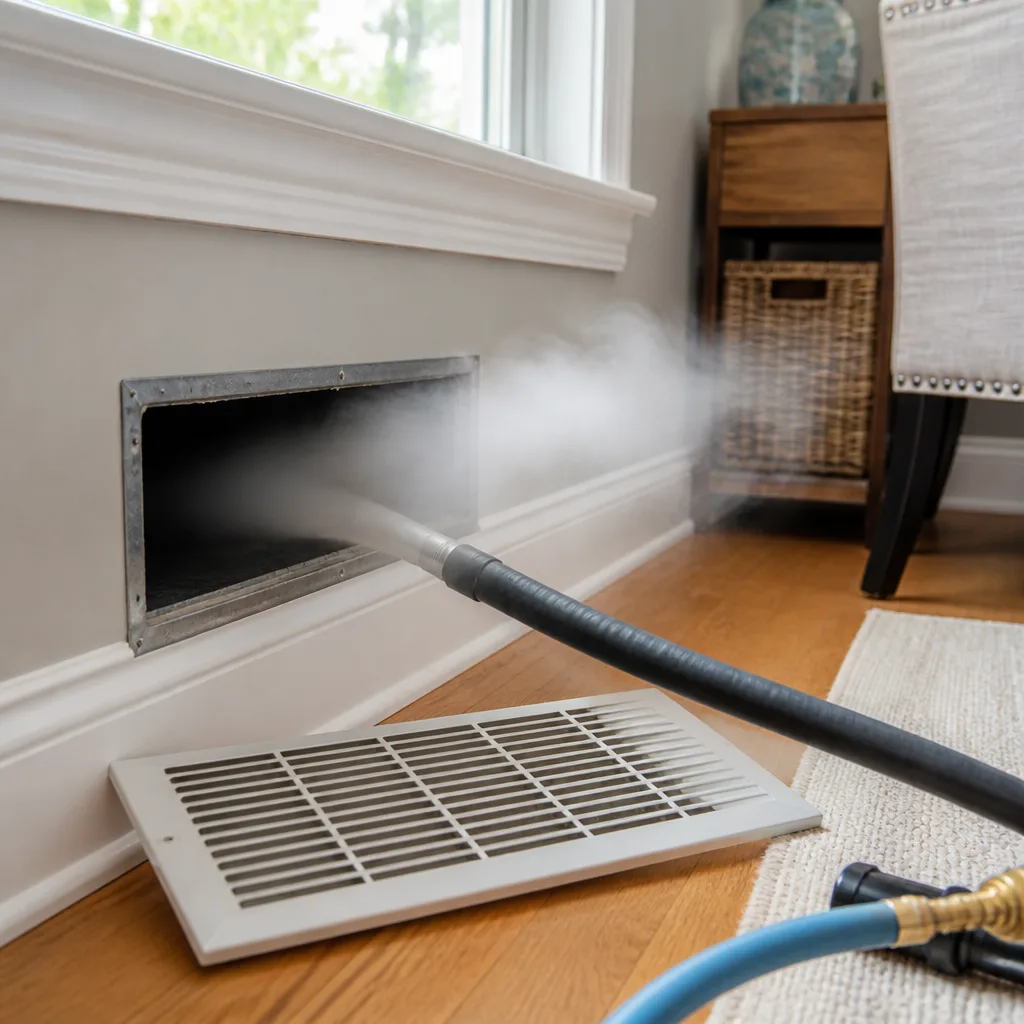 Sanitizing & deodorizing
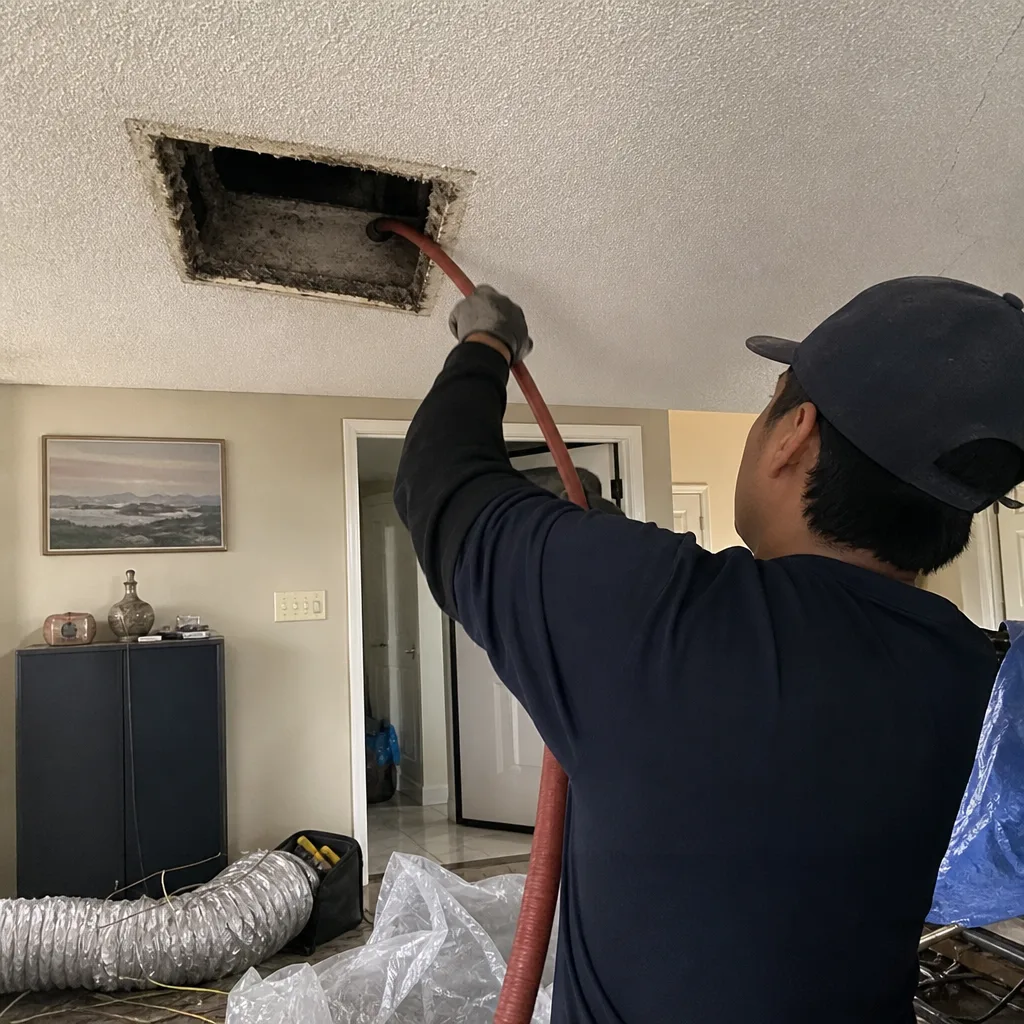
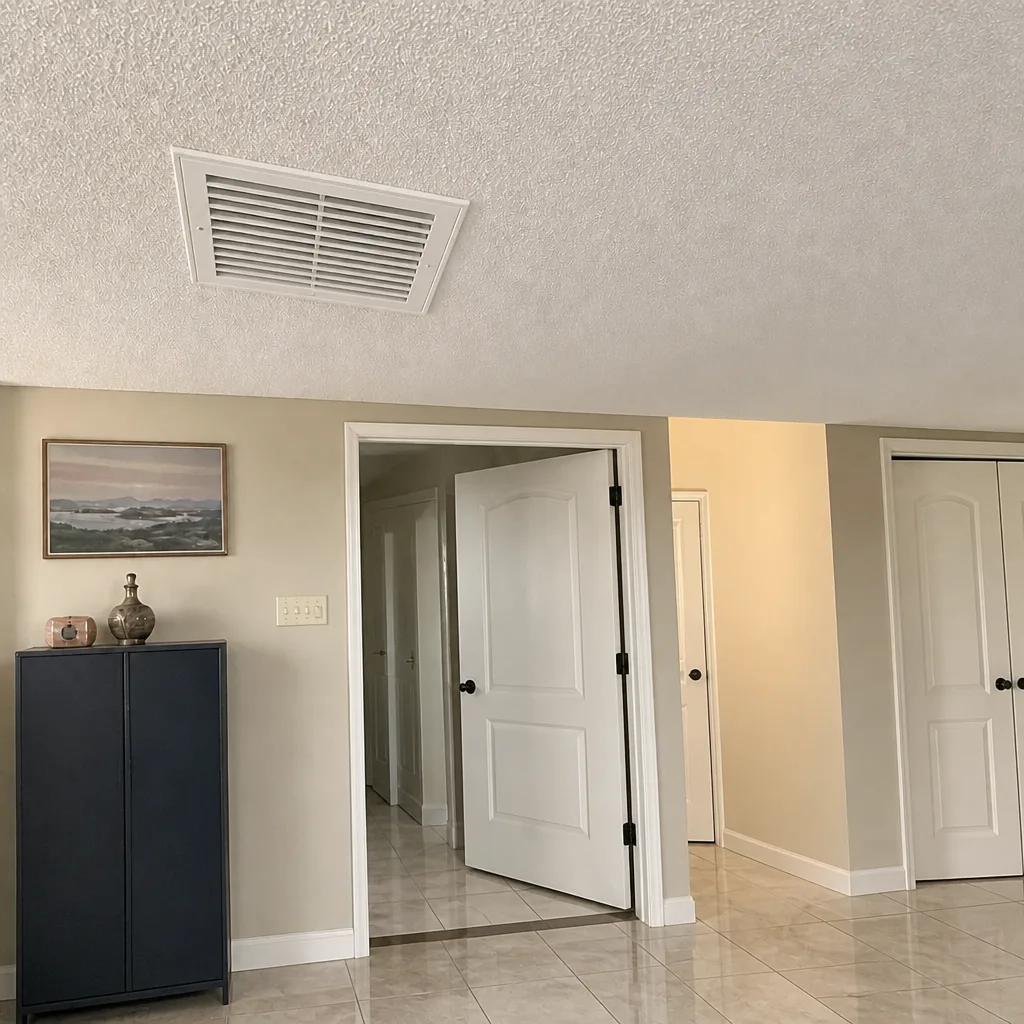
Whole-system duct and dryer vent check with before-and-after photos - you see exactly what came out of your vents
That "$99 whole-house special" is a bait ad - the real number appears once they are in your hallway, or the "clean" is a shop-vac at the register. We photograph the inside of your ducts before and after instead.
Air Duct Cleaning Permits, Codes & Inspections in Vermont Vista, CA: What You Need to Know
Most homeowners in Vermont Vista assume that if a contractor modifies their ducts, the contractor handled whatever permits were needed. That assumption is what gets people into trouble. The line between cleaning, which is nearly always permit-exempt, and repair or modification, which frequently is not, sits exactly where unscrupulous or uninformed contractors blur it. This guide draws that line clearly so you know what requires paperwork, what does not, what documentation to keep, and how to verify that any work performed on your HVAC system will not come back to haunt you during a future home sale or insurance claim. We will cover California mechanical code requirements, how Los Angeles County enforces them in Vermont Vista, and how Title 24 ties into ductwork that gets disturbed during what was supposed to be a routine cleaning.
Styles & brands we work with
- Whole-home duct cleaning
- Dryer vent cleaning
- Camera inspection
- Sanitizing & deodorizing
Quick Answer
Plain air duct cleaning, where debris is removed and no ductwork is altered, replaced, or structurally modified, does not require a permit anywhere in Vermont Vista or greater Los Angeles County. However, duct repair, duct sealing that involves mastic or tape application as a code-recognized measure, and any access modification like adding a new access panel or cutting into existing ductwork generally triggers California mechanical permit requirements under the California Mechanical Code. Homeowners should treat cleaning and modification as two separate legal categories and demand documentation for anything in the second category.
Table of Contents
- Permit-Exempt vs. Permit-Required: Where the Line Actually Is
- What the California Mechanical Code Says About Ductwork
- How Title 24 and Duct Sealing Rules Apply to Cleaning Jobs
- How Los Angeles County Enforces Duct Permits in Vermont Vista
- What Documentation You Should Keep After Any Duct Service
- Step-by-Step: How to Verify a Contractor Actually Pulled the Permit
- Common Mistakes to Avoid
- When to Call a Professional
- Frequently Asked Questions
- The Bottom Line
Permit-Exempt vs. Permit-Required: Where the Line Actually Is
Let us be precise about what air duct cleaning actually involves. Our air duct cleaning work uses rotary brush systems like Rotobrush and negative-air extraction equipment like Nikro to mechanically agitate and remove accumulated dust, debris, and microbial growth from the interior surfaces of your ductwork. The ducts themselves are not cut, disconnected, replaced, or structurally altered during a standard cleaning. This distinction matters because it is the entire basis for whether a permit is required.
Permit-exempt activities, as treated by Los Angeles County building departments, include:
- Removal of loose debris and dust from duct interiors using brush agitation and vacuum extraction
- Visual inspection of duct interiors through existing access points
- Cleaning of registers, grilles, and vent covers that can be removed and reinstalled without alteration
- Dryer vent cleaning, which involves clearing lint from an exhaust pathway but does not modify the vent structure itself
Permit-required activities, under the California Mechanical Code, include:
- Replacement of any duct section, including flexible duct runs that have collapsed or deteriorated
- Duct sealing performed as a code-compliance measure, where mastic or approved tape is applied to achieve specific leakage standards under Title 24
- Addition of access panels or cutting into ductwork to create new inspection or cleaning points
- Modification of duct sizing, routing, or connections to accommodate new equipment or repair airflow problems
- Reconnection of ducts that have become detached at joints or plenums, when the reconnection requires mechanical fastening or sealing
The practical takeaway for Vermont Vista homeowners: if a technician pulls off a vent cover and runs a brush through the duct, that is cleaning. If they take out a knife and cut into the duct, replace a section, or start applying mastic to seal leaks, you have crossed into modification territory, and that work should be permitted.
What the California Mechanical Code Says About Ductwork
California operates under the California Mechanical Code, which is based on the Uniform Mechanical Code but includes state-specific amendments. The code treats air ducts as part of a building’s mechanical system, and any installation, alteration, repair, or replacement of mechanical system components generally requires a permit. The relevant section is straightforward: you cannot install, alter, or repair mechanical systems, including ductwork, without first obtaining a permit from the authority having jurisdiction.
What confuses Vermont Vista homeowners is that replacement and alteration are not the same as maintenance. The code distinguishes between maintenance, which keeps a system in its original condition, and alteration, which changes or restores a system after failure. Replacing a collapsed piece of flex duct is an alteration. Adding a new access panel is an alteration. Applying mastic to a leaking joint for code-required sealing is an alteration. None of these fall under the maintenance exemption.
In our experience working across Vermont Vista, the most common permit trigger we see is actually in older homes built in the 1970s and 1980s. Those systems used aluminum tape on duct joints that has since dried out and failed. When a cleaning company encounters this during a routine visit and offers to reseal the joints, that sealing work is exactly the kind of activity the code contemplates when it says permits are required for mechanical alterations. The cleaning company may not mention the permit because the repair looks minor. But the code does not care how minor the repair looks.
If you are having ducts cleaned and the technician recommends further work, ask directly: will that work be permitted? If the answer is no, or if the question is dodged, that is your signal to stop and get a second opinion from a contractor who understands the difference.
How Title 24 and Duct Sealing Rules Apply to Cleaning Jobs
California’s Title 24 energy code contains specific duct leakage testing and sealing requirements that apply when ductwork is installed, altered, or replaced. This is where the term “duct sealing” gets genuinely confusing for homeowners. A cleaning company might say they offer duct sealing as part of their service. What do they mean? They might mean they apply mastic to visible joints to stop air loss. They might mean they spray an aerosolized sealant into the system. Or they might mean something much less rigorous: a visual check and maybe some tape over an obvious gap.
In a code context, duct sealing under Title 24 means achieving a measurable reduction in duct leakage, typically verified by a duct leakage test, using approved mastic or tape products applied per manufacturer specifications and code standards. That kind of sealing is not a cleaning service. It is an alteration. In Los Angeles County, it is expected to be done under permit and tested.
What a cleaning company means when they casually offer “duct sealing” is often much simpler and may not comply with Title 24 at all. The distinction matters because if you are selling your home in Vermont Vista and the buyer’s inspector finds evidence of unpermitted duct sealing work, you may be asked to prove that the work meets current code. If you cannot prove it, you may be asked to have it corrected at your expense before escrow closes. This is not hypothetical. Los Angeles County has a large inventory of older homes, a competitive resale market, and sophisticated home inspectors who know exactly what to look for.
Our position at Rivermark Air Duct Cleaning is that duct sealing and duct repair are separate from duct cleaning. We offer dryer vent cleaning and duct cleaning, and we also do duct repair when needed. When our technicians identify sealing or repair work that would trigger a permit, we say so clearly before any work begins.
How Los Angeles County Enforces Duct Permits in Vermont Vista
Vermont Vista is an unincorporated community in Los Angeles County that falls under the permitting authority of the Los Angeles County Department of Building and Safety. This matters because enforcement practices can differ from incorporated cities nearby. County building departments have been more aggressive in recent years about flagging unpermitted mechanical work when they encounter it during inspections of other permitted projects, during property transfer inspections, and in response to complaints.
What a homeowner in Vermont Vista should understand is that enforcement is rarely proactive for duct work specifically. A county inspector will not usually knock on your door because someone applied mastic to a duct joint without a permit. Enforcement happens when the work gets discovered. And discovery most often happens during escrow, when a buyer’s inspector sees fresh mastic, new flex duct, or a new access panel and asks for documentation. At that point, the seller is negotiating from a weak position.
Los Angeles County also requires permits to be pulled by a properly licensed contractor for mechanical work. If your handyman or cleaning company performs permit-required duct repair and later claims they were just doing maintenance, the county will not protect you. The burden of compliance falls on the property owner. For a Vermont Vista homeowner, the practical rule is this: if the work involves cutting, replacing, reconnecting, or sealing ductwork, insist on a permit pulled by a licensed contractor.
The climate here also plays a role in how often ducts need work. South Los Angeles gets hot summers, and air conditioning runs hard from June through October. Ducts in unconditioned attics expand and contract. Joints flex. Old tape fails. Flex duct gets brittle. When a system runs that hard for that many years, duct deterioration is normal. And when the deterioration is severe enough to need repair, the repair is exactly the kind of work that the building code wants permits for.
What Documentation You Should Keep After Any Duct Service
Most homeowners in Vermont Vista do not think about documentation until they need it, and by then the contractor has left and the paperwork is either thin or nonexistent. You should treat any duct service that involves physical modification the way you would treat a roof replacement or a panel upgrade: get it in writing, with specificity, and file it.
Here is what we recommend you retain after any duct service:
- A written scope of work that describes exactly what was done, including brands of materials used if any were
- Before-and-after photos of the ductwork, especially at any point where repair or sealing was performed
- The permit number and inspection sign-off for any work that required a permit, confirming final inspection status
- The contractor’s license number, so you can verify the license with the California Contractors State License Board at a later date
- A dated invoice that lists the specific services performed, separated by category: cleaning, repair, sealing, replacement
- Any test results, such as duct leakage measurements, that were produced as part of the work
We carry professional-grade equipment from brands like Nikro and Guardsman specifically because we want every job to be documented to a standard that survives scrutiny. That standard matters when a buyer’s inspector asks to see proof that the duct system in a Vermont Vista home was properly maintained and repaired.
Step-by-Step: How to Verify a Contractor Actually Pulled the Permit
You hired someone to repair your ducts. They said they pulled a permit. How do you know that is true? Vermont Vista homeowners should not rely on a verbal assurance. Here is the verification process, step by step.
- Ask for the permit number before work begins. A legitimate contractor who has pulled a permit will have the number in their system. If they say the permit is “in process” and want to start work anyway, stop. Work done before permit issuance is unpermitted work.
- Check the Los Angeles County Department of Building and Safety permit lookup. The county maintains an online permit search tool. Enter the address to see open permits. If nothing appears for your address and the contractor claims a permit exists, ask for the issuing office’s paper record.
- Confirm the permit scope matches the work. A permit for a water heater replacement is not a permit for duct replacement. Read the permit description. It should say mechanical, HVAC, or duct work specifically.
- After the work is complete, confirm the final inspection was scheduled and passed. An open permit that was never closed can be as problematic as no permit at all. Ask to see the final inspection sign-off from the county.
- Request a copy of everything. Permits, inspection records, contractor license information, scope of work, and receipts belong in your home files. You will want them at resale.
If a contractor is evasive about any of these steps, do not let them work on your ducts. The risk is simply not worth it. A permit that should have been pulled but was not becomes the homeowner’s problem, not the contractor’s. The contractor can disappear. The unpermitted work stays with the house.
Common Mistakes to Avoid
- Assuming all duct work is the same. Cleaning and modification are legally distinct in California. Treating them as interchangeable is how homeowners end up with unpermitted work they did not even know needed a permit.
- Trusting a verbal assurance that a permit was pulled. If you cannot verify it through the county and do not have it in writing, you do not have a permit. Verbal assurances do not survive an escrow dispute.
- Letting a handyman perform duct repair during a cleaning visit. In our experience across Vermont Vista, this is the single most common source of unpermitted mechanical work. The repair gets bundled into a cleaning, the homeowner does not question it, and two years later an inspector does.
- Confusing a cleaning company’s “sealing” with Title 24 duct sealing. These are not always the same service. If you need code-compliant duct sealing for an energy audit or a home sale, make sure the contractor can produce test results, not just a photo of mastic.
- Not retaining documentation. Homeowners underestimate how often they will need proof of HVAC work. Insurance adjusters, home inspectors, and escrow officials ask for documentation more often than you would think.
- Choosing the cheapest quote without asking about permits. A contractor who is not pulling permits can often bid lower because permits and inspections add cost. That lower bid becomes your liability later.
When to Call a Professional
If your ducts have never been cleaned, or if a recent renovation pushed drywall dust and construction debris through your system, a professional cleaning is the right first step. If during that cleaning, or during a visual inspection, you discover damaged, disconnected, or deteriorated ductwork, that repair should be handled by someone who understands California Mechanical Code requirements and who will be transparent about whether a permit is needed. What you do not want is a cleaning-only operator who patches problems on the spot, without documentation, and calls it done. Rivermark Air Duct Cleaning offers free estimates in Vermont Vista – call (833) 620-6973 for an honest assessment of what your system needs and whether any of it requires a permit. We answer 24/7. Fast dispatch from 7am to 7pm, Sunday through Friday.
Frequently Asked Questions
No. Cleaning that removes debris from existing ductwork without altering, cutting, replacing, or structurally modifying the ducts does not require a permit in California. The moment the work crosses into repair, replacement, reconnection, or code-level sealing, it becomes mechanical alteration and a permit from the local building authority is generally required. Call (833) 620-6973 if you are not sure which category your project falls into – estimates are free.
Duct cleaning is maintenance and is permit-exempt. Duct repair, meaning replacing a damaged section, reconnecting a detached joint, or adding a new access panel, is an alteration under the California Mechanical Code and requires a permit. The distinction is about whether the physical duct system is changed, not about how dirty it is or how long the job takes.
Duct sealing performed as a Title 24 compliance measure, using mastic or approved tape to achieve specific leakage standards, is an alteration and is expected to be done under permit with testing in Los Angeles County. A cleaning company’s informal use of the term “sealing” may not meet this standard. Ask the contractor to clarify exactly what they mean and whether the work is tested and permitted.
Go to the Los Angeles County Department of Building and Safety online permit lookup, enter your property address, and look for an active or recently closed mechanical permit. The permit description should specifically reference HVAC or duct work. If you do not see a permit and the contractor claims one exists, ask for the paper record from the issuing office. Never close escrow without confirming the final inspection status.
It can. Buyers in Los Angeles County increasingly hire inspectors who specifically look for evidence of recent mechanical work, including fresh mastic, new flex duct, and added access panels. If that work has no permit history, the seller may be required to have it re-inspected and documented by a licensed contractor before the sale can close, at the seller’s expense.
First, stop any further work. Second, document everything: photos, invoices, any written communications. Third, consult a licensed mechanical contractor who can assess whether the work should have been permitted and what it would take to bring it into compliance. You may also contact the Los Angeles County Department of Building and Safety for guidance on how to handle unpermitted mechanical work at your property. For an honest second opinion, call (833) 620-6973 – we answer 24/7 and will tell you plainly whether the work needs a permit.
The Bottom Line
Air duct cleaning in Vermont Vista does not require a permit. Duct repair, duct sealing as a code-level measure, and any modification that alters the physical ductwork absolutely can. The problem is that cleaning companies and handymen blur this line every day, and California homeowners end up holding unpermitted mechanical work that surfaces during escrow or insurance review. The fix is simple: understand the distinction, ask the right questions before work begins, require documentation, and verify permits through Los Angeles County. When we clean ducts, we identify repair needs and tell you plainly whether a permit is involved before anything gets altered. That is how it should work for every homeowner in Vermont Vista.
Written by the team at Rivermark Air Duct Cleaning, serving Vermont Vista since 2014.
See the difference
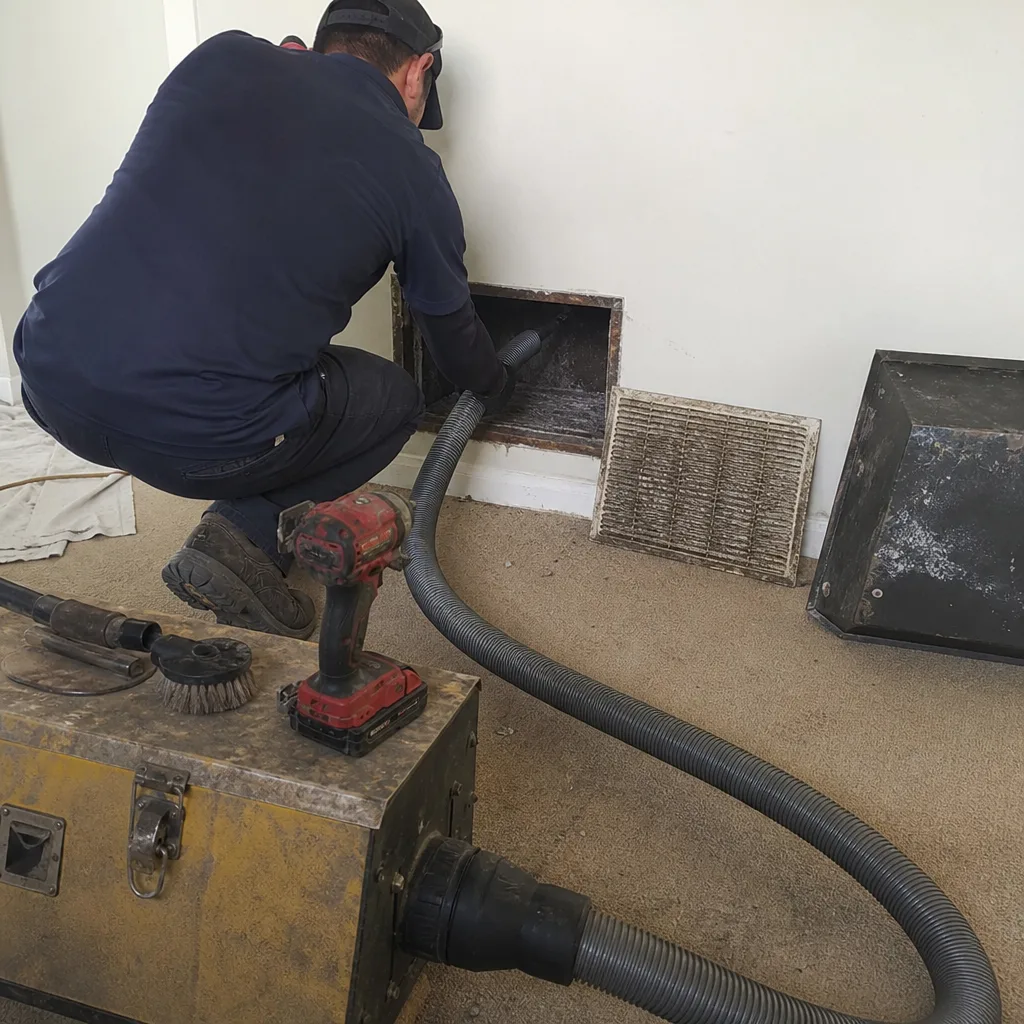 Before
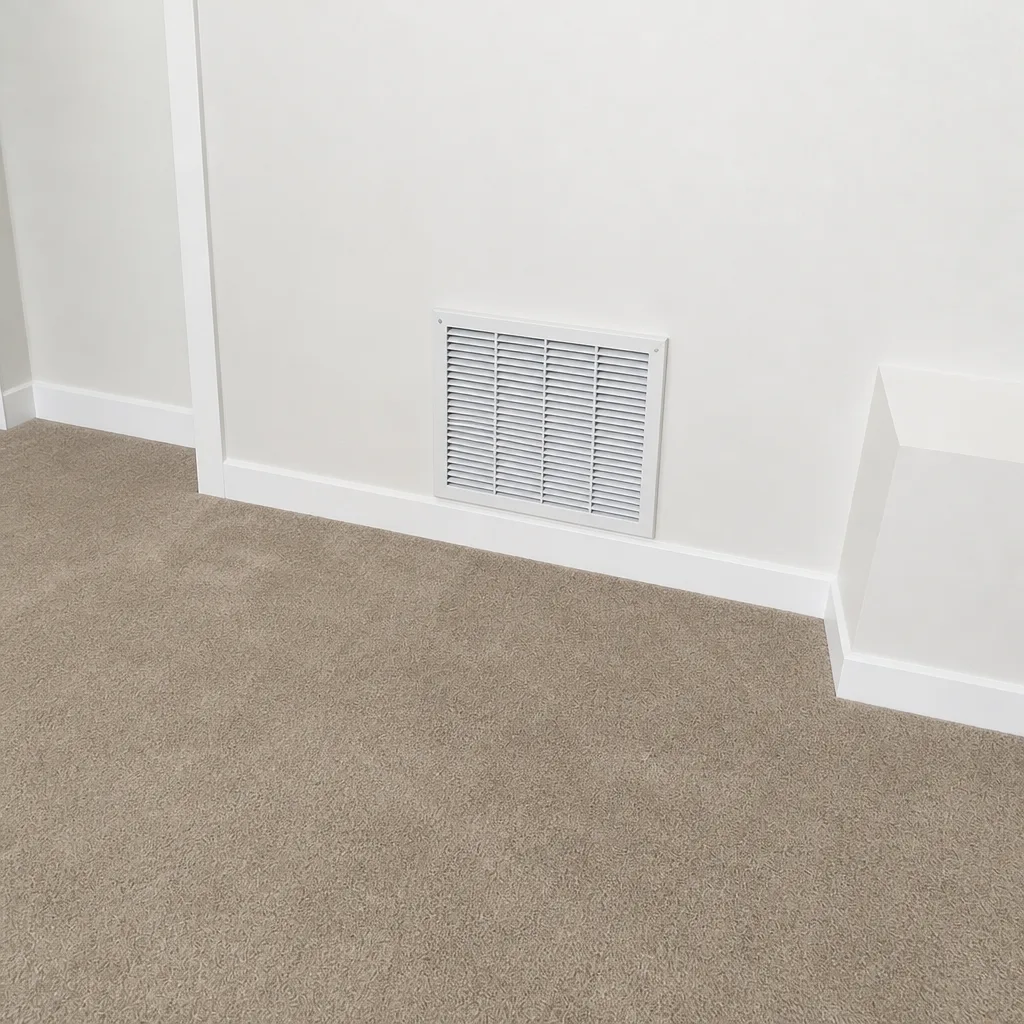 After
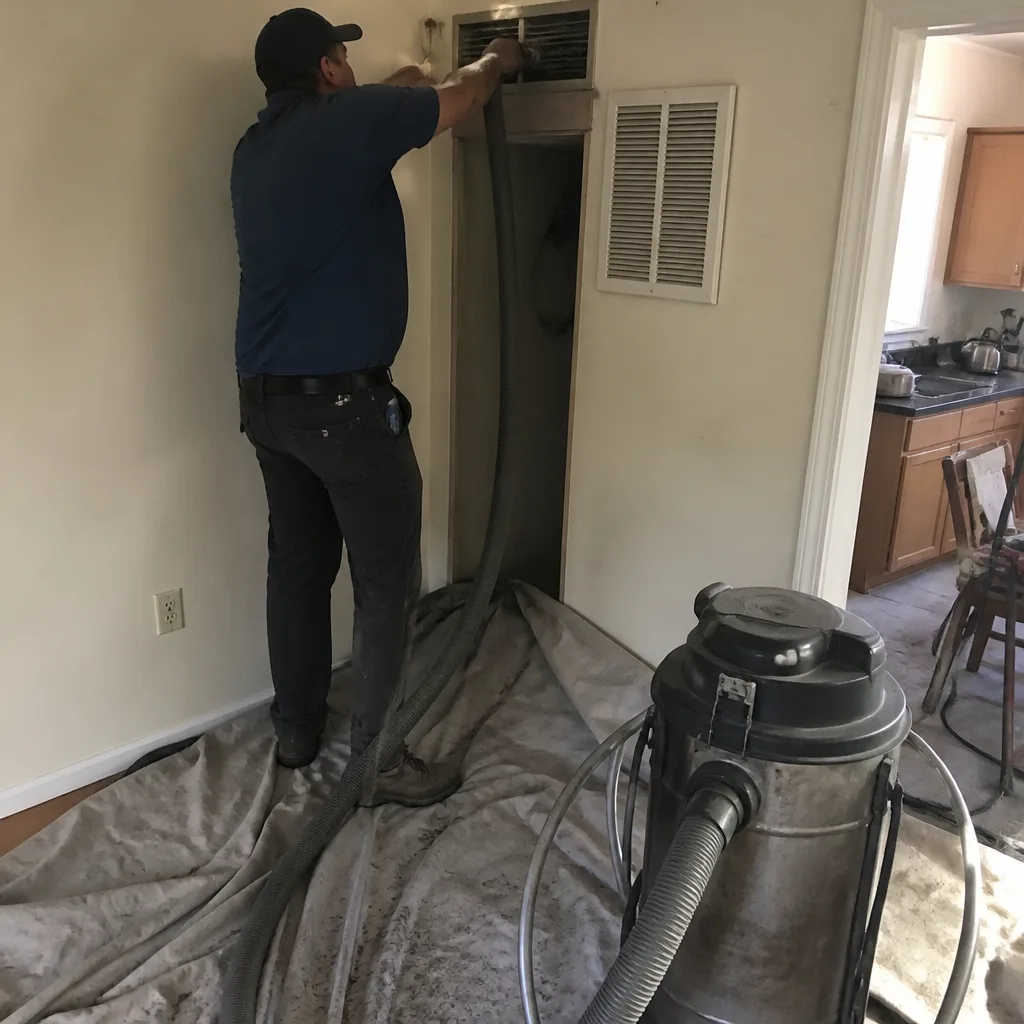 Before
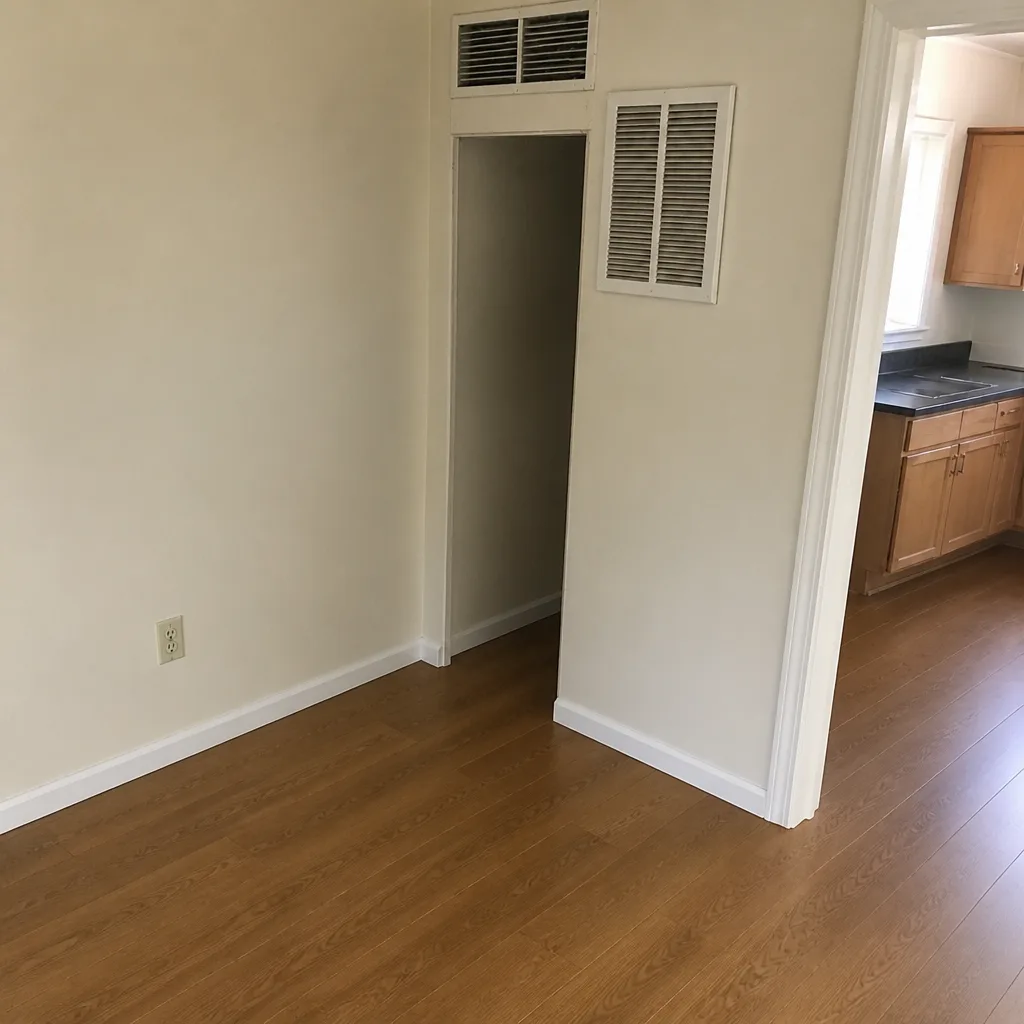 After
 Before
 After