
Last updated November 4, 2026
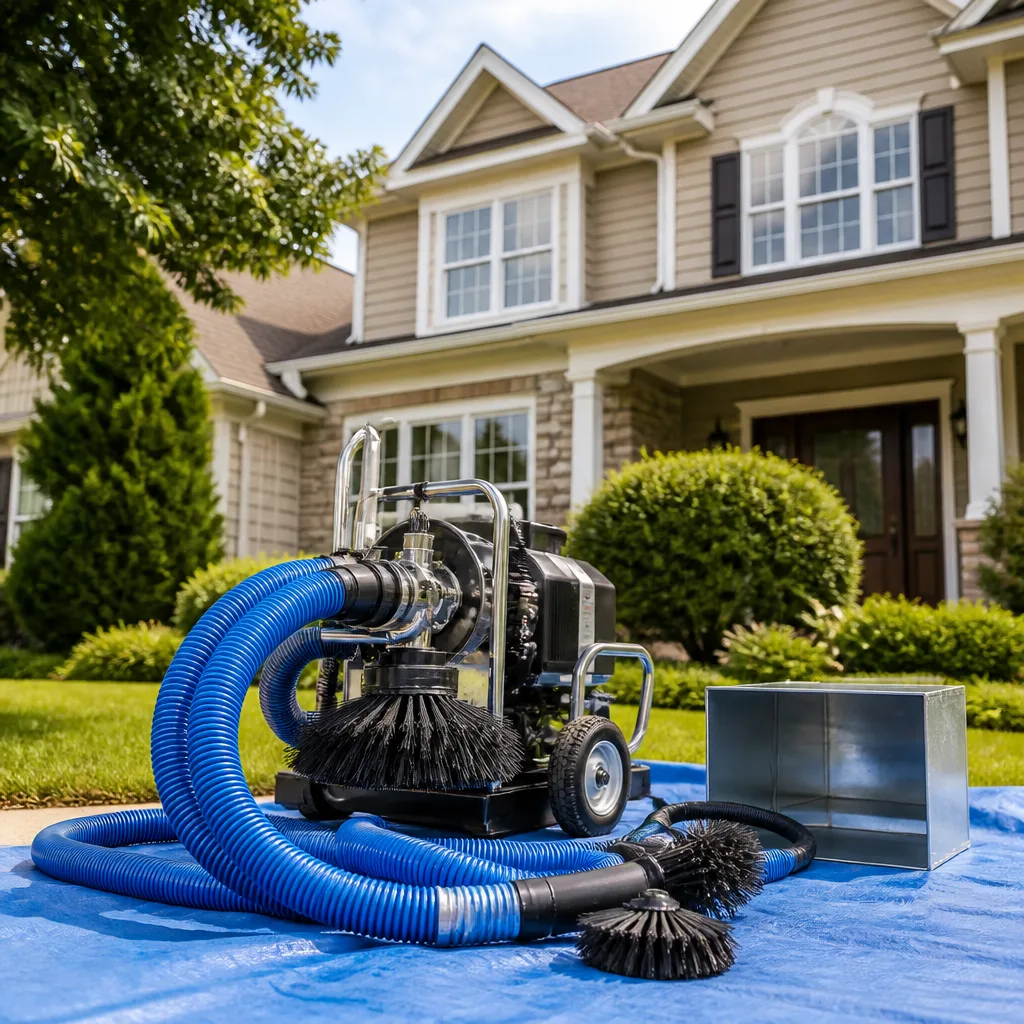 Whole-home duct cleaning
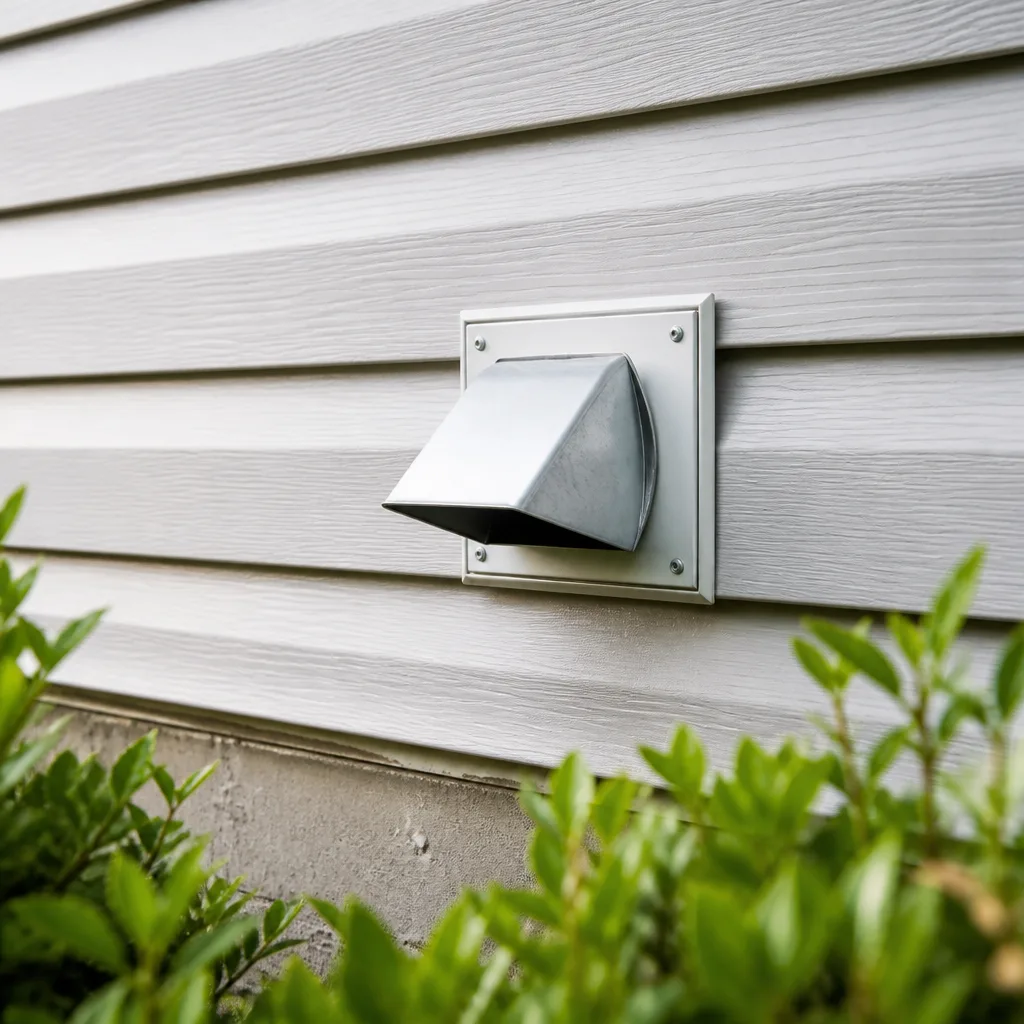 Dryer vent cleaning
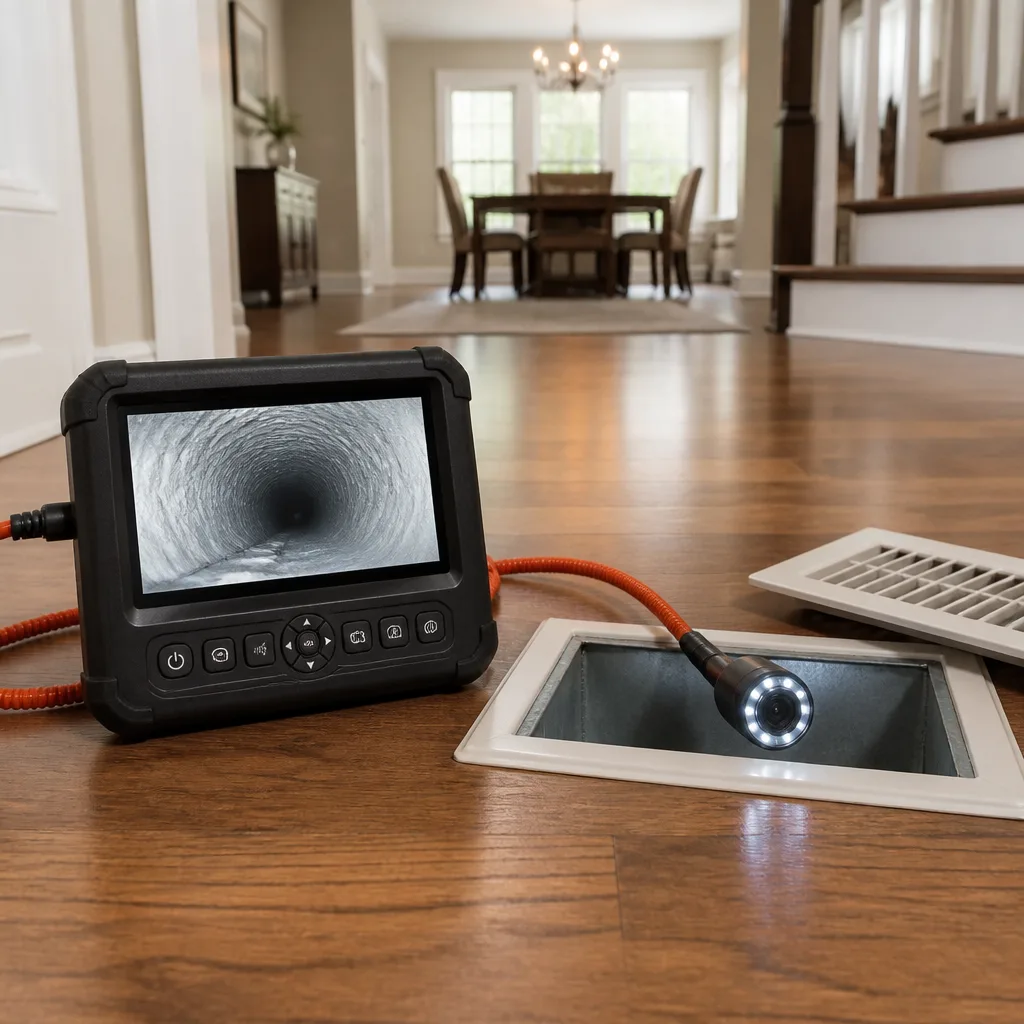 Camera inspection
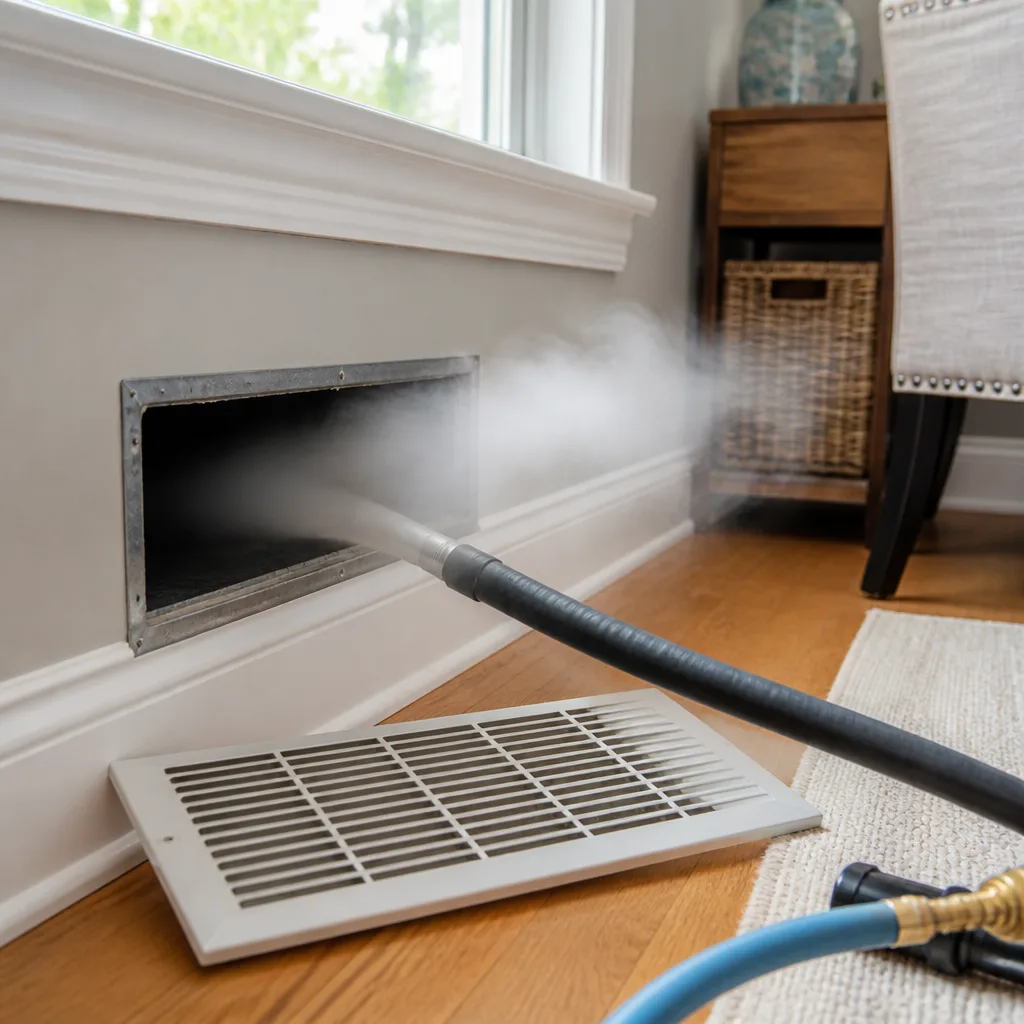 Sanitizing & deodorizing
Whole-system duct and dryer vent check with before-and-after photos - you see exactly what came out of your vents
That "$99 whole-house special" is a bait ad - the real number appears once they are in your hallway, or the "clean" is a shop-vac at the register. We photograph the inside of your ducts before and after instead.
Air Duct Cleaning Emergency Preparedness Guide for Vermont Vista Homes
Most Vermont Vista homeowners think about their ductwork exactly once: when the HVAC starts blowing dust or a renovation coats the house in drywall powder. That reactive approach works fine for everyday dust. It fails badly during an air quality emergency. During the 2020 wildfire season, AQI in parts of the Los Angeles region exceeded 200 for multiple consecutive days, and many people ran their systems the entire time without upgrading filtration. That decision pushed fine particulate deep into return ducts, supply trunks, and branch lines where standard cleaning protocols don’t reach. This guide explains what to do in the first hours of an air quality event, how smoke particulate behaves differently from household dust, when to call for professional assessment, and how to document contamination properly. If you own a home here, you need a plan before the next smoke event arrives.
Quick Answer
Air duct cleaning after a wildfire smoke event in Vermont Vista should happen only after the outdoor air quality has stabilized, typically within one to two weeks of the event. In the first 24 hours, set your HVAC fan to “ON” with a MERV 13 or higher filter installed, and seal off rooms you don’t need. A professional assessment is warranted when you see visible soot around supply registers, smell smoke when the system runs, or have documented indoor PM2.5 readings above 35 µg/m³ for more than 48 consecutive hours.
Styles & brands we work with
- Whole-home duct cleaning
- Dryer vent cleaning
- Camera inspection
- Sanitizing & deodorizing
Table of Contents
- What to Do in the First 24 Hours
- Why Wildfire Smoke Particulate Is Different from Household Dust
- Post-Event Inspection Protocol
- When to Call Immediately vs. When to Wait and Filter
- Documenting Duct Contamination for Insurance
- HVAC Operating Decisions During an Air Quality Emergency
- What Professional Remediation Actually Involves
- Common Mistakes to Avoid
- When to Call a Professional
What to Do in the First 24 Hours
The decisions you make in the first day of a smoke event determine how much particulate ends up inside your duct system. Most of it is avoidable. Follow these steps in order.
First, check the current AQI for Vermont Vista using a reliable source like AirNow or your phone’s weather app. If the AQI is above 150, treat your home as if it is under active particulate loading. That means every hour your system pulls outdoor air through a low-grade filter, it deposits more material inside the ductwork.
Second, change your HVAC filter immediately if it is not already MERV 13. The standard fiberglass filters many homes run are MERV 4 or lower. They stop large dust and hair. They do almost nothing against PM2.5, which is the particle size that wildfire smoke delivers in enormous quantities. A MERV 13 filter captures roughly 85% of PM2.5 on a single pass. It is the minimum you should run during any smoke event.
Third, set your thermostat fan from “AUTO” to “ON.” This sounds counterintuitive, but continuous airflow through a good filter removes particulate from indoor air far faster than intermittent cycling. The system becomes a whole-house air scrubber. The tradeoff is that more air moves through the ductwork, which means the ducts themselves see more particulate pass through. That is acceptable during the event if you have adequate filtration. It becomes a problem only if you run the fan continuously with a poor filter.
Fourth, close all windows and exterior doors. If you have a window AC unit, do not run it unless it has a fresh filter and a closed fresh-air damper. Window units pull outdoor air directly into the room without meaningful filtration, and that air enters the home and eventually gets drawn into the central return.
Fifth, avoid any activity that generates indoor particulate during the event. That includes running the vacuum without a HEPA filter, burning candles, cooking on high heat without the range hood, and operating fireplaces. You are already dealing with outdoor particulate loading. Adding indoor sources compounds the problem and makes post-event cleaning more difficult.
For Vermont Vista specifically, the local topography can trap smoke in the basin for days after the primary fire is controlled. Don’t assume the event is over when the sky looks clearer. Check the AQI numbers and watch the trend over 48 hours before resuming normal ventilation.
Why Wildfire Smoke Particulate Is Different from Household Dust
Household dust in ductwork is mostly predictable: skin cells, textile fibers, pet dander, tracked-in soil, and insect debris. It accumulates gradually, it is relatively large, and it responds well to standard mechanical agitation and negative-air extraction. Wildfire smoke particulate is a different material entirely.
PM2.5 particles are 2.5 microns or smaller. For scale, a human hair is about 70 microns wide. These particles are small enough to remain suspended in air for weeks and small enough to penetrate deep into lung tissue when inhaled. Ultrafine particles, the PM0.1 fraction, are smaller still and behave almost like a gas. They don’t settle out of the air easily, which means they don’t settle into the dust layer on the bottom of a duct the way household dust does.
What actually happens inside your ducts during a smoke event is that these fine particles deposit electrostatically on duct walls, especially on the downstream side of coils, dampers, and elbows where airflow changes direction. That deposition pattern is different from the gravitational settling you see with household dust. It creates a fine, greasy film in some cases, particularly when the smoke carries volatile organic compounds that condense on cooler duct surfaces.
That film does not respond well to a simple vacuum pass. It requires mechanical agitation with a rotary brush system to break the electrostatic bond and lift the film, followed by negative-air extraction to pull the released particulate out of the system rather than blowing it into the living space. This is one reason we run professional-grade Rotobrush rotary brush equipment and Nikro negative-air systems rather than consumer-grade shop vacs. The physics of fine particulate removal are not negotiable with lesser tools.
Smoke particulate also infiltrates areas of the home that normal dust never reaches. It gets into insulation inside the duct runs, collects on blower motor blades, and coats the evaporator coil with a fine film that reduces heat transfer efficiency. If you have a newer HVAC system in Vermont Vista, that coil fouling translates to higher energy use and reduced cooling capacity during the warm season.
We’ve seen homes where the visible duct interiors looked acceptable but the coil and blower assembly carried a measurable smoke film that kept the system smelling like a campfire for months. That’s the difference between cleaning ducts and remediating a smoke event properly. It requires opening the system, inspecting the components, and cleaning what is actually contaminated.
Post-Event Inspection Protocol
Before you resume normal HVAC operation after a smoke or contamination event, work through this checklist. It takes about 20 minutes and tells you whether you need professional help or whether your existing filtration can handle the residual load.
- Check the filter. Pull the filter and hold it up to a light. If it is dark gray or black, the system has been processing significant particulate. Replace it. If it is saturated with oily residue rather than dry dust, that indicates VOC deposition and likely means the coil and duct walls carry the same film.
- Inspect supply registers. Remove two or three supply registers in different rooms. Look at the inside of the register boot and the first few inches of the duct. Visible soot streaks or a gray film on the metal is a strong indicator of smoke deposition. Wipe with a white cloth. If the cloth comes away gray or black, the contamination is in the system.
- Check the return side. Return ducts see higher airflow velocity and more particulate loading than supply runs. Inspect the return grille and the duct immediately behind it. This is typically the most contaminated section after a smoke event.
- Look at the blower motor. If you are comfortable removing the blower access panel, shine a flashlight on the blower wheel fins. A smoke film here is a red flag. If you are not comfortable accessing the blower compartment, this is a point where professional inspection makes sense.
- Check the evaporator coil. The coil sits in the airstream and acts as a filter for anything that gets past the main filter. After a smoke event, coil fouling is common. This requires professional cleaning if it is visible, and it is not a DIY project on most systems.
- Assess indoor air quality. If you have a PM2.5 monitor, take readings in two or three rooms with the HVAC off, then with it running. If indoor PM2.5 exceeds 35 µg/m³ with the system running after the outdoor AQI has dropped below 50, the system is likely re-entraining deposited particulate and blowing it through the house.
If items 2, 3, or 4 show visible soot or film, call a professional before spending money on more filters or air purifiers. Those measures address airborne particulate but do nothing for what is already deposited inside the system.
When to Call Immediately vs. When to Wait and Filter
Not every smoke event requires professional duct cleaning. The decision depends on duration of exposure, filter condition during the event, and what you find during inspection. Here is a practical framework.
Call immediately when:
- You see visible soot deposits around supply registers or on walls near return grilles.
- The system smells strongly of smoke when running, even after replacing the filter and cleaning the registers.
- Any member of the household has respiratory symptoms that worsen when the HVAC runs: coughing, wheezing, throat irritation, or asthma flare-ups.
- Your filter was MERV 8 or lower during a multi-day smoke event with AQI above 150. That combination deposits significant particulate in the system.
- You had windows or doors open during the peak of the smoke event. The unfiltered air that entered went directly into the return system.
- A renovation project during the event added drywall dust or demolition debris on top of the smoke loading.
An interim response of increased filtration and monitoring is appropriate when:
- The smoke event was short, under 48 hours at AQI above 150.
- Your filter was MERV 13 or higher throughout the event.
- Post-event inspection shows no visible soot or film.
- Indoor PM2.5 readings drop below 10 µg/m³ when the system runs.
- No one in the home is experiencing respiratory symptoms.
If you fall into the interim category, run a MERV 13 filter continuously for 30 days, then re-inspect. If the filter loads up quickly during that period, the system is still working through residual particulate. If it loads again after a second replacement, professional cleaning is likely needed. The system is re-entraining what it deposited during the event.
For permanent filtration improvements after a smoke event, homeowners in Vermont Vista often add a dedicated media cabinet with a MERV 16 filter or an electronic air cleaner. We work with Honeywell and Aprilaire products for these upgrades, and the choice depends on your system’s static pressure capacity. Not every blower can handle high-efficiency media without airflow reduction.
Documenting Duct Contamination for Insurance
Homeowners insurance claims for smoke damage to duct systems are contentious. Insurers routinely ask the same questions: Was the contamination visible? Was it documented? Was it caused by a covered event or by deferred maintenance? Good documentation answers all three before the adjuster asks.
Start documenting during the event, not after. Take photos of the sky conditions and your indoor environment during the peak smoke. Save AQI readings with timestamps. Note the dates and duration of the event. This establishes that an external event occurred and that your home was exposed.
After the event, document everything you see. Photos of soot streaks around registers, the filter condition, and any visible film on accessible duct surfaces. Use the white cloth test and photograph the cloth next to a date marker. If you have a PM2.5 monitor, log readings with timestamps. These records create a timeline that is hard to dispute.
When you call for professional assessment, request a written report with photos. A professional inspection that documents soot deposition inside the duct runs, on the coil, and in the blower compartment is significantly stronger than your own photos of a register. Insurance adjusters give more weight to third-party documentation.
Keep all filter purchases and any professional service invoices from the period. If you ran the system continuously with a high-efficiency filter during the event, you can demonstrate that you took reasonable steps to mitigate contamination. That matters for the claim.
One note specific to smoke claims: don’t clean the system before the adjuster has reviewed the documentation. If you remove the evidence before it is documented by a third party, you weaken your position. Take photos, get the professional assessment, then proceed with cleaning.
HVAC Operating Decisions During an Air Quality Emergency
Your HVAC system is either your best tool or your biggest liability during a smoke event. The difference comes down to a few operating decisions.
Fan setting. Run the fan continuously rather than on auto. Intermittent operation allows particulate to settle in the ductwork between cycles. Continuous operation keeps it moving toward the filter. The filter captures what it can, and what it cannot capture remains airborne rather than depositing. A tradeoff exists, but continuous fan operation with a good filter produces better indoor air quality than cycling.
Filter selection. Use the highest MERV rating your system can handle. Most residential systems in Vermont Vista handle MERV 13 without measurable airflow degradation. MERV 16 media cabinets require a static pressure check before installation. Aprilaire makes media cabinets that fit many standard systems, and we handle those installations for clients who want permanent high-efficiency filtration.
Fresh air intake. If your system has a fresh air intake damper for ventilation, close it during the event. That damper is designed to bring outdoor air into the return stream. During a smoke event, it is actively importing particulate. Make sure you reopen it after the event, or your indoor air quality will degrade from inadequate ventilation.
Window units and portable ACs. These pull outdoor air through the unit and exhaust indoor air. During a smoke event, they should be off unless they are the only cooling option. If you must run one, close its fresh air damper and run a separate HEPA air purifier in the room to compensate for the particulate loading.
Zone systems. If your home has zoned HVAC, close off unused zones during the event. Less air volume means less particulate loading in the ductwork serving those zones. Reopen them after the event and reseal them if needed.
The goal is not to create a perfectly sealed home. That is not possible in most Vermont Vista construction. The goal is to minimize the particulate load that enters the duct system so that post-event remediation is less extensive and less expensive.
What Professional Remediation Actually Involves
Professional duct cleaning after a smoke event is not the same as routine duct cleaning. The protocol differs in several important ways.
First, the system gets inspected thoroughly before any cleaning begins. That means a visual check of every return, supply trunk, branch run, coil, and blower assembly. The inspection identifies where smoke film has deposited and whether any sections need air duct cleaning that goes beyond standard maintenance.
Second, mechanical agitation is essential. Smoke film bonds to duct walls in a way that loose dust never does. A rotary brush system like the Rotobrush equipment we run breaks that bond physically. Vacuum-only cleaning leaves the film in place, which means the smoke smell returns whenever the system runs. We clean it properly or we don’t clean it at all.
Third, negative-air containment matters. Nikro negative-air equipment keeps the ductwork under negative pressure during cleaning so that released particulate exits through the equipment rather than entering the living space. Without negative air, you are stirring up fine particulate and redistributing it through the house. That is a real difference between professional-grade equipment and the consumer alternatives.
Fourth, component cleaning is part of the job. The blower wheel, motor housing, evaporator coil, and drain pan all see smoke deposition. Cleaning the ducts while leaving these components coated in film produces a system that still smells like smoke. The coil, in particular, needs attention because it sits in the airstream and any film there affects efficiency and indoor air quality.
Fifth, dryer vent cleaning is relevant after smoke events too. If your dryer vents to the exterior, the vent line may have drawn in smoky air during the event. Lint accumulates moisture and binds with smoke particulate, creating a more combustible material. This is a fire-safety issue, not just a performance issue. We treat dryer vent cleaning as a dedicated service because it addresses a leading cause of residential fires, and after a smoke event the stakes are higher.
Finally, the system should be re-inspected after cleaning to verify the work. We show before-and-after photos so you can see what actually changed inside the ducts. If any section was too deteriorated to clean properly, the inspection identifies it, and we can discuss Rivermark Air Duct Cleaning repair options rather than leaving a compromised section in place.
Common Mistakes to Avoid
- Running the HVAC with a cheap filter during the event. A MERV 4 fiberglass filter offers almost no protection against PM2.5. Every hour the system runs, it deposits smoke particulate throughout the ductwork. This is the single most common and most costly mistake.
- Opening windows after the sky clears. Vermont Vista sits in a basin where smoke can linger at ground level even when the sky looks better. Check AQI readings before ventilating, not just visual conditions.
- Cleaning registers and calling it done. Visible soot at the registers means the same soot is deeper in the system. Cleaning the visible surfaces removes the only evidence without addressing the actual contamination.
- Using a shop vac on the duct interior. Consumer shop vacs lack the filtration and negative-air capability to handle smoke particulate. They often make things worse by dislodging material and blowing the finest particles into the living space.
- Replacing the furnace filter once and declaring the problem solved. A single filter change handles airborne particulate. It does nothing for what is already deposited on duct walls, coil surfaces, and the blower assembly.
- Filing an insurance claim without documentation. Without photos, AQI logs, and professional assessment records, smoke claims are routinely denied or underpaid. Documentation should begin during the event, not after it.
- Waiting months to address a persistent smoke smell. Smoke film becomes more difficult to remove as it cures on duct surfaces. What starts as a cleanable film can become a stubborn, baked-on layer that requires more aggressive remediation.
When to Call a Professional
Call for professional assessment when you see visible soot, smell smoke in the system after filter replacement, have respiratory symptoms tied to HVAC operation, or document indoor PM2.5 above 35 µg/m³ for more than 48 hours after outdoor air quality has improved. Also call if your system ran for multiple days at AQI above 150 with a filter below MERV 13. That combination reliably deposits enough material to justify professional cleaning. If you are in Vermont Vista and unsure whether your system needs attention, the cost of an inspection is small compared to the cost of running a contaminated system for a year. Call (833) 620-6973. We answer 24/7. Fast dispatch from 7am to 7pm, Sunday through Friday. We’ll assess the system honestly and tell you whether cleaning is warranted or whether improved filtration alone will handle it. Estimates are free.
See the difference
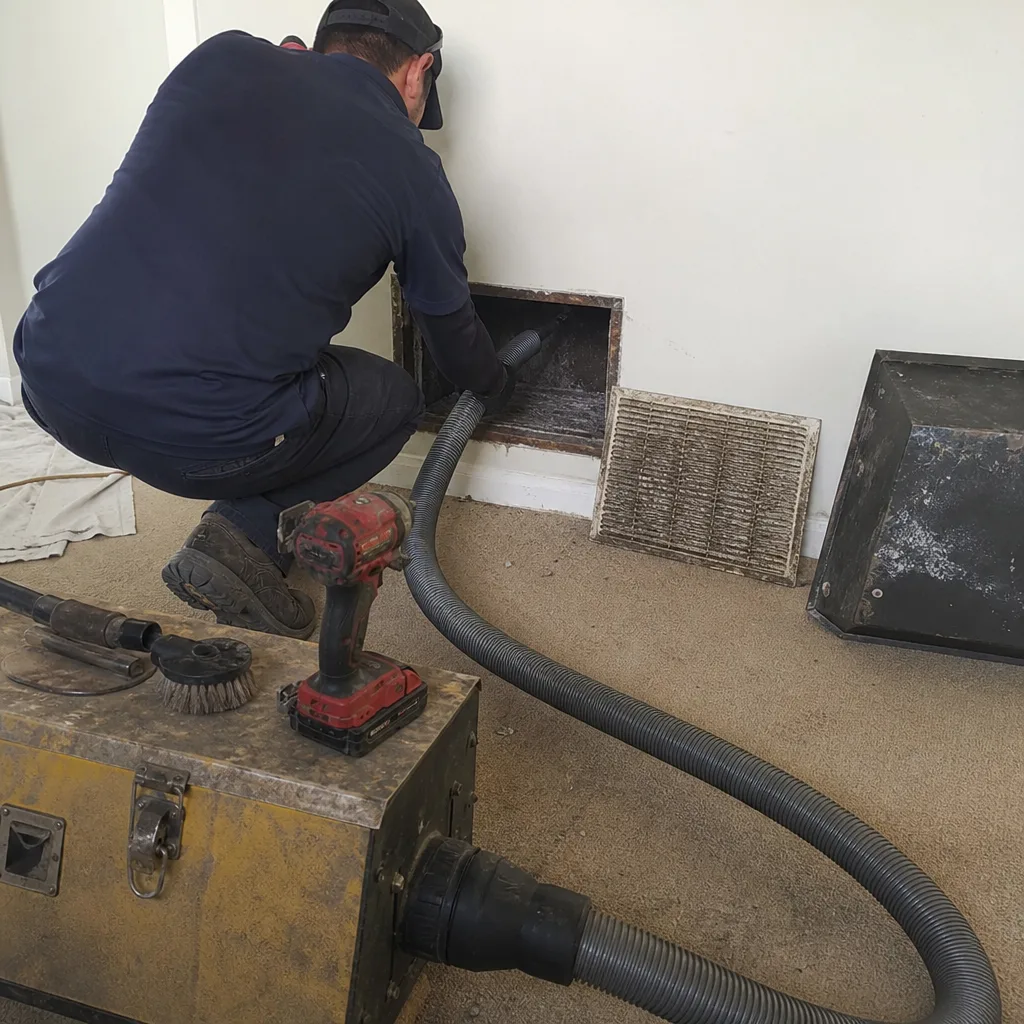 Before
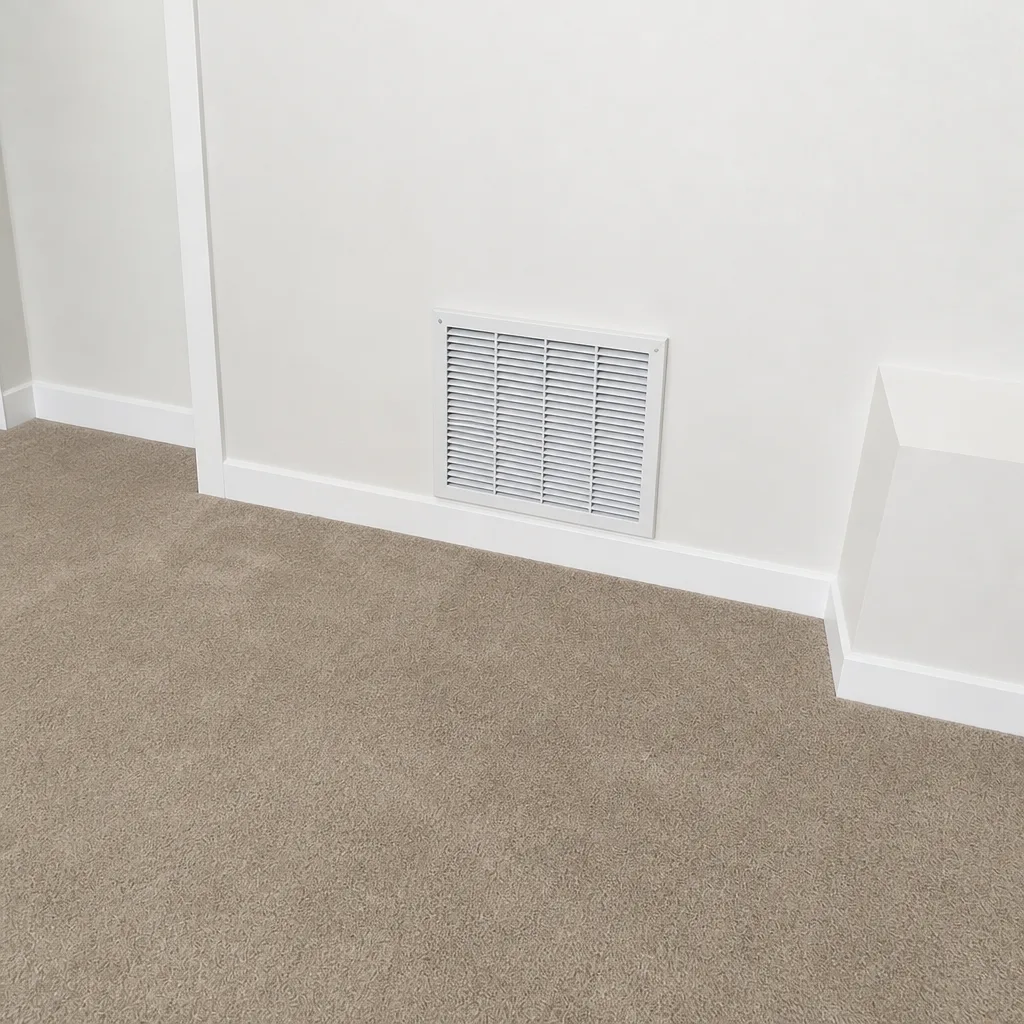 After
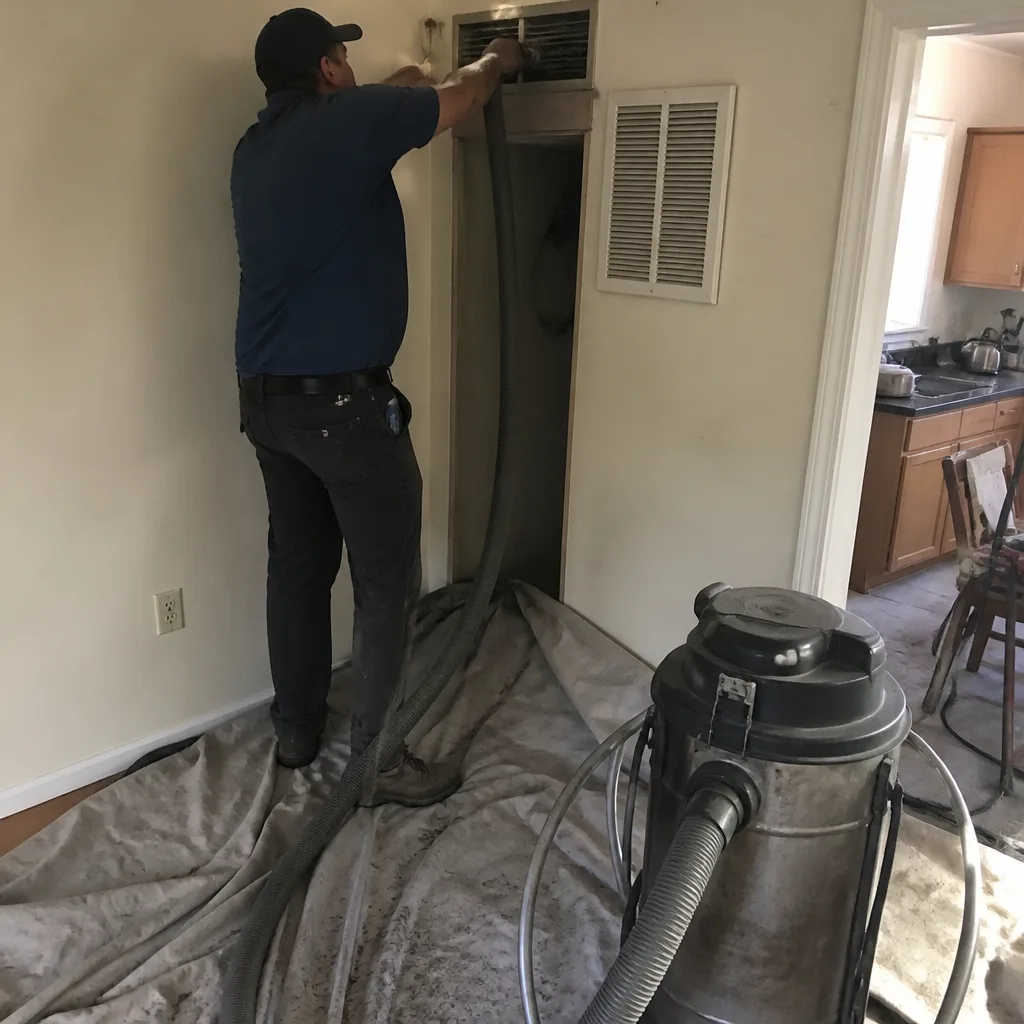 Before
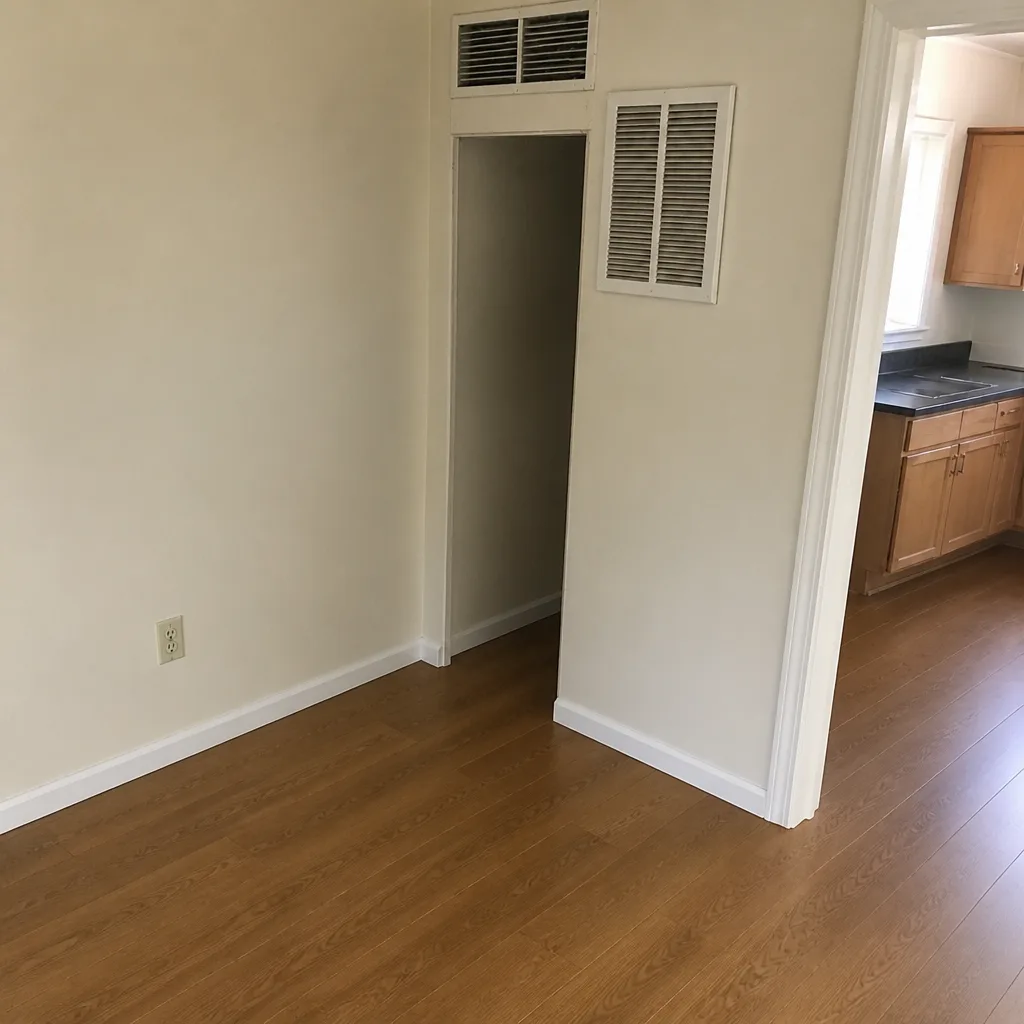 After
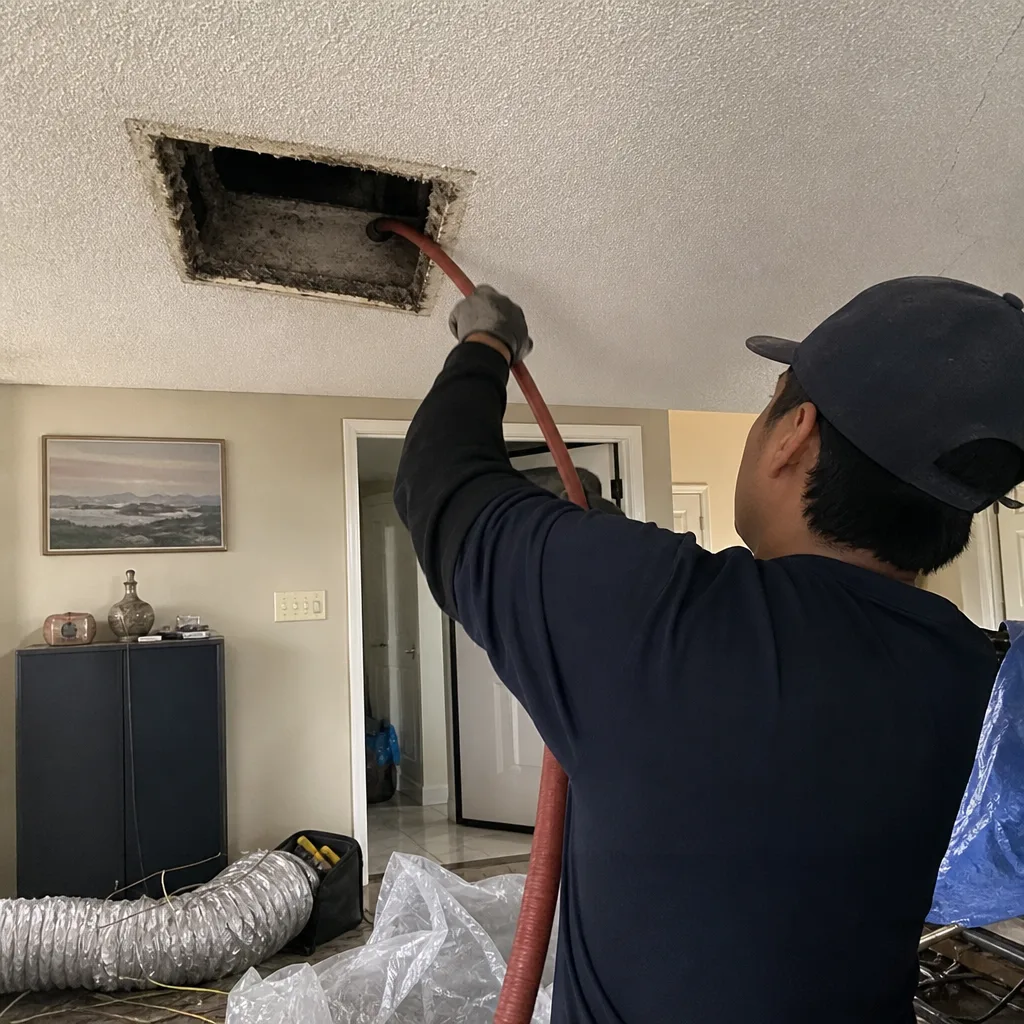 Before
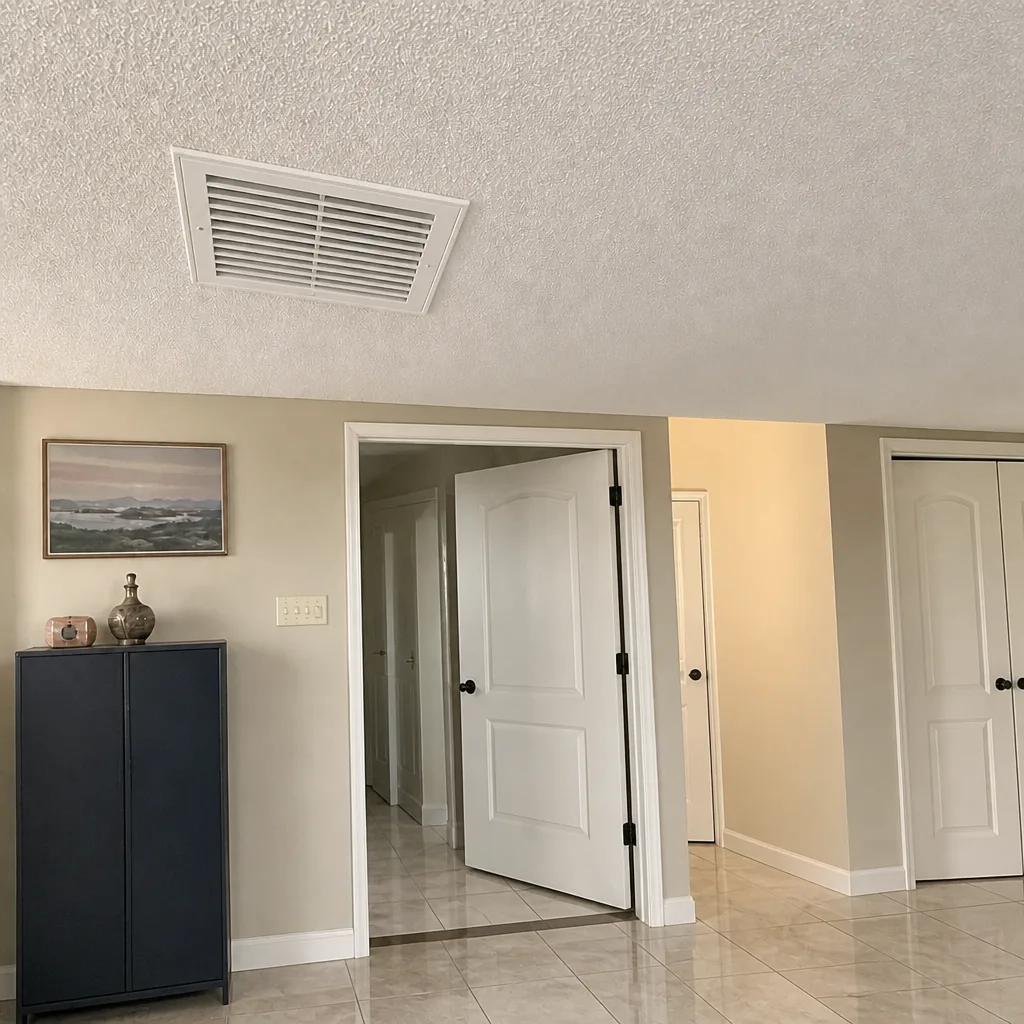 After
Frequently Asked Questions
Wait until outdoor AQI has returned below 50 for at least 48 hours before cleaning ducts in Vermont Vista. Cleaning during an active event is counterproductive because the system pulls outdoor particulate back in while the cleaning is underway. One to two weeks after the event is the practical window for most homes.
Smoke film does not typically damage metal ductwork permanently, but it can bake onto surfaces and become progressively harder to remove. Fiberglass duct insulation can retain smoke odor and may need replacement if heavily contaminated. Flexible duct runs with smoke film should be assessed individually, as the material can hold odor more persistently than rigid metal.
MERV 13 is the minimum recommended rating during a wildfire smoke event. It captures roughly 85% of PM2.5 on a single pass, which is the particle size that matters most. MERV 16 or HEPA-level filtration is better if your system can handle the static pressure drop without airflow loss.
You can replace filters, clean registers, and run portable HEPA purifiers. You cannot clean the interior of duct runs, the coil, or the blower assembly without professional equipment. Smoke film requires mechanical agitation and negative-air extraction to remove properly. Consumer tools cannot do that.
Replace the filter and run the system for 48 hours with a fresh MERV 13. If the smoke smell persists, the contamination is inside the system. You can also use a white cloth on the inside of a register boot. Gray or black residue on the cloth confirms deposition beyond the filter.
Some policies cover it, depending on the event, your documentation, and the policy language. Coverage is more likely when you have photos of visible soot, AQI logs from the event period, a professional assessment report, and evidence that you took reasonable steps to mitigate contamination during the event. Start documenting early, not after the adjuster asks.
The Bottom Line
Wildfire smoke events are now a recurring reality for Vermont Vista homeowners, and the duct systems in those homes are the primary reservoir for the particulate those events introduce. The decisions that matter happen in the first 24 hours: run a MERV 13 filter, keep the fan on continuous, close fresh air intakes, and document everything. After the event, inspect before you assume, and get professional assessment when the signs point to real deposition. The equipment matters too. Smoke film does not yield to shop vacs. It yields to rotary brush agitation, negative-air extraction, and skilled work on coils and blowers. That is the standard we hold our own work to, and the reason our trucks carry Rotobrush and Nikro systems rather than consumer tools. If your home went through a smoke event, or you want a system inspection before the next one arrives, call (833) 620-6973. We answer 24/7. Fast dispatch from 7am to 7pm, Sunday through Friday.
Written by the team at Rivermark Air Duct Cleaning, serving Vermont Vista since 2014.