
Last updated November 4, 2026
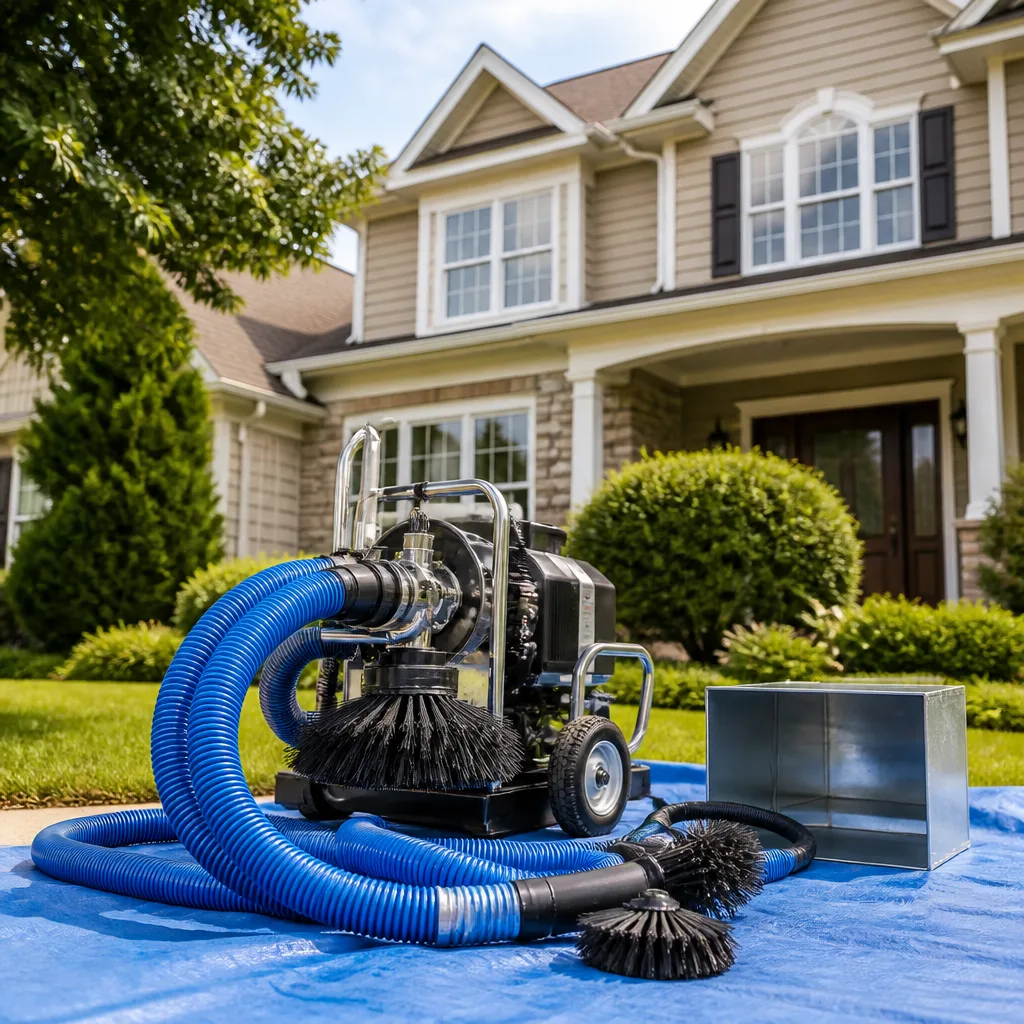 Whole-home duct cleaning
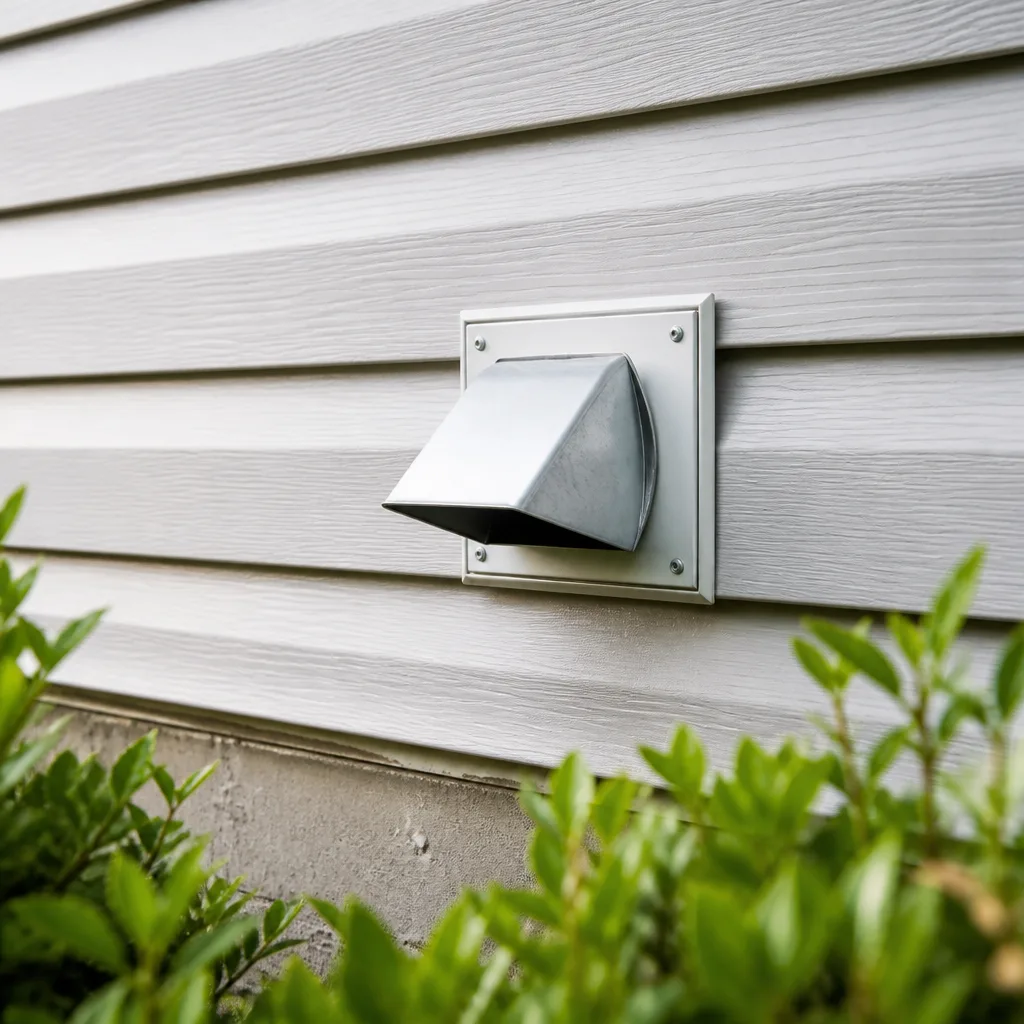 Dryer vent cleaning
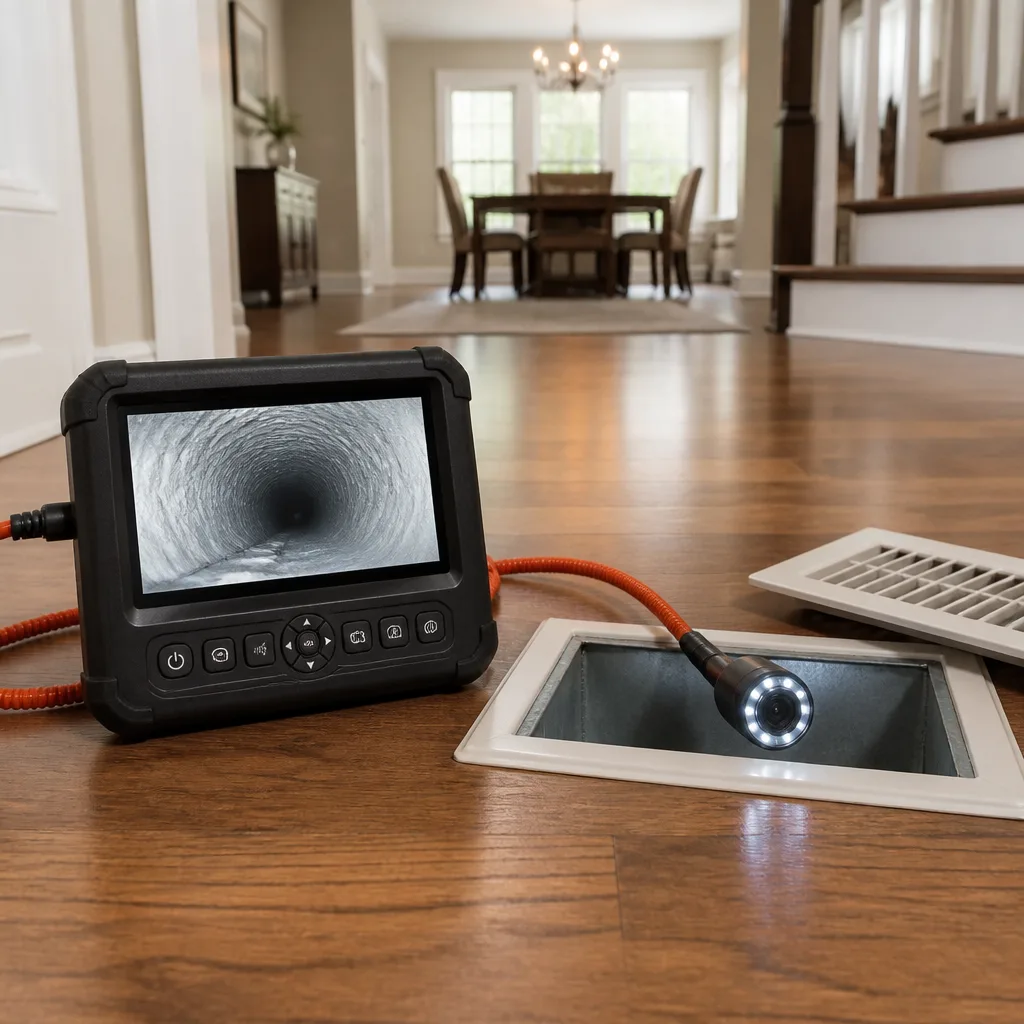 Camera inspection
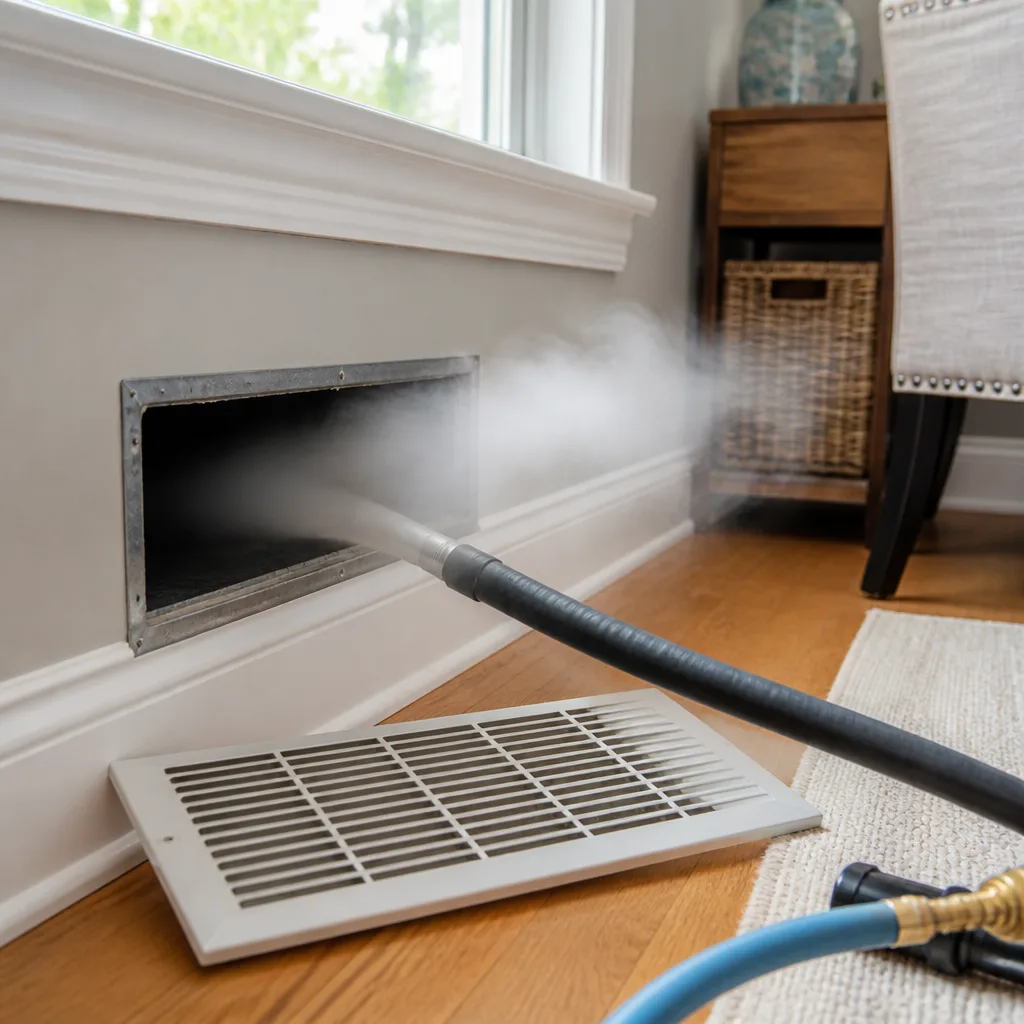 Sanitizing & deodorizing
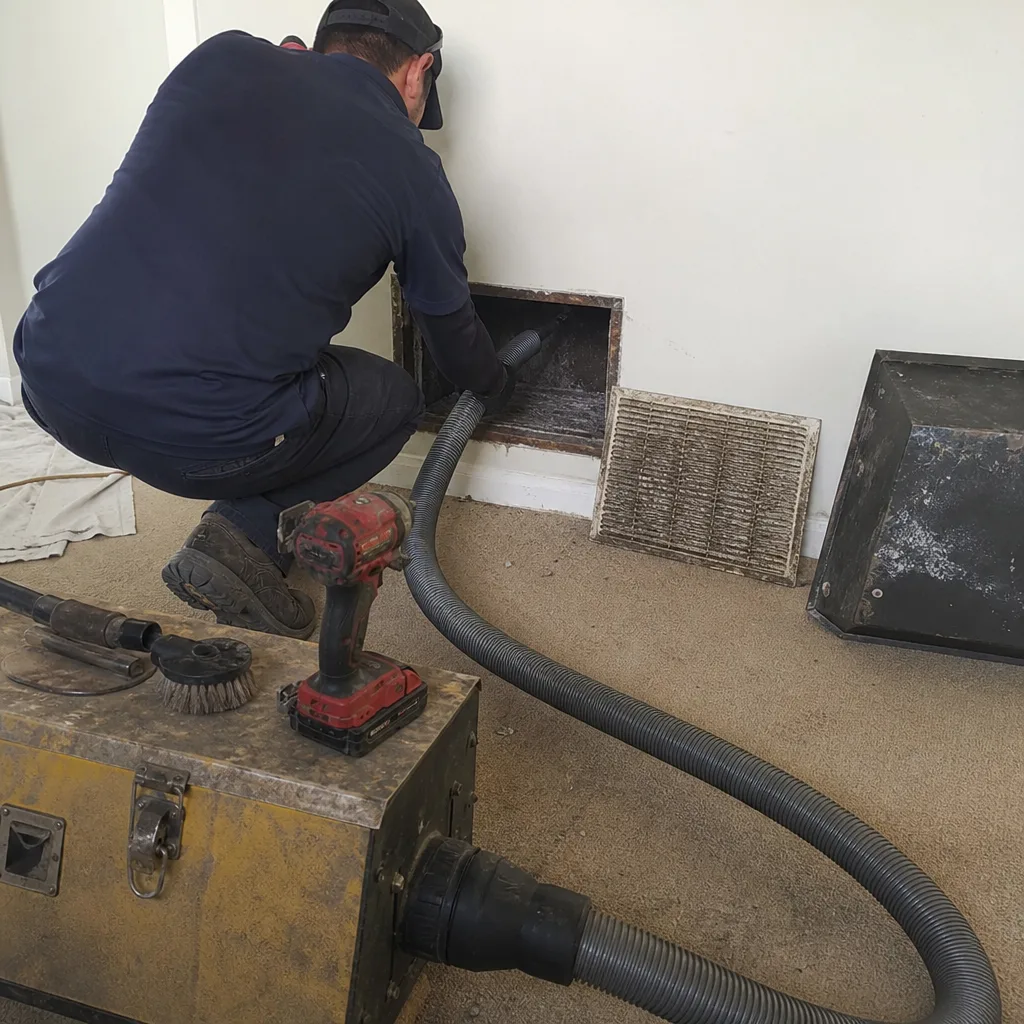
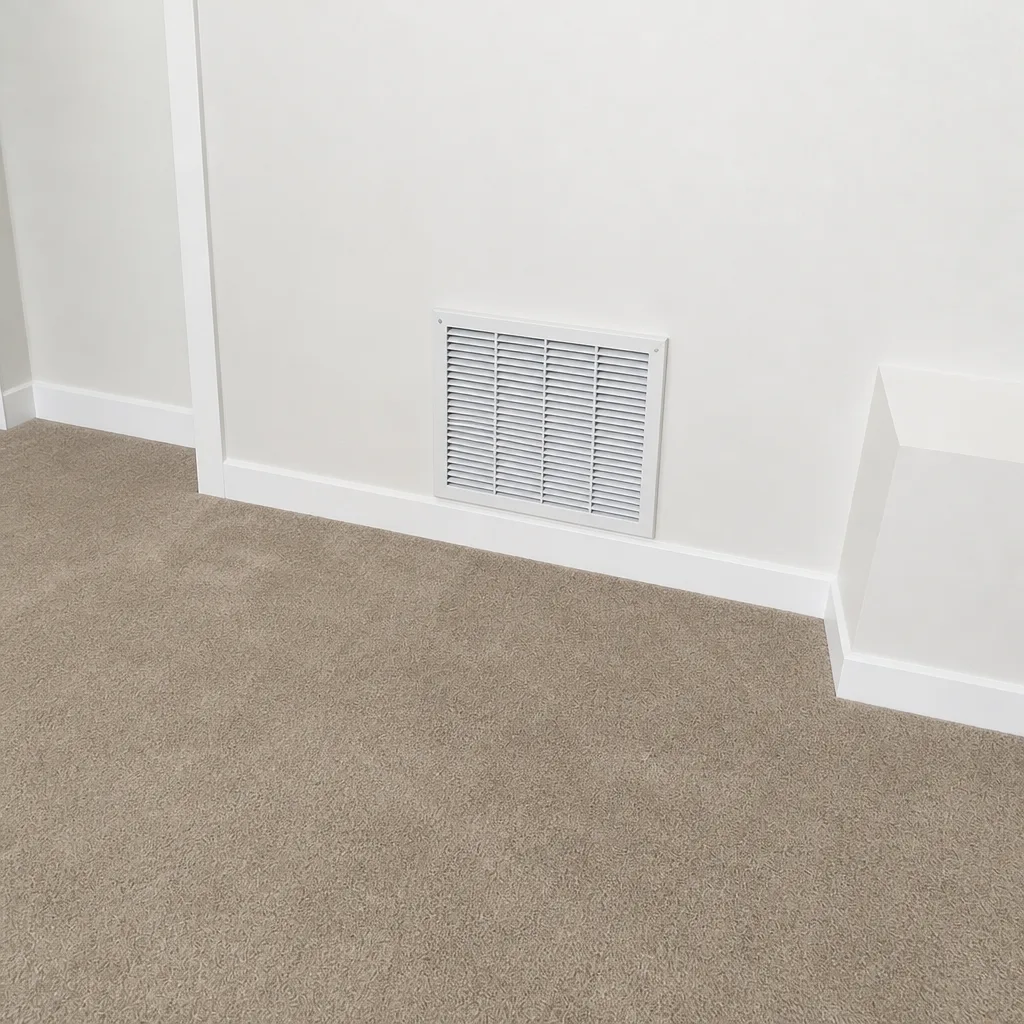
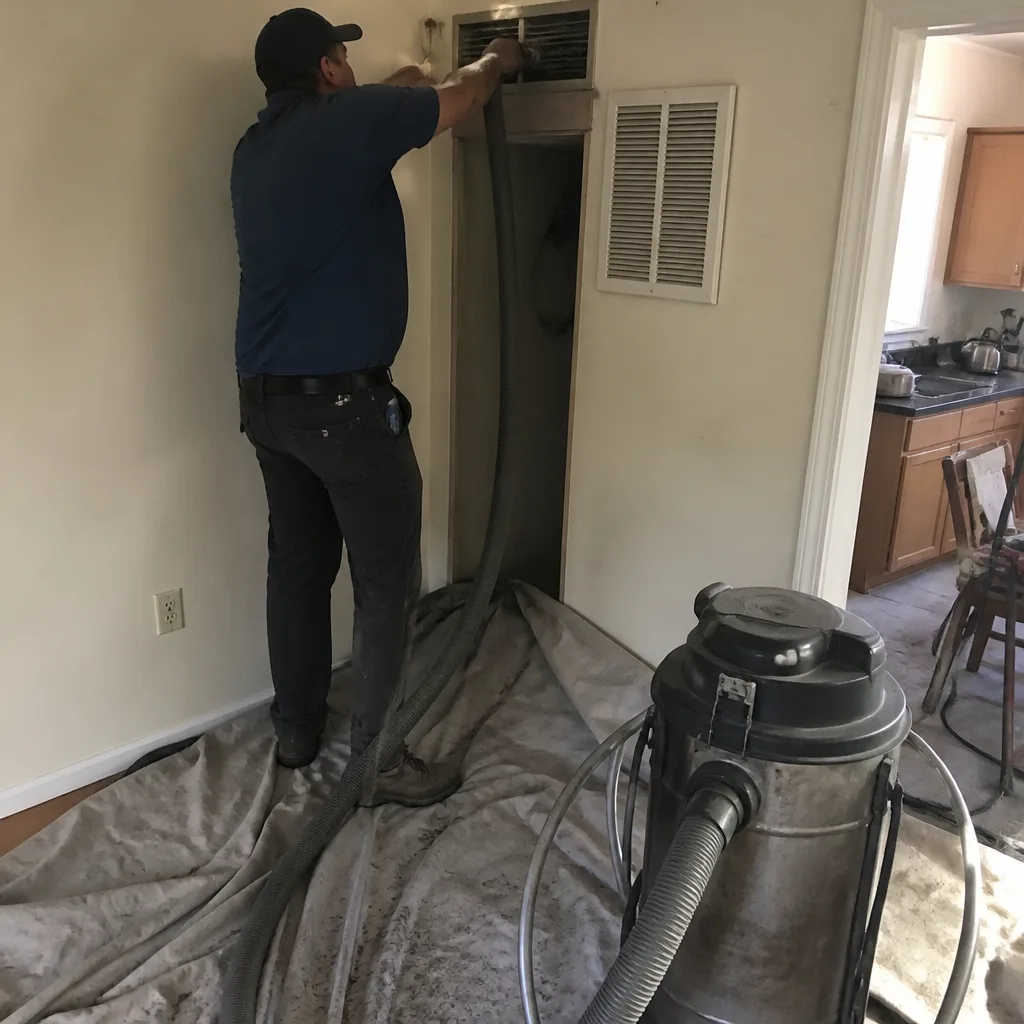
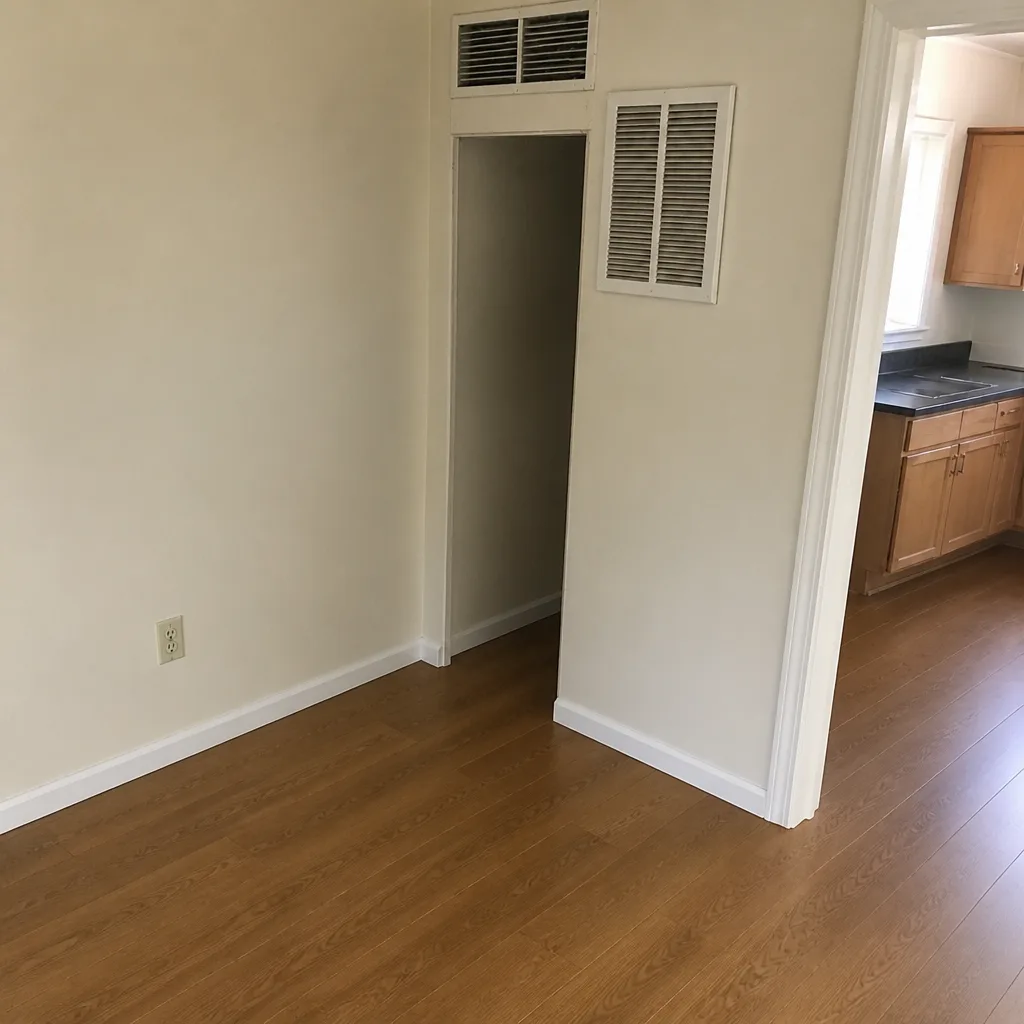
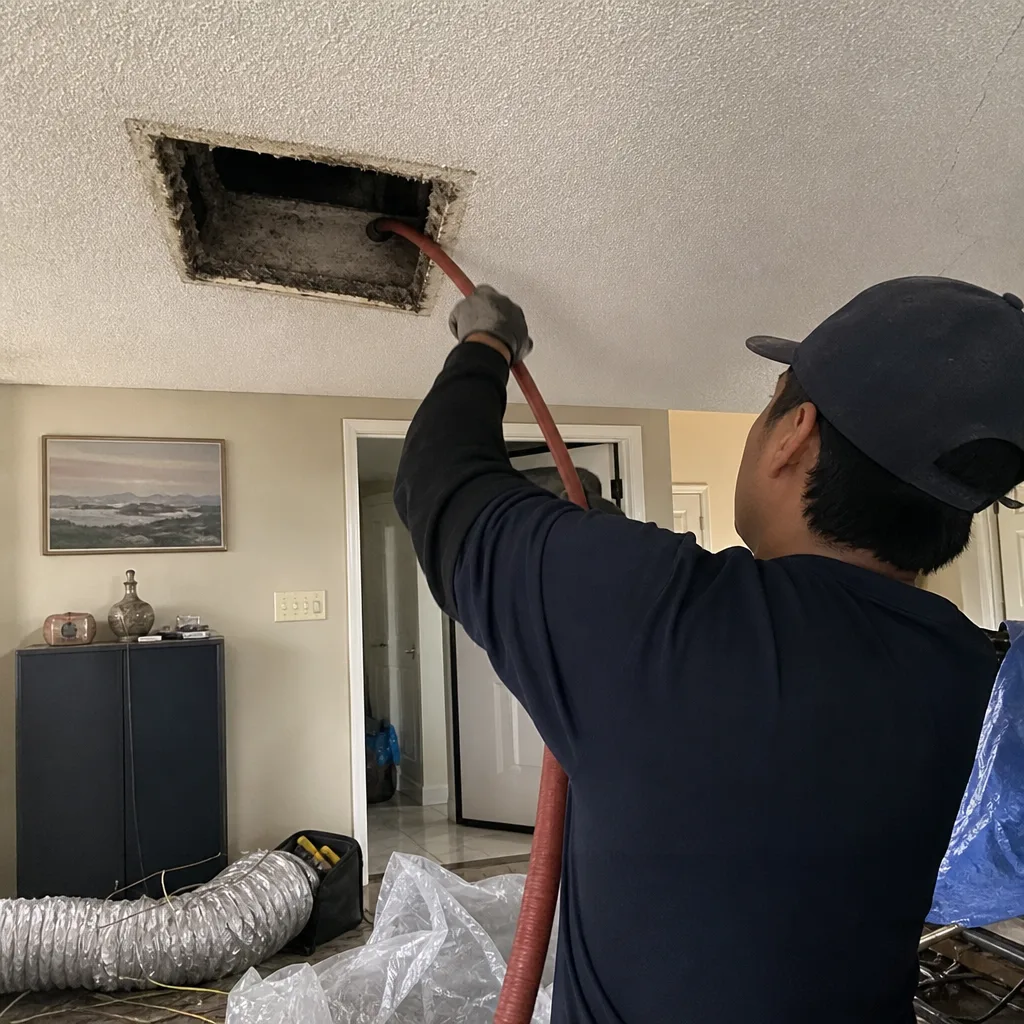
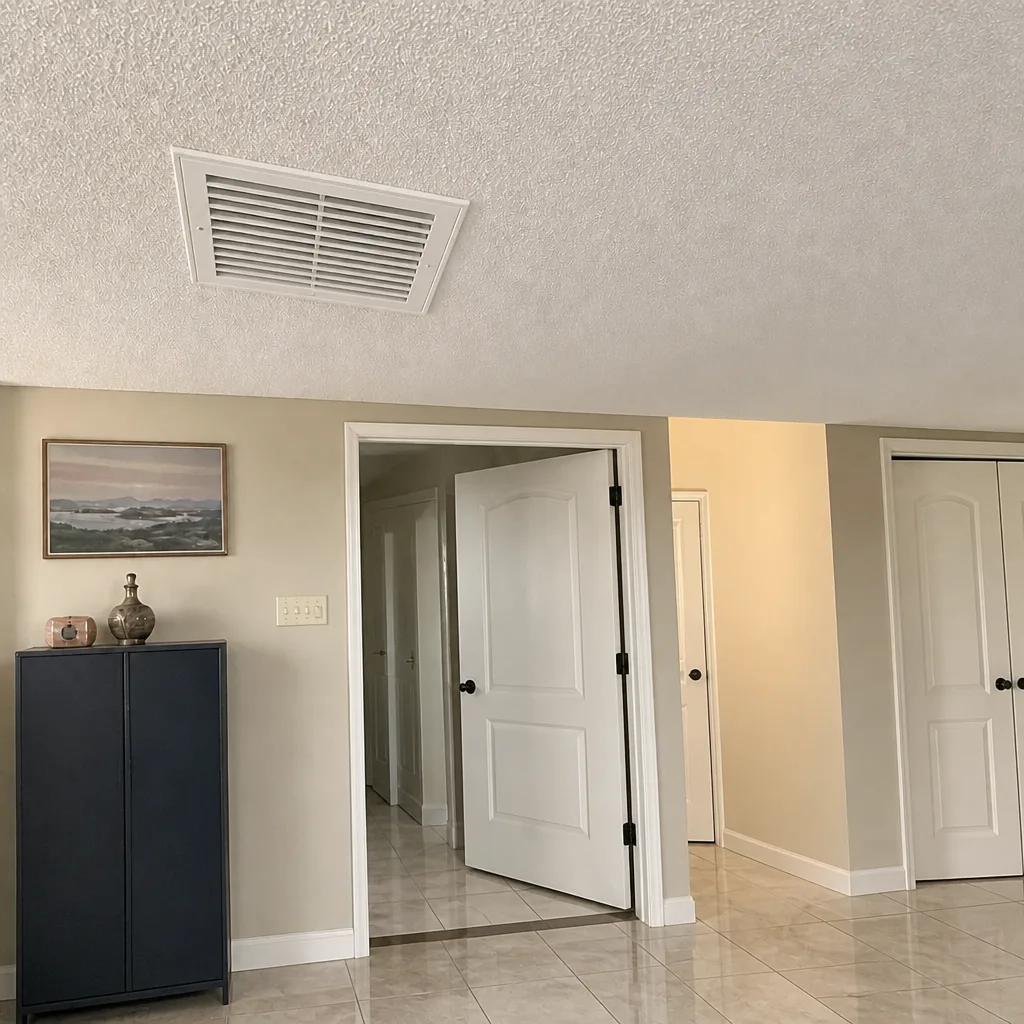
Whole-system duct and dryer vent check with before-and-after photos - you see exactly what came out of your vents
That "$99 whole-house special" is a bait ad - the real number appears once they are in your hallway, or the "clean" is a shop-vac at the register. We photograph the inside of your ducts before and after instead.
Air Duct Cleaning Troubleshooting in Vermont Vista: Common Problems and How to Fix Them
If a room in your Vermont Vista house is consistently 5 to 8 degrees hotter than the rest of the home, your HVAC unit probably isn’t undersized. The more likely culprit sits behind your walls: a disconnected, crushed, or leaking duct segment that nobody has looked at since the day it was installed. We’ve watched homeowners replace perfectly good furnaces and condensers chasing a problem that was never the equipment’s fault. This guide walks through the specific symptoms of dirty and damaged ductwork, how to tell the difference between a cleaning problem and a structural one, and what actually fixes each condition. You’ll learn what to check yourself, what certain smells mean, and when the right call is a professional with air duct cleaning equipment that can do more than wave a vacuum hose around.
Quick Answer
Most air duct problems in Vermont Vista fall into two categories: contamination (dust, debris, mold, and allergens built up inside the duct walls) and compromised integrity (leaks, disconnected joints, or collapsed flex duct). Contamination responds to mechanical agitation cleaning like a Rotobrush system paired with negative-air extraction. Integrity problems require Rivermark Air Duct Cleaning to physically find and repair the damaged section. The first step is a simple airflow test at each register combined with a visual inspection of any accessible duct runs, because the fix path changes completely depending on what you find.
Styles & brands we work with
- Whole-home duct cleaning
- Dryer vent cleaning
- Camera inspection
- Sanitizing & deodorizing
Table of Contents
- Dirty Ducts vs. Damaged Ducts: Two Different Problems
- What Your Ducts Are Telling You Through Smell
- Why Some Rooms in Vermont Vista Stay Hot
- The Difference Between a Vacuum Clean and a Real Extraction
- A Pre-Call Inspection Checklist You Can Run in 30 Minutes
- When Cleaning Isn’t Enough: Duct Repair as the Actual Fix
- The Dryer Vent Fire Hazard That Duct Cleaning Companies Ignore
Dirty Ducts vs. Damaged Ducts: Two Different Problems
Vermont Vista homes, especially the older single-story builds that dominate this part of South Los Angeles, tend to hide duct problems behind stucco and drywall for years. The first diagnostic step is separating contamination from structural failure, because the wrong fix wastes money and doesn’t solve the symptom.
Dirty duct symptoms show up gradually. You’ll notice dust accumulating on furniture days after cleaning, a grey film on vent covers, reduced airflow that gets slightly worse each month, and air that smells stale or earthy when the system first kicks on. The duct walls themselves carry a coating of dust, pet dander, and debris that acts like a sponge for moisture and odor. This is a cleaning problem.
Damaged duct symptoms show up differently. One room never cools no matter how long the system runs. A register blows weak air while the one next to it blasts. Your utility bill creeps up even though the thermostat setting hasn’t changed. You find dust in rooms with no ducts at all, or insulation fragments around a specific vent. These point to leaks, disconnects, or crushed flex duct. A vacuum alone will not fix this. The duct segment itself needs to be reconnected, sealed, or replaced.
The tell that separates them: a dirty system distributes the problem evenly, while a damaged system localizes it. If every room is equally stale, you have contamination. If one room is the problem and the rest of the house is fine, you have integrity loss.
Here’s the practical sequence in a typical Vermont Vista home:
- Run the system and hold a tissue near each register. Note airflow differences between rooms.
- Remove a few vent covers and look inside with a flashlight. Dust accumulation is normal; partial collapse of a flexible duct or a visible gap at a joint is not.
- Check the filter loading rate. A filter that clogs completely within three weeks of installation suggests either heavy contamination or a return leak pulling attic air.
- Call for a professional assessment if airflow differences exceed what register length and layout would explain.
Knowing which category you’re in determines the entire repair path. That’s why we don’t quote a cleaning over the phone without understanding what’s actually happening in the home.
What Your Ducts Are Telling You Through Smell
Odor is the most specific diagnostic tool you have, and most Vermont Vista homeowners misread it. Each smell has a distinct cause and a distinct fix. Learning the difference saves you from paying for a cleaning when you need a repair, or ignoring a repair because someone told you it would “air out.”
Musty or earthy odor: This means moisture intrusion. In Vermont Vista’s mild climate, the culprit is usually a condensate drain backflow, a bathroom vent routed into the return plenum, or a leak at the evaporator coil. Once moisture gets into the duct lining or insulation, microbial growth follows. The fix requires finding the moisture source first, then cleaning and potentially replacing the affected duct section. Cleaning alone, without stopping the water, just resets the clock.
Burning or hot dust smell: When the system runs after being off for a while, a brief hot-dust smell on the first cycle is normal. A persistent burning odor that doesn’t fade points to debris sitting too close to the heat exchanger, or a failing blower motor drawing excessive amperage. This is not a cleaning situation. Shut the system down and have a professional inspect it. Debris near a heat exchanger in a gas furnace is a fire hazard.
Chemical or plastic smell: This appears when duct liner or flex duct interior begins to degrade, especially in older Vermont Vista homes with original ductwork. The material off-gasses as it breaks down. Some homes with 30-plus-year-old flex duct will pick up a faint fiberglass-resin smell that becomes sharper when the system first starts. The only real fix is removal and replacement of the affected liner or duct segments.
Animal odor: Rodents and birds find their way into duct runs through roof jacks, crawl space gaps, and disconnected tookoffs. The odor is unmistakable and localizes to one or two vents. The animal issue gets addressed first, then the contaminated section gets cleaned or replaced. A standard duct cleaning should follow, not precede, the animal removal.
Every one of these odors has a protocol. We’ve walked into Vermont Vista homes where the homeowner was sold three cleanings by three different companies for a smell that was coming from a disconnected bathroom vent pulling shower steam into the return. The cleaning did nothing because the problem was never dirt.
Why Some Rooms in Vermont Vista Stay Hot
California ranch-style homes dominate Vermont Vista, and they share a common duct design flaw: long supply runs with undersized or missing return paths. The result is a master bedroom at the far end of the house that runs five to eight degrees warmer than the living room, no matter what the thermostat says.
The assumption most homeowners make is that the HVAC unit is undersized or failing. It usually isn’t. The physics are simpler: supply air gets pushed through the ducts, but return air has to find its way back to the air handler. In a ranch layout, the return grille often sits in a central hallway. A bedroom at the far end with a closed door becomes a pressure pocket. The supply air fights to enter while the room’s existing air has no path back. The room stays warm not because the unit can’t cool, but because the air can’t circulate.
Here’s what we typically find in Vermont Vista ranch homes:
- The return grille is central, often in a hallway near the main living area, with no return in bedrooms at the far end.
- Bedroom doors stay closed for privacy or to control pet access, which blocks the undercut gap most older homes relied on for return flow.
- Supply ducts to far rooms are undersized flexible duct that’s lost diameter from years of sagging between straps.
- Some rooms were added or converted without a corresponding duct extension, so the original system serves more square footage than it was designed for.
The fix for a return-side problem is not a bigger air conditioner. It’s adding a return path: either a through-wall transfer grille, an undercut door with a booster fan, or a dedicated return duct from the problem room back to the plenum. Sometimes the supply duct itself is crushed or disconnected, and that needs physical repair. A dirty duct is rarely the cause of a five-degree room-to-room difference.
We run into this pattern constantly in Vermont Vista because the housing stock is uniform: long, low, single-story layouts built when central air was less common and retrofit duct runs were an afterthought. The solution starts with identifying whether the hot room is a supply problem or a return problem, and that means testing airflow at the register and checking duct runs in the attic.
The Difference Between a Vacuum Clean and a Real Extraction
Not all duct cleaning is the same, and the cheap version can leave you with the same contamination you paid to remove. The distinction matters in Vermont Vista because the housing stock is old enough to have significant buildup, and the wrong method just moves debris around instead of removing it.
A “blow-and-go” clean typically uses a high-pressure air wand or a simple vacuum hose fed into the registers. The technician agitates what they can reach, then vacuums loose debris out through the vent openings. What gets left behind is the layer of compacted dust and debris that’s adhered to the duct walls over years of operation. The clean looks good on the surface because the vent covers are shiny, but the duct interior hasn’t actually been stripped.
A Rotobrush mechanical agitation clean works differently. A rotary brush head spins against the duct walls, physically dislodging the adhered layer, including the fine particulate that airstream alone can’t move. Simultaneously, a negative-air machine like the Nikro system creates continuous suction that extracts the loosened debris through a contained collection system. The debris doesn’t get pushed further into the system; it leaves the system entirely.
This matters for specific symptoms:
- A home with allergy sufferers needs the fine particulate removed, not just redistributed. Mechanical agitation plus negative air extraction is the standard that achieves this.
- A home with heavy debris from a renovation, where drywall dust and construction debris have settled into the ducts, needs rotary brush work to break up the packed material.
- A home with visible dust blowing from registers after every cleaning attempt has been vacuum-only cleaned and needs the mechanical method to achieve what the vacuum couldn’t.
The reason we run Rotobrush and Nikro equipment is straightforward: the equipment determines what can actually be extracted. A consumer-grade shop vac hooked to a register lacks the agitation and the suction to do more than a surface pass. In a commercial building, the same principle applies, which is why professional HVAC contractors use rotary brush systems rather than portable vacuums. The standard shouldn’t drop just because the ducts are inside a home.
The best time to ask about equipment is before you book. If a company can’t tell you how they agitate the duct walls, they’re probably planning to vacuum registers and call it a cleaning. This is also where dryer vent cleaning becomes relevant, because the same methodology applies there: a rotary brush dislodges compacted lint that a vacuum hose alone cannot move. The two services share a philosophy, even though they target different systems.
A Pre-Call Inspection Checklist You Can Run in 30 Minutes
Before calling any duct company in Vermont Vista, run through this checklist. It narrows the problem, gives you a better sense of what you’re dealing with, and helps you evaluate whether the technician who shows up is actually diagnosing or just selling a cleaning. None of these steps requires specialized tools beyond a flashlight, a tissue, and a willingness to climb a stepladder.
Step 1: The register airflow test. Turn the system fan to “on” at the thermostat, not auto. Go to each register and hold a single-ply tissue about two inches away. Note which registers blow the tissue horizontal (strong flow), which make it flutter weakly, and which show no movement at all. A weak register at the end of a long run is often normal. A weak register in the middle of a run, next to a strong one, is a red flag for a disconnected or crushed segment.
Step 2: The visible takeoff check. Remove two or three vent covers in different rooms, choosing the ones that showed weak flow first. Shine a flashlight into the opening. You’re looking for three things: visible dust accumulation on the duct walls (normal and cleanable), a broken or separated joint where the duct meets the register box (a repair issue), and any sign that the flexible duct has kinked or collapsed. In Vermont Vista attics, flex duct sagging between supports is a common cause of airflow loss that a cleaning won’t fix.
Step 3: The filter loading rate test. Install a fresh filter and write the date on it with a marker. Check it every week for a month. A filter that’s heavily loaded within two to three weeks indicates either heavy contamination in the ducts or a return leak pulling attic air. Most Vermont Vista homes have returns in the ceiling, and a gap where the return box meets the drywall lets unfiltered attic air bypass the filter entirely. The filter gets dirty fast, and the air quality suffers even though the filter is doing its job.
Step 4: The dust signature check. Walk through each room and look at the dust pattern on horizontal surfaces. Even, fine dust across the whole house points to general contamination. Dust concentrated near specific vents, especially with larger particles or insulation fragments, points to a duct leak or a broken seal at that location. This simple observation tells you whether you need whole-system cleaning or a targeted repair.
Step 5: The register temperature check. With the system in cooling mode, use a simple kitchen thermometer to check the air temperature at each register. Differences of more than two to three degrees between the closest and farthest register, after accounting for the longer duct run, indicate airflow problems. The hot room at the end of the house that matches the temperature of the adjacent hallway is suffering from poor circulation, not a supply duct failure.
Run these five checks and write down what you find. A technician who gets your notes and explains what they confirm or contradict is doing real diagnosis. A technician who ignores your findings and immediately quotes a cleaning isn’t looking at your house.
When Cleaning Isn’t Enough: Duct Repair as the Actual Fix
Some Vermont Vista duct problems will never respond to cleaning because the duct system itself is damaged. We see this most often in homes where the ductwork is original to the house, where a previous remodel disturbed the runs, or where animals have gotten into the attic. The disconnect happens when a cleaning-only company encounters a disconnected duct, vacuums what it can reach, and leaves without telling the homeowner that the underlying problem remains.
Duct repair is a different discipline. It requires finding the failed section, understanding why it failed, and restoring the duct to functional condition. Common repairs in Vermont Vista homes include:
- Reconnecting a duct run that has separated from the register boot, often from the original tape failing over years of thermal cycling.
- Replacing kinked or crushed flex duct that’s lost airflow due to improper strapping or attic storage weight.
- Sealing leaking joints with mastic or foil tape rated for ductwork, not the cloth duct tape that fails within a few years.
- Adding a return path to a room that lacks one, which is the most effective fix for the classic hot-bedroom problem in ranch-style layouts.
- Replacing duct sections with mold or animal contamination that can’t be safely cleaned.
This is why we built repair capability into our duct cleaning service. A company that can clean but not repair will always propose cleaning, because it’s the only tool they have. A company that can repair will tell you when cleaning won’t fix the problem, because honesty costs less than a callback. In our experience, about one in five Vermont Vista homes we’re called to clean actually needs some form of duct repair first or alongside the cleaning. The cleaning removes contamination; the repair removes the cause.
When we run into a separated duct or a crushed run, the sequence matters. The repair happens first, because cleaning a disconnected duct just pushes debris into the attic. Then the cleaning extracts what remains. Then the system gets tested at each register to confirm the airflow changed. That’s the full-scope approach that a cleaning-only shop structurally cannot offer.
The Dryer Vent Fire Hazard That Duct Cleaning Companies Ignore
Your dryer vent is a duct, and it’s the most dangerous duct in your home. Vermont Vista homes built with laundry areas in interior hallways or garages often have long, winding dryer vent runs that accumulate lint faster than a standard vertical run. The longer the run, the more lint builds before it reaches the outside, and the more resistance the dryer fights to push air.
Dryer vent cleaning isn’t optional maintenance. It’s a fire-safety service. Lint is highly flammable, and a clogged dryer vent raises the temperature inside the dryer, increases drying times, and creates the conditions for ignition. The U.S. Fire Administration has long identified failure to clean dryer vents as a leading cause of residential dryer fires, and the physics don’t change because the weather in Vermont Vista is mild.
The signs of a clogged dryer vent are specific:
- Clothes take two or three cycles to fully dry.
- The dryer itself feels unusually hot to the touch during operation.
- The laundry room gets noticeably warmer and more humid while the dryer runs.
- The outside vent flap barely opens, or doesn’t open at all, even during the drying cycle.
- A musty smell on clothes after drying, which means moisture is lingering in the vent run.
Dedicated dryer vent cleaning uses a rotary brush system with a vacuum collection unit to strip compacted lint from the full length of the run. The difference between this and a homeowner’s flexible brush kit is the suction that removes the lint as it’s dislodged, rather than pushing it further down the run. We run dryer vent cleaning as a standalone service precisely because it’s a safety function, not an upsell. It deserves its own booking, its own inspection, and its own level of attention.
If your dryer has been taking longer than it used to, don’t wait for the full failure. Run the check at the outside vent flap, and if it’s not opening properly, that’s the call to make. The estimate is free, and the stakes don’t get much higher than a fire that starts behind the wall.
Common Mistakes to Avoid
- Replacing the HVAC unit before inspecting the ducts. A failing or undersized air conditioner is rarely the cause of a single hot room, especially in Vermont Vista ranch homes. The duct run, the return path, or a failed joint is the more likely culprit. Spend the inspection dollar before the replacement dollar.
- Paying for a cleaning when the problem is a leak. A disconnected duct or a crushed flex run will never respond to vacuuming. If airflow is weak at one register and strong at the next, ask for a duct inspection, not a cleaning.
- Choosing a duct cleaner by price alone. The difference between a vacuum-only clean and a Rotobrush mechanical extraction is the difference between a surface pass and actual debris removal. The cheaper quote often reflects cheaper equipment and a shallower method.
- Assuming a dirty filter explains poor air quality. The filter is a symptom, not the system. Heavy filter loading within weeks of installation points to duct contamination or a return air leak, not a filter that’s underperforming.
- Ignoring a burning smell that doesn’t fade. A persistent burning odor when the heater runs is not a cleaning issue. It’s a potential fire hazard. Shut the system down and get a professional inspection before running it again.
- Treating the dryer vent as a secondary concern. The dryer vent is the most fire-prone duct in the house. Long runs common in Vermont Vista laundry rooms accumulate lint faster than standard installations, and the consequences of ignoring it are structural.
- Running DIY cleaning tools through your ducts. A homeowner-grade brush and a shop vac can’t reach the full duct length, can’t extract the debris it does dislodge, and can damage fragile duct seams in older homes. It’s a partial fix that gives false confidence.
See the difference
 Before
 After
 Before
 After
 Before
 After
When to Call a Professional
Some symptoms are unambiguous. Call a professional when you see visible mold growth inside a duct or on a vent cover, when one room stays five degrees warmer than the rest despite the system running constantly, when you hear what sounds like a disconnected duct rattling above the ceiling, when animals have been in the attic, or when a burning smell persists beyond the first heating cycle of the season. These conditions point to problems that cleaning methods can’t address and that getting wrong makes worse.
Vermont Vista homeowners can reach Rivermark Air Duct Cleaning for a free estimate. We answer 24/7, and fast dispatch runs from 7am to 7pm, Sunday through Friday. Call (833) 620-6973 and describe what you’re seeing. The diagnosis starts with the symptoms you report, and the price gets set by the written estimate before any work begins.
Frequently Asked Questions
Even, whole-house dust, stale air, and gradually declining airflow point to cleaning. Localized problems such as one hot room, weak airflow at a single register, or dust concentrated near one vent point to repair. Run the register airflow test and the dust signature check described above, and the pattern will tell you which path you’re on.
Pricing depends on the size of the home, the number of duct runs, and the extent of contamination, so the written estimate sets the final price. What we can tell you is that a mechanical agitation clean with negative-air extraction costs more than a vacuum-only pass because it removes what the vacuum leaves behind. The estimate is free, so you’ll know the number before committing. Call (833) 620-6973 for an exact quote.
Cheaper quotes usually reflect cheaper equipment and a shallower method. A vacuum hose fed through a register can’t dislodge the compacted debris on duct walls, and it can’t extract what it doesn’t dislodge. Rotobrush rotary agitation and Nikro negative-air extraction are commercial-grade systems that cost more to run because they do more. The difference shows up in what’s actually removed from the duct.
Ask for before-and-after photos of the duct interior at the same locations. Any company using camera inspection equipment can show you the duct walls before cleaning and after extraction. If a company can’t provide that, you’re taking their word on faith, and faith isn’t a verification method.
There’s no one-size answer, but a good working rule is every three to five years for most Vermont Vista homes. Homes with pets, allergy sufferers, recent renovations, or smokers typically need it more often. The filter loading rate test gives you a personalized answer: if a new filter clogs within a few weeks, the ducts are loading it up and a cleaning is overdue.
Yes, because the ducts are circulating the contaminants. Dust, pollen, pet dander, and mold spores settle in the ductwork and get pushed back into the living space every time the system runs. For a household with allergy sufferers, reducing the reservoir in the ducts reduces the daily exposure. The effect is most noticeable when the system runs continuously, which in Vermont Vista’s climate means most of the summer and large stretches of the winter.
The Bottom Line
Most Vermont Vista air duct problems are misdiagnosed because the symptoms get blamed on the wrong component. A hot room isn’t a failing air conditioner. A musty smell isn’t always dirt. A burning odor is never something to ignore. The duct system is the most neglected part of the HVAC installation, and it’s also the part that determines whether the air you breathe is clean and whether the temperature in every room actually matches the thermostat.
The fix starts with understanding which problem you have. Contamination gets cleaned with real extraction equipment. Damage gets repaired. The dryer vent gets treated as the fire hazard it is. And the estimate comes before any commitment, so you can make the call with full information. Call (833) 620-6973. We answer 24/7, with fast dispatch from 7am to 7pm, Sunday through Friday.
Written by the team at Rivermark Air Duct Cleaning, serving Vermont Vista since 2014.