
Last updated November 4, 2026
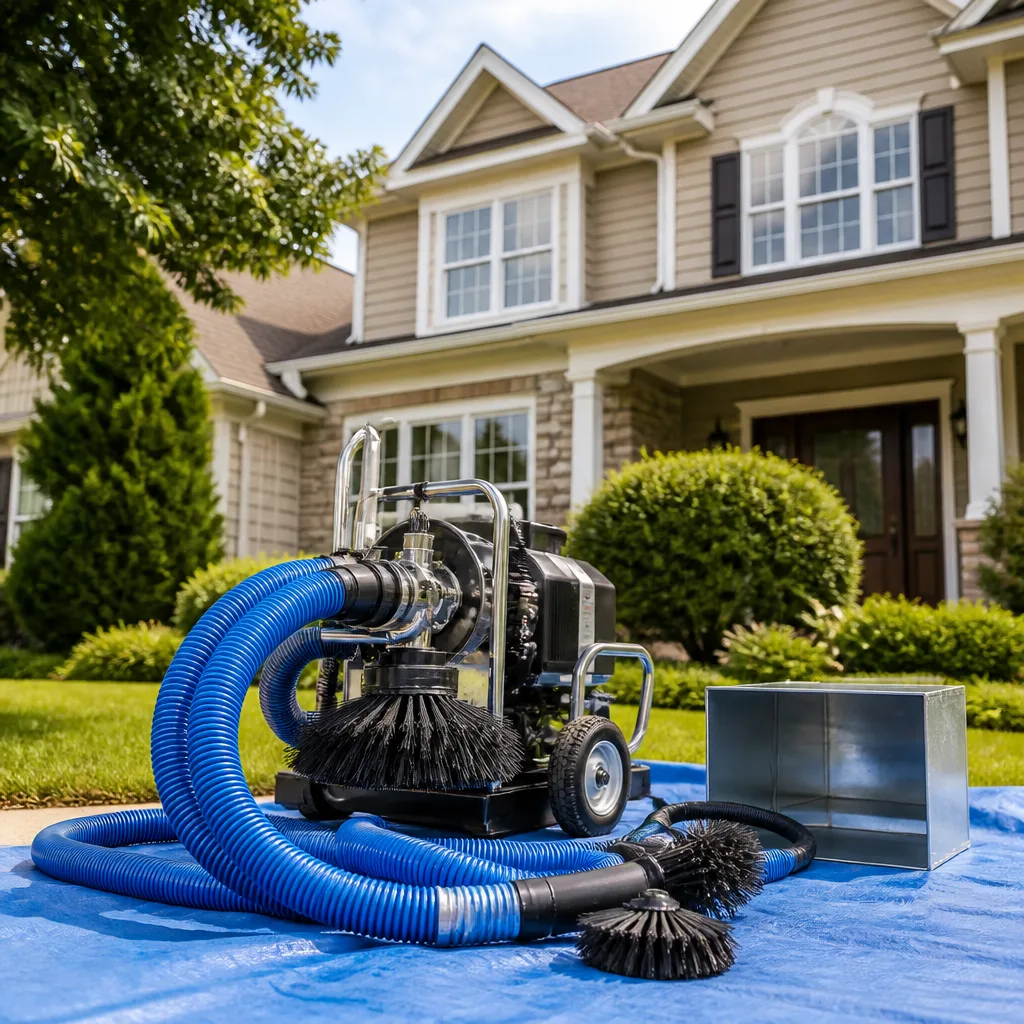 Whole-home duct cleaning
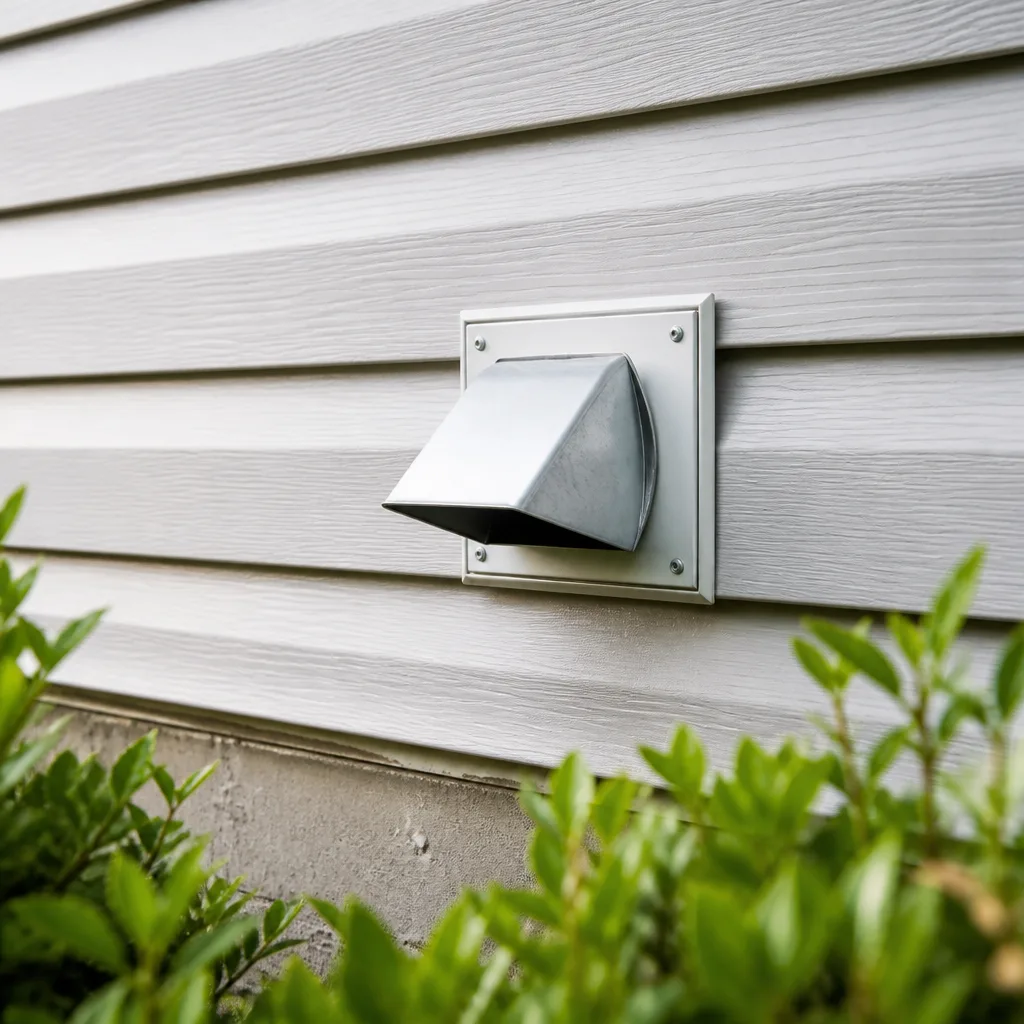 Dryer vent cleaning
 Camera inspection
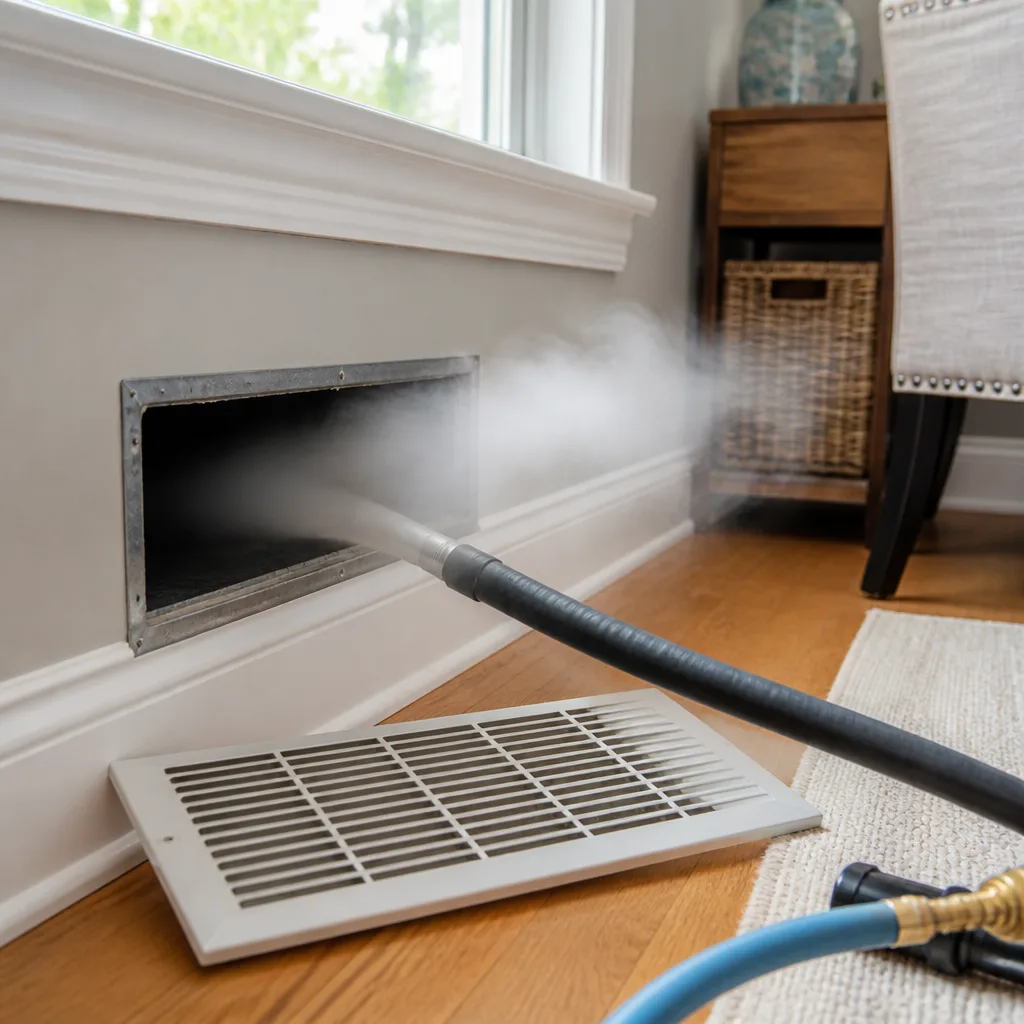 Sanitizing & deodorizing
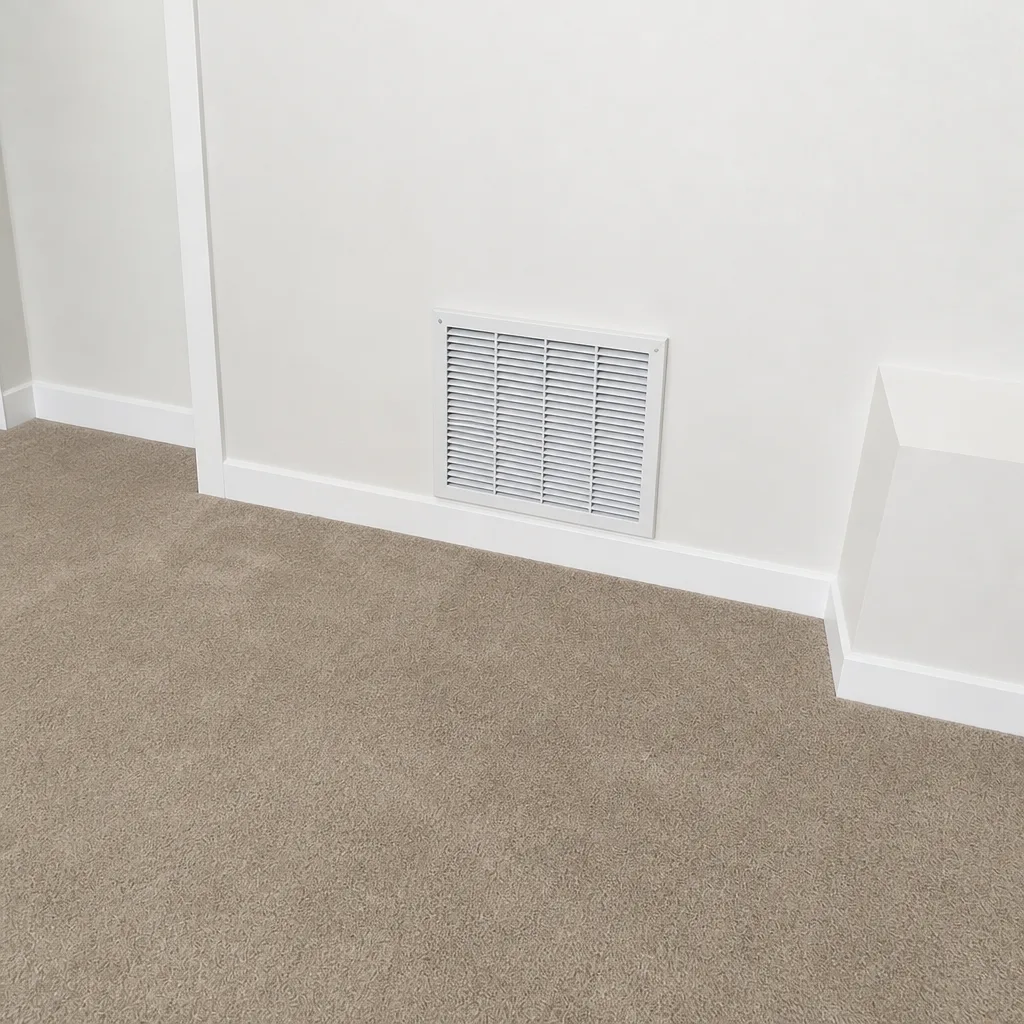
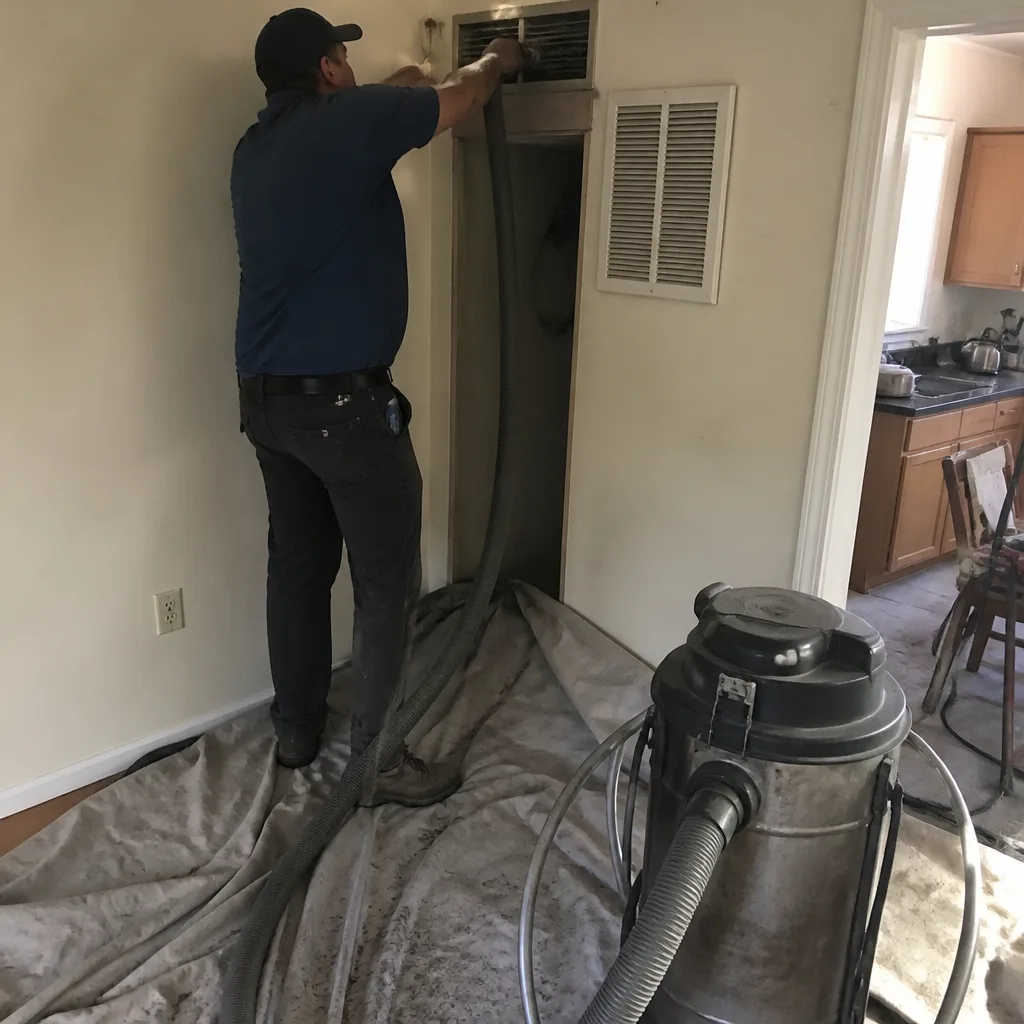
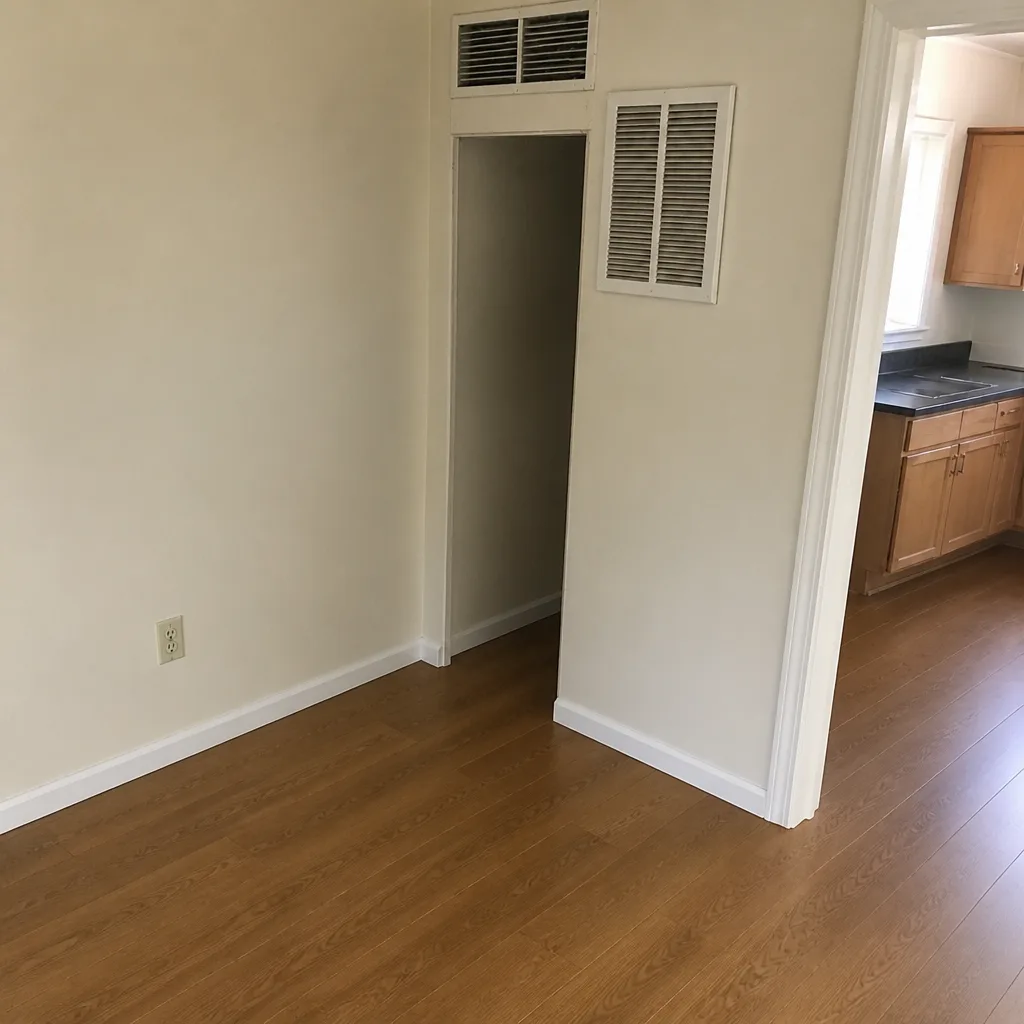
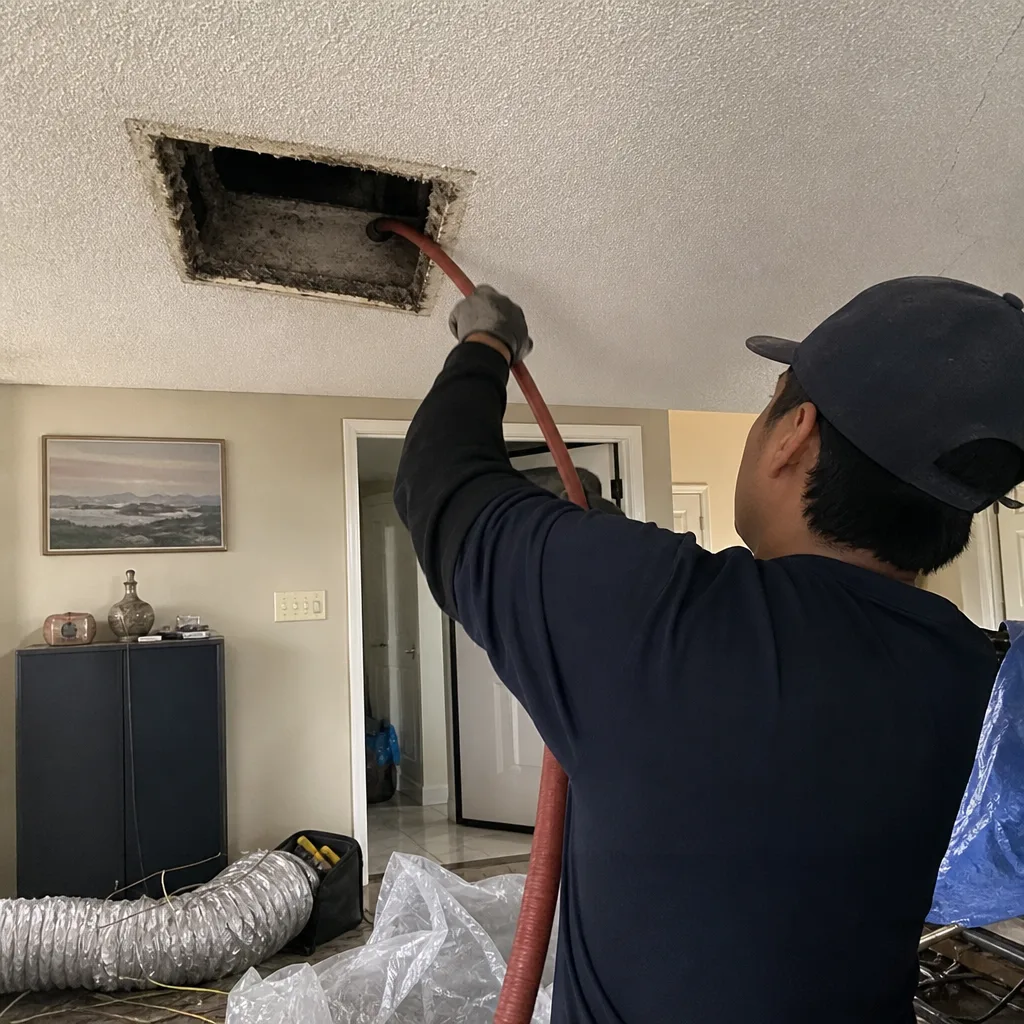
Whole-system duct and dryer vent check with before-and-after photos - you see exactly what came out of your vents
That "$99 whole-house special" is a bait ad - the real number appears once they are in your hallway, or the "clean" is a shop-vac at the register. We photograph the inside of your ducts before and after instead.
Air Duct Cleaning Warning Signs: A Vermont Vista Homeowner’s Reference Guide
Most homeowners in Vermont Vista wait until they can see dust blowing out of a register before they think about their ducts. By that point, the system has already been moving debris through the house for a long time. This guide is built around a different idea: the earliest warning signs are rarely visual. They show up as specific odors, uneven airflow between rooms, and filter patterns that tell a story about what is happening inside the ductwork. If you can read those signals early, you can address contamination before it coats every surface in your home and forces your HVAC system to work harder than it should.
Quick Answer
The most reliable early warning signs that your air ducts need cleaning are a dusty or musty odor when the system runs, visible debris around register openings, airflow that is noticeably weaker in some rooms than others, and filter media that loads with fine gray or tan dust within two to three weeks of replacement. In Vermont Vista, where homes run air conditioning for long stretches of the year, these signals often appear together. If you notice any two of them, schedule a professional inspection.
Styles & brands we work with
- Whole-home duct cleaning
- Dryer vent cleaning
- Camera inspection
- Sanitizing & deodorizing
Table of Contents
- How Filter Loading Patterns Reveal Duct Contamination
- Three Odor Types and What Each One Means
- Airflow Imbalance: Duct Problem or Mechanical Problem?
- Why Renovation Is the Highest-Risk Event for Duct Contamination
- Health Symptom Patterns That Correlate With Duct Issues
- Visible Signs You Should Never Ignore
- When the Warning Sign Points to Repair, Not Just Cleaning
How Filter Loading Patterns Reveal Duct Contamination
Your HVAC filter is a diagnostic tool, though almost nobody treats it that way. The way a filter loads with debris tells you something specific about what is happening upstream in the return-side ductwork. In our experience across Vermont Vista homes, most people replace a filter, toss the old one, and never look at it. That is a missed opportunity, because the filter is the first surface in the system to collect evidence of what is moving through the ducts.
Here is what to look for:
- Fine, uniform gray or tan powder across the entire filter surface. This is normal household dust loading. It becomes a warning sign when it accumulates to a visible coating within two to three weeks of installation. That rate of accumulation means the return ducts are holding a large reservoir of fine particulate that keeps feeding the airstream.
- Debris concentrated in one corner or along one edge. Return air does not always enter the filter evenly, but heavy loading isolated to a single area suggests an opening in the return duct near that side. A disconnected or poorly sealed return joint pulls unfiltered air from an attic or crawlspace, and the filter catches the evidence.
- Fibrous material, pet hair, or visible lint on the filter. Some of this is expected in homes with pets. But if the volume is high and appears quickly, it signals that debris is being pulled from inside the duct system itself, often accumulated over years of previous occupancy.
- Dark or sooty discoloration. This is not always a duct issue. It can indicate incomplete combustion from a gas appliance or candles burning frequently. But combined with burning odors when the heat runs, it warrants a professional look at both the ducts and the furnace.
Filter loading alone rarely tells the whole story. It is most useful as a trend indicator. If you change your filter and notice the same pattern appearing on the next one within weeks, you are looking at an ongoing upstream source. In older Vermont Vista homes with original ductwork, that source is frequently years of accumulated debris that previous owners never addressed.
Three Odor Types and What Each One Means
Odors from a running HVAC system are among the most misunderstood signals in a home. Homeowners often describe any smell from the vents as “dirty ducts,” but the specific character of the odor points to different problems, and the difference matters for how the issue should be handled.
The Dusty Smell: Accumulated Particulate
A dusty smell, sometimes described as “old” or “stale,” is the most common duct-related odor. It typically appears when the blower first starts and fades within a few minutes. This is the smell of fine particulate matter being stirred up and pushed through the registers. It is a sign that the ducts hold a significant dust reservoir. The fix is mechanical cleaning of the duct walls with a rotary brush system, which removes the source rather than masking it.
The Musty Smell: Moisture or Microbial Growth
A musty or earthy smell that persists while the system runs, especially during cooling season, points to moisture somewhere in the duct system. Vermont Vista’s climate means cooling systems run heavily for months. Condensation can form on duct surfaces that lack proper insulation, particularly in unconditioned spaces. That moisture supports microbial growth, and the odor travels through the entire system. This is a more serious signal than dust alone. It requires cleaning plus identification of the moisture source. Otherwise, the problem returns. An air duct cleaning can remove existing contamination, but the underlying moisture issue must be corrected for the result to hold.
The Burning Smell: Debris Near Heating Elements
A burning or hot-dust smell when the furnace first fires up in cooler weather is common and often resolves quickly as surface dust burns off the heat exchanger. But a burning smell that persists, or one that appears during cooling season, is different. It can indicate debris buildup near the heating elements or blower motor. This is a potential fire hazard and should not be ignored. Turn the system off and have a professional inspect both the furnace and the supply-side ductwork.
Airflow Imbalance: Duct Problem or Mechanical Problem?
When one bedroom in a Vermont Vista home stays comfortable and another runs five degrees warmer all summer, most homeowners assume the air conditioner is struggling. Sometimes that is true. But airflow asymmetry is frequently a duct problem, and there are ways to gather useful information before anyone comes out to look at it.
- Check the registers, not the thermostat. Walk through the house and hold your hand near each supply register while the system runs. Pay attention to the force of the air. A room with weak airflow that has been weak for as long as you can remember suggests a duct restriction, a collapsed section, or a disconnected branch line.
- Listen for whistling or rushing sounds. Air noise at a register often means the duct is partially blocked and the blower is forcing air through a smaller opening. A leak in the duct can produce the same effect, with conditioned air escaping into an attic or wall cavity before it reaches the room.
- Compare filter loading to the weak room. If the filter is loading heavily on the return side and one room has weak supply, the system may be starving for return air. Restricted return airflow reduces supply pressure throughout the house, and rooms at the end of the longest duct runs suffer most.
- Note whether doors affect the problem. A room that is noticeably warmer only when the door is closed often has an undersized return path or no return at all. This is a duct design issue, not a mechanical failure. The blower is working, but it cannot push air into a room that has no way to let it back out.
None of this requires special tools. It takes fifteen minutes and gives you a clearer picture than the thermostat ever will. If the imbalance is consistent and tied to specific rooms or duct runs, the issue is in the ductwork. Even a brand-new air conditioner cannot overcome a collapsed branch duct.
Why Renovation Is the Highest-Risk Event for Duct Contamination
Home renovation work is the single most overlooked trigger for duct contamination in Vermont Vista. We have seen this pattern repeatedly: a homeowner completes a kitchen remodel or adds a room, and within weeks the whole house feels dustier and the HVAC system runs longer. The connection is direct. Construction produces enormous volumes of fine dust, and open duct runs act like vacuum lines pulling that dust into the system.
Drywall sanding, floor removal, tile cutting, and even simple demolition all generate particulate fine enough to stay suspended in the air for hours. If the HVAC system runs during construction, that particulate enters the return ducts and coats the interior surfaces. Some of it passes through the filter and recirculates. Much of it settles inside the ductwork and stays there, releasing gradually into the home for months or years afterward.
Here is what to look for after any renovation or remodel:
- A fine white or gray dust appearing on horizontal surfaces within days of work finishing. This is often drywall dust that entered the ducts and is now re-entering the living space.
- Reduced airflow after work is complete. Construction debris can accumulate heavily at turns and joints in the duct runs, restricting airflow in specific sections.
- A persistent dusty odor when the system runs, even weeks after the project wrapped. This indicates a large reservoir of material inside the ducts.
- Debris visible at supply registers near the work area. If you can see construction dust at the register, the system is actively pushing contaminated air.
The standard advice is to seal off supply and return registers during construction. Most general contractors do not do this, and even when they do, sealing is sometimes removed early or fails. If your renovation crew ran the HVAC during demolition or finishing work, treat the ducts as contaminated until a professional cleaning confirms otherwise.
Health Symptom Patterns That Correlate With Duct Issues
We want to be careful here. This section is not medical advice, and a duct cleaning is not a medical treatment. But homeowners in Vermont Vista often ask about this, and the answer deserves a straightforward explanation. Indoor air quality has a real effect on how people feel inside their own homes, and duct contamination is one variable among many.
The pattern to watch for is spatial and temporal. Symptoms that appear or worsen when the HVAC system runs, and improve when it is off, correlate with something in the airstream. Symptoms that are present in one room but not in another point to that room’s supply duct. Symptoms that affect everyone in the household similarly, or that persist in visitors, suggest an environmental factor rather than an individual sensitivity.
Common patterns reported by homeowners include:
- Congestion, sneezing, or itchy eyes that appear within an hour of the system running and subside away from home.
- Symptoms that are worse in the bedroom at night, when the system pushes air through the same supply duct for hours.
- One household member with asthma or allergies whose symptoms improve when the filter is changed but return quickly as the new filter loads.
- A general feeling of stale or heavy air indoors that is absent outdoors.
These patterns do not prove a duct problem. They suggest one worth investigating. If symptoms correlate with system runtime, the sequence should be a professional duct inspection and cleaning, then air quality testing if concerns remain. Some Rivermark Air Duct Cleaning customers combine cleaning with filtration improvements, such as media cabinets or whole-home filters from Honeywell or Aprilaire, to address air quality after the source has been removed.
Visible Signs You Should Never Ignore
By the time visible signs appear, the duct system has usually been accumulating material for a long time. These are the late-stage indicators that often come as a group. They are not subtle, and they mean the system is actively recirculating contamination.
- Dust streaks on walls or ceilings near supply registers. This is sometimes called “ghosting” and occurs when particulate-laden air exits the register and deposits on nearby surfaces. It is most visible on light-colored paint.
- Debris or dust visible on the register blades themselves. Supply registers should stay relatively clean because air flows outward. Heavy buildup on the blades means debris is being carried through the duct and depositing at the exit point.
- Insects or rodent droppings inside the ductwork. This requires opening a register or return grille to see. Evidence of pests means the ducts have openings that need sealing, plus cleaning to remove the material. It is a contamination issue, not just a nuisance.
- Visible dust blowing from the registers when the system starts. This is the sign everyone recognizes. It confirms that a significant dust reservoir is present and that the system is actively distributing it through the house.
In our experience, these visible signs rarely appear in isolation. A homeowner who notices dust streaks near registers usually also finds that the filter loads quickly and that one or two rooms have weak airflow. The contamination has reached a point where it is affecting both air quality and system performance.
When the Warning Sign Points to Repair, Not Just Cleaning
Not every duct problem can be cleaned away. Some warning signs indicate structural issues with the ductwork itself, and cleaning alone will not resolve them. This is a distinction that matters, because many companies that offer duct cleaning are not equipped to identify or fix structural problems. They clean around them and leave the underlying issue in place.
Signs that point to repair rather than cleaning:
- Airflow that improves temporarily after cleaning but returns to weak within weeks. This suggests a disconnected or collapsed section that cleaning exposed but did not fix.
- Hot or cold spots on walls or ceilings near duct runs. A leak in a supply duct dumps conditioned air into a wall cavity or attic instead of a room. The duct needs sealing or section replacement.
- Dust appearing in a room served by a duct that was just cleaned. If debris keeps returning to one room, the supply run likely has an opening pulling material from an unconditioned space.
- Visible damage to exposed duct sections in an attic or crawlspace. Crushed flex duct, separated joints, or hanging sections are structural problems. Cleaning does not restore them.
Rivermark Air Duct Cleaning offers air duct repair as a core service, which means we can identify and fix these issues during the cleaning visit rather than referring you elsewhere or ignoring them. The equipment we run, including Rotobrush rotary brush systems and Nikro negative-air extraction equipment, is designed to agitate and remove debris from duct walls. But if the duct itself is damaged, the right answer is repair, not more cleaning. “We clean it. We repair it. We improve it” is how we describe the approach, and it applies directly to these situations.
Common Mistakes to Avoid
- Assuming no visible dust means clean ducts. The majority of duct contamination is not visible from the register. Fine particulate settles inside the duct runs and releases gradually. By the time it is visible, the reservoir is large.
- Changing the filter more often instead of addressing the source. A filter that loads quickly is evidence of upstream contamination. Replacing it weekly treats a symptom. The source, inside the return ducts, remains.
- Treating every odor as “dirty ducts.” Musty, dusty, and burning smells mean different things. The right response depends on the odor type. A musty smell needs moisture source identification. A burning smell needs immediate attention to the furnace and supply side.
- Running the HVAC during renovation and skipping post-work cleaning. This is the most common and most preventable form of severe duct contamination. If you renovated with the system running, cleaning after the project is not optional.
- Choosing a cleaning company based on price per vent. Duct cleaning sold by the vent creates an incentive to rush through the job. The right approach is a whole-system cleaning with a flat price set by the written estimate before work starts. Professional-grade equipment like Rotobrush and Nikro systems takes time to run correctly, and that time is what produces a clean result.
- Ignoring airflow differences between rooms. A five-degree temperature spread between rooms is not normal. It usually indicates a duct restriction or leak. Duct problems do not fix themselves, and they tend to worsen as debris continues to accumulate at the restriction point.
- Skipping dryer vent cleaning because the ducts were cleaned. The dryer vent is a separate exhaust line and a separate fire-safety concern. Dryer vent cleaning is not an add-on to air duct cleaning. It is a standalone safety service addressing the leading cause of residential dryer fires.
See the difference
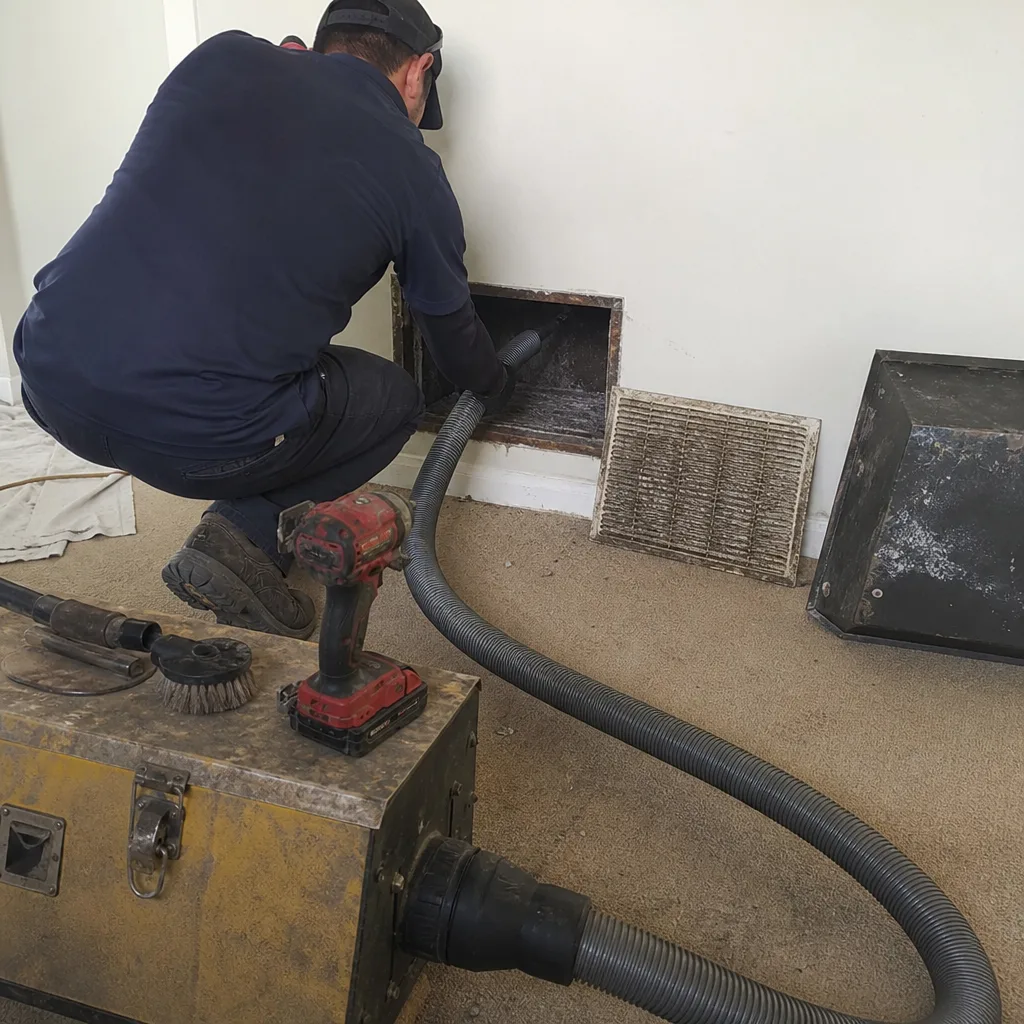 Before
 After
 Before
 After
 Before
 After
When to Call a Professional
If you have identified two or more of the warning signs in this guide, or if you completed renovation work with the HVAC system running, a professional inspection is the next step. The inspection should include a look at the return and supply sides, the filter condition, and the visible ductwork in attics or crawlspaces. If the ducts have never been cleaned since the home was built, and the home is more than five years old, assume some level of contamination is present. In Vermont Vista, homes built before current efficiency standards often have duct systems that have never been opened. Rivermark Air Duct Cleaning offers free estimates in Vermont Vista. Call (833) 620-6973. We answer 24/7. Fast dispatch from 7am to 7pm, Sunday through Friday.
Frequently Asked Questions
Most homes in Vermont Vista benefit from a professional air duct cleaning every three to five years, with more frequent cleaning for homes with pets, recent renovation work, allergy sufferers, or smokers. The timeline depends on how quickly debris accumulates, which your filter loading pattern will tell you. If a new filter loads heavily within two to three weeks, the ducts are feeding that debris load and cleaning is overdue.
Air duct cleaning addresses the supply and return ducts connected to your HVAC system, removing dust, debris, and contaminants that recirculate through the living space. Dryer vent cleaning addresses the separate exhaust line from your clothes dryer to the exterior, removing lint that creates a fire hazard. They are different systems, different tools, and different purposes. Rivermark Air Duct Cleaning treats dryer vent cleaning as a dedicated fire-safety service, not an add-on to a standard duct cleaning.
Dirty air ducts can contribute to poor indoor air quality by recirculating accumulated dust, pollen, pet dander, and other particulate matter through the home. For people with allergies or asthma, this recirculating load can trigger or worsen symptoms, especially in rooms served by contaminated supply ducts. Cleaning removes the source of that particulate. Filtration improvements from Honeywell or Aprilaire can then help maintain cleaner air after cleaning is complete.
Signs that point to duct repair include airflow that stays weak in specific rooms after cleaning, visible damage to exposed duct sections, hot or cold spots on walls near duct runs, and dust returning quickly to a room served by a recently cleaned duct. A duct with a disconnected joint or crushed section cannot be fixed by cleaning. Rivermark Air Duct Cleaning diagnoses and repairs these structural issues during the same visit, using professional-grade equipment and trained technicians.
Lower duct cleaning quotes typically reflect smaller crews, consumer-grade vacuum equipment, and a per-vent pricing model that encourages speed over thoroughness. Professional duct cleaning with rotary brush and negative-air equipment from Rotobrush and Nikro takes longer and costs more because it removes contamination that lighter equipment leaves behind. The price difference is the difference between a surface clean and a whole-system clean.
If your home was renovated with the HVAC system running and the registers unsealed, assume construction dust entered the duct system. Schedule a professional duct cleaning after the project is complete. The cleaning will remove drywall dust, sawdust, and other construction debris from the duct walls. If airflow issues remain after cleaning, the ducts may have structural damage from the project that requires repair. Call (833) 620-6973 for an estimate. Estimates are free, and the written estimate sets the final price.
The Bottom Line
Duct contamination is progressive. It builds slowly, and the early warning signs are easy to miss because they look like something else: a dusty smell you attribute to an old house, airflow that has always been weak in one room, a filter you replace more often than you remember replacing it. None of these signals is dramatic on its own. Together, they describe a duct system that is holding debris and recirculating it through your Vermont Vista home. The good news is that the fix is straightforward: a professional cleaning with real equipment, repairs where the ductwork is damaged, and an honest look at what is actually in your ducts. That is what we do.
Written by the team at Rivermark Air Duct Cleaning, serving Vermont Vista since 2014.